


Happy Tuesday. This week, we’re sharing:
🚪 Why a successful CPG founder walked away from Whole Foods, Sprouts, and 3,500 retail doors
🌱 Non-UPF is the next big label in CPG… but not without retailers
🤖 90% of grocers are experimenting with AI, CPG deal value jumps 119%, cottage cheese and whey supplies run dry

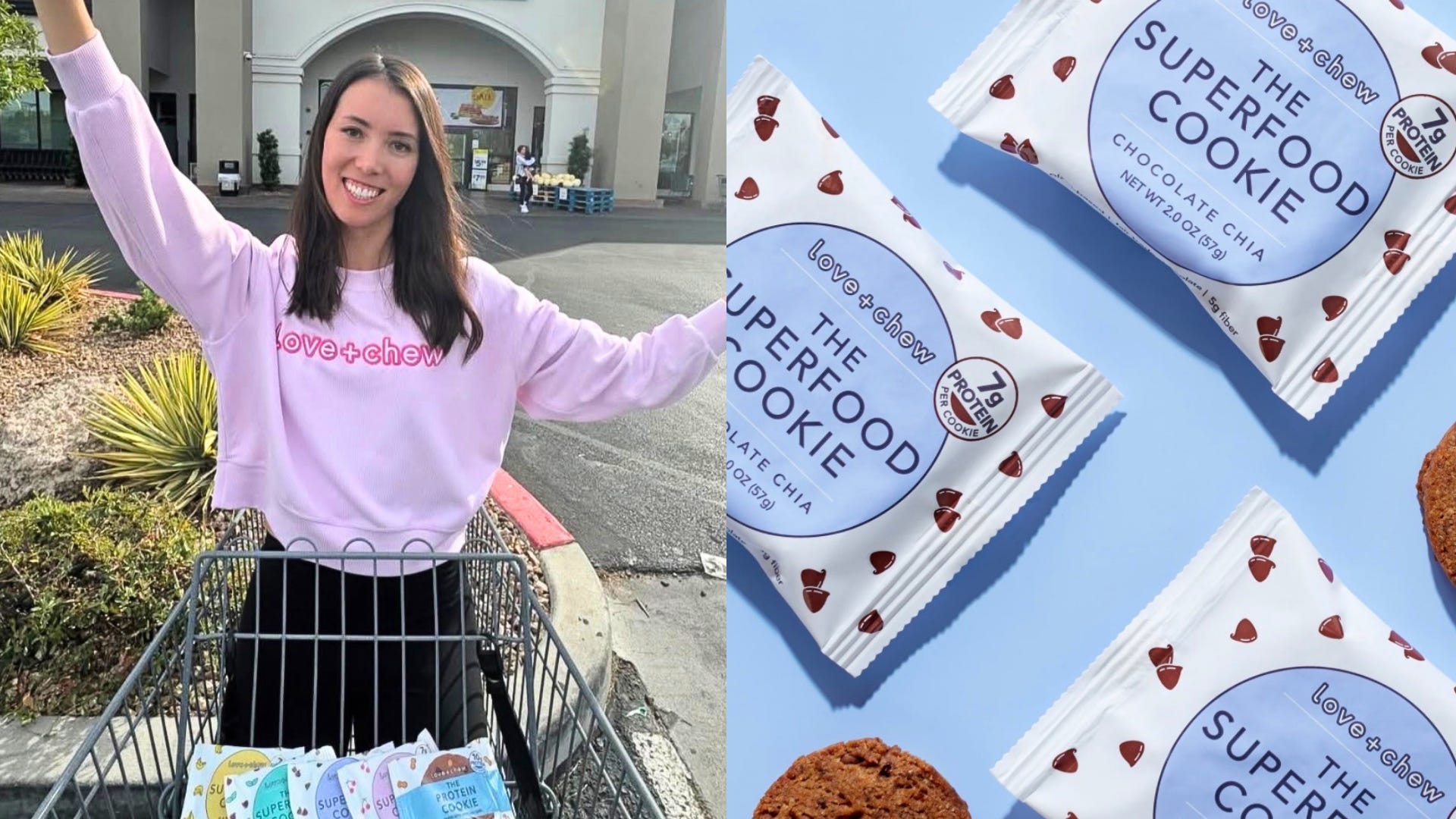
Meet Lauren Chew, founder of Love + Chew, a vegan, gluten-free cookie brand that uses almond flour, chia, and dates.
Lauren was working at a solar startup when she got into vegan baking. It’s a familiar CPG origin story: great recipes shared with friends and family, and everyone telling her she should sell them.
So she did. Door to door, café by café, all around San Francisco. The real turning point came when a friend pitched her cookies into his company’s cafeteria. The purchase order that came back was big enough to turn a hobby into a business.
Over the next eight years, Love + Chew scaled to 3,500 grocery doors, including Whole Foods and Sprouts. Six months ago, Lauren walked away from all of them.
“It was a really tough decision,” she says, “because the velocities were solid, but it just financially didn’t make sense for us.” Lauren rebuilt around channels that were profitable. And the business is better now than it ever was on retail shelves.
00:18 - The mind behind Love + Chew
03:14 - Two flavors carry the whole line
06:07 - Pulling out of 3,500 retail doors
10:47 - Customers really like going into store
13:23 - We want to do business with people we like
17:56 - Right product, right packaging, right price
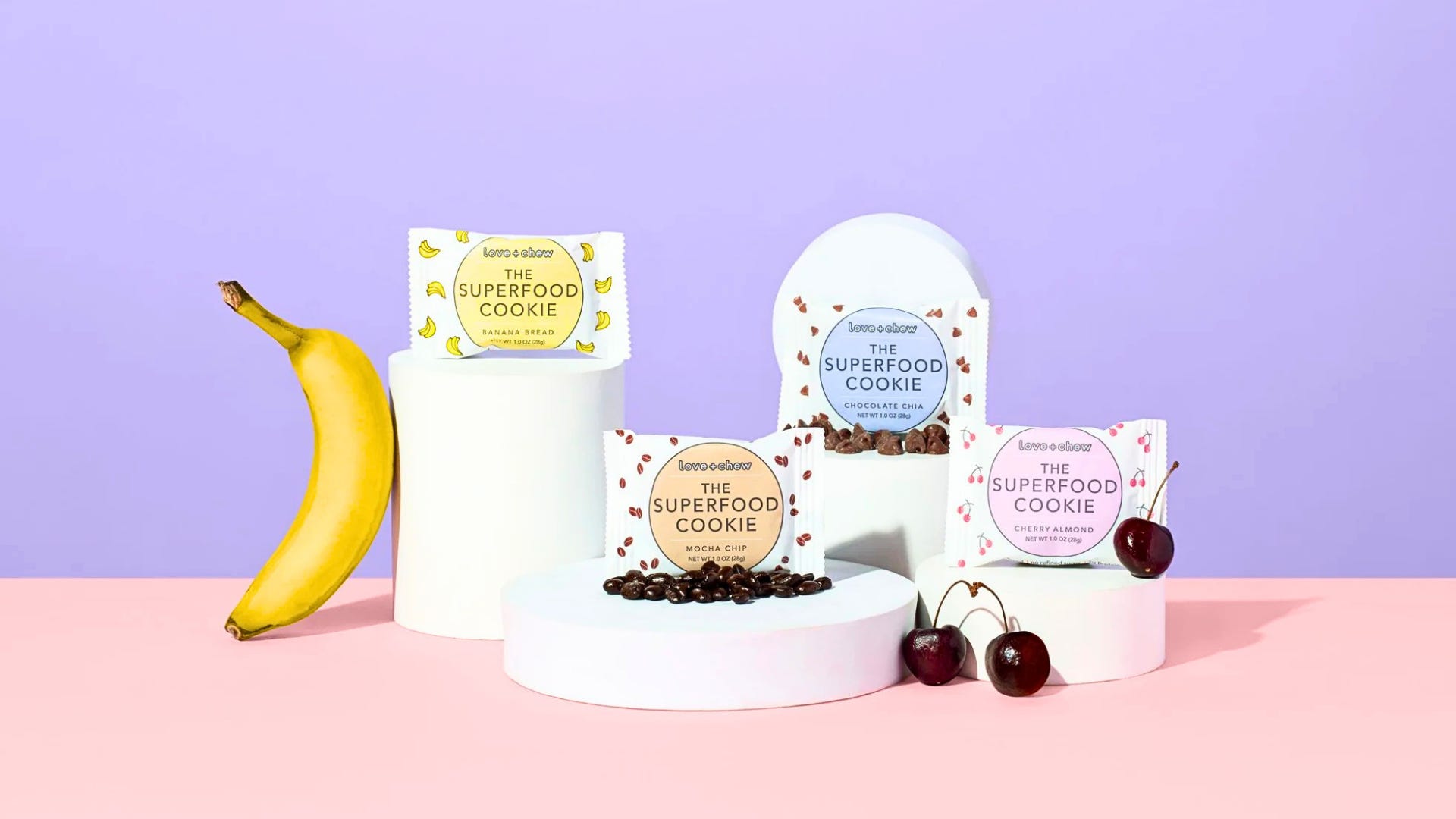
3,500: Retail and grocery doors Lauren walked away from
$75,000: A single distributor chargeback, invalid and unresolved for months
70%: gross margin CPG founders should aim for before entering retail
Shelf space can hide bad economics. Love + Chew had what most founders want: 3,500 retail doors, strong velocities, and national distribution. But retail revenue tells you what sold, not what you made. The real number that matters is contribution margin after trade spend and deductions.
You can leave on your own terms. Most brands don’t pull out of retail; they run out of cash and have to shut down instead. Lauren decided to walk away before that happened. It wasn’t easy, but she kept the channels that were making money (club, Amazon, food service) and cut the rest. What’s left is a healthier business she enjoys running.
Early focus beats early variety. Love + Chew stayed at two flavors for its first two years. Not for lack of ideas, but because Lauren understood her market. “We have one or two flavors that are the clear winners. Everything else kind of does okay.” Founders love launching new SKUs, but profitable founders look at the data before expanding.
Know what each channel costs before you scale it. Retail doesn’t just take margin at the shelf. It takes it in chargebacks, promos, bridge buying, and slow-pay terms. Every part of the supply chain is optimized for its own economics, not yours. Know your expected deductions before signing the next purchase order, not after the chargeback shows up.
Budget for the costs you can’t see yet. Lauren tells founders to target a 70% gross margin into retail. About 20% of that, she says, is usually spent on marketing alone, which is on the conservative side. It’s better to build a cushion from day one rather than explain the lack of cash later.
Market signal → National grocery retail used to mean a brand made it. Now it’s just one channel among many… and not always the best one.
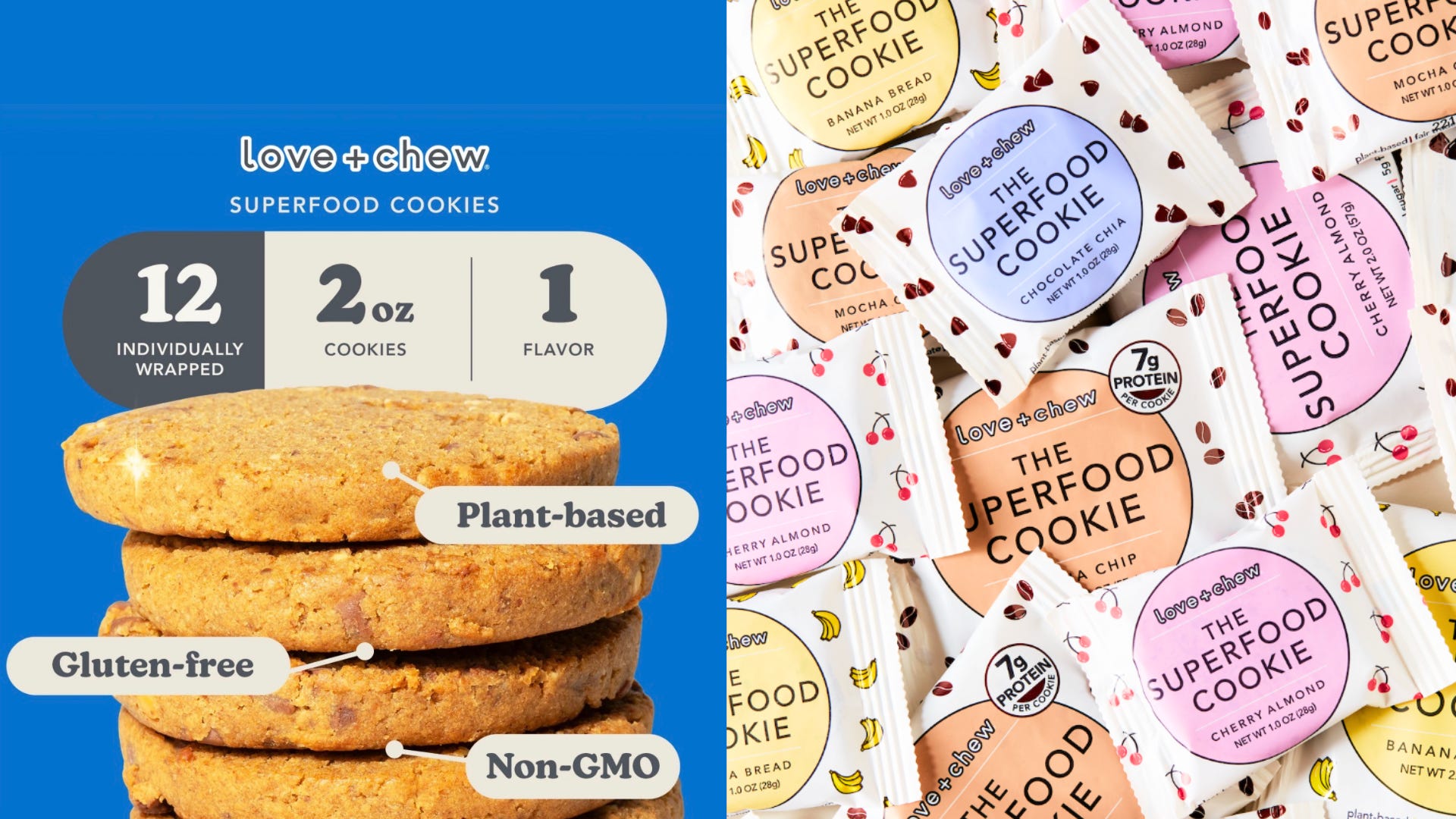
The channel profitability check
Before your next renewal or retail push, run the numbers on every channel:
1. Run a P&L by channel. Not just topline revenue; know exactly where you make money and where you don’t.
2. List all your costs. Chargebacks, slow pay, bridge buying… look at everything eating into your margin.
3. Evaluate the channel, not just the sale. Is it a good fit? Does it pay on time? Is it sustainable long-term?
4. Set a decision point. If the math doesn’t work, give yourself a deadline to act. Don’t wait for the channel to hit a dead end.

The natural CPG industry has spent years talking about ingredients. The next conversation is about processing.
When a new standard like Non-Ultraprocessed Foods (non-UPF) Verification shows up, the instinct is to chase the certification, reformulate, and wait for shoppers to notice.
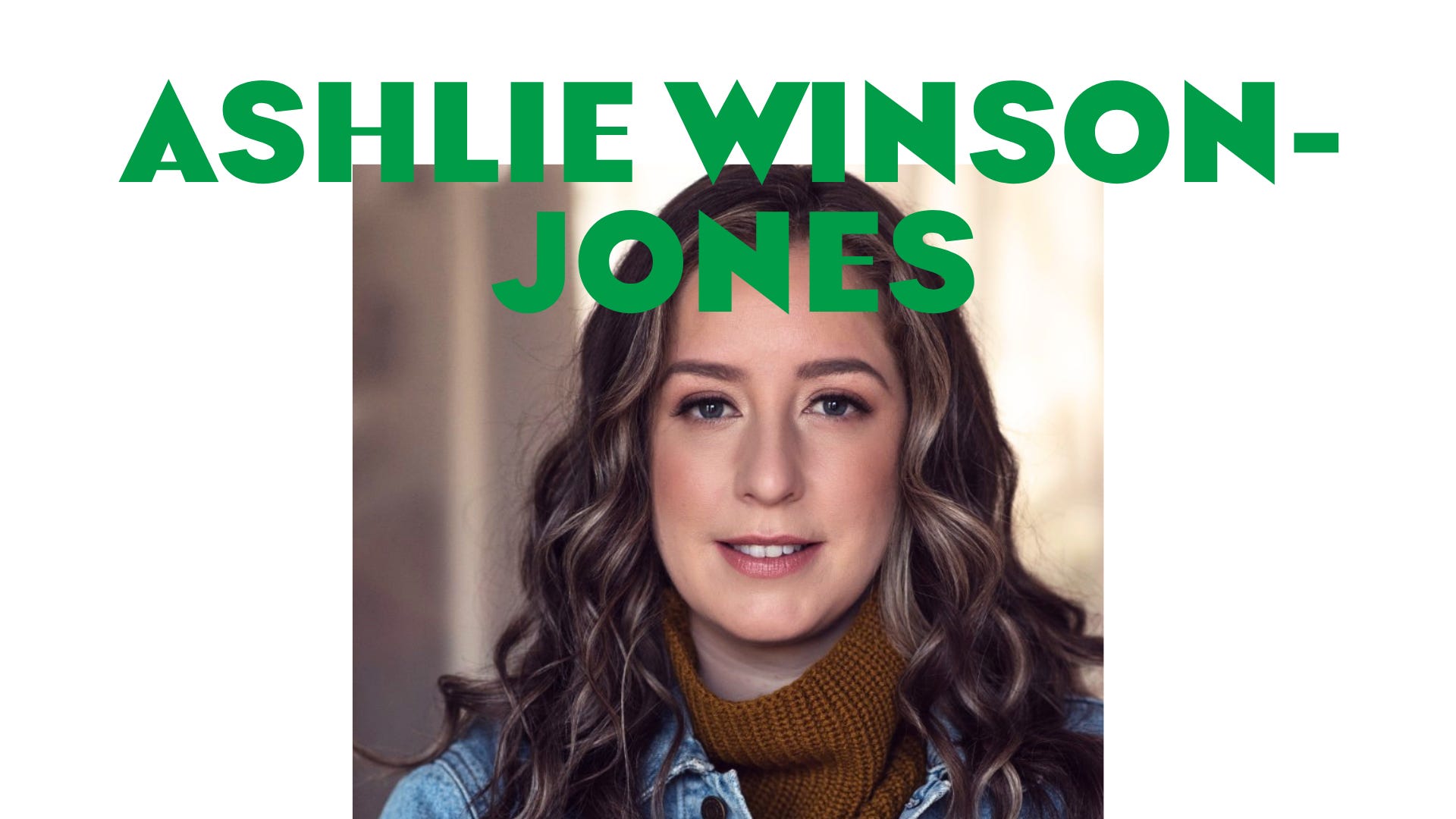
But Ashlie Winson-Jones doesn’t think it plays out that way. As a founding member of Social Nature, the leading shopper activation platform for natural CPG brands, she has a front-row seat to which certifications make an impact.
Her take? Certifications don’t move shoppers on their own. Retailers do. Non-UPF won’t mean a thing to most consumers and brands until it has retailer backing.
The Non-GMO Project launched its new Non-UPF Verification this year. “What does this mean for shoppers? Do shoppers actually understand it? No. I don’t think the industry fully does either. The challenge with non-UPF is the processed foods, like sugar, emulsifiers, seed oils, often make food taste good.”
But certifications don’t matter until there’s a partnership with a major retailer. “In 2018, Expo West was flooded with non-GMO certifications. That was when Whole Foods put a stake in the sand: get organic or non-GMO certified, or don’t get shelf space. The entire industry flipped overnight. At the end of the day, that’s how consumers catch on because certifying bodies don’t have the resources to build mass awareness on their own.”
Retailers can get products on shelf, but now what? “I’ve been at Social Nature for 11 years, and the problem hasn’t changed: once you get on shelf, you have a few months to prove yourself. We take a brand’s exact store list, cross-reference it against where our members shop, and invite them to try the product at those specific locations. Members buy it, upload the receipt, and we reimburse them through a rebate tool. That helps force sales at the exact stores you need to hit velocity targets.”

90% of grocers are experimenting with AI: The robots are here, and they’re filing purchase orders.
Fewer deals, bigger checks: After four years of declining deal volume, CPG deal value jumped 119% YoY in Q1 2026 (although driven by a handful of deals, not a market comeback).
America is a fast food nation: And it starts at school, where most lunches are 20 minutes, leaving kids only 10 minutes to eat, after accounting for walking, lines, and bathroom breaks.
Where has all the cottage cheese gone? And the whey too.
Blurred lines: Part grocery, part restaurant. Cooking at home, eating out. Nobody’s picking a lane.
Mondelez 2026 State of Snacking: A review of frequency, occasions, and motivations (why we’re never not snacking)
Oatly stops explaining itself: Now that oat milk is a staple, the Swedish company shifts its focus from explanation to events and experience.
C-store shoppers want less interaction and more freebies: Honestly, same.
How does food get traded around the world? An interactive tool of global food trade, where it starts, and where it ends up.

June 28-30 (NYC): Summer Fancy Food Show
July 1 (Virtual): Opportunity Knocks - Fireside Chat with Kroger
July 2 (Virtual): Deadline to nominate 2026 Store Brands Editors’ Picks
July 7 (Virtual): The TikTok Shop Launch Playbook
July 9 (NYC): From Noise to Momentum: How Emerging CPG Brands Actually Win in 2026
July 12-15 (Chicago): IFT First
July 19-24 (New Orleans): Tales of the Cocktail 2026
Oct 20-21 (Chicago): Call for Speakers at the Consumer Goods Sales & Marketing Tech Summit


