


Happy Tuesday. This week, we’re sharing:
🦝 A first-time CPG founder who brought a concept to Costco in 3 months
📦 How a packaging designer looks at your product
🥓 Kevin Bacon is now Kevin Bean, retail’s new job description, the New Consumer Report (it’s about alcohol)

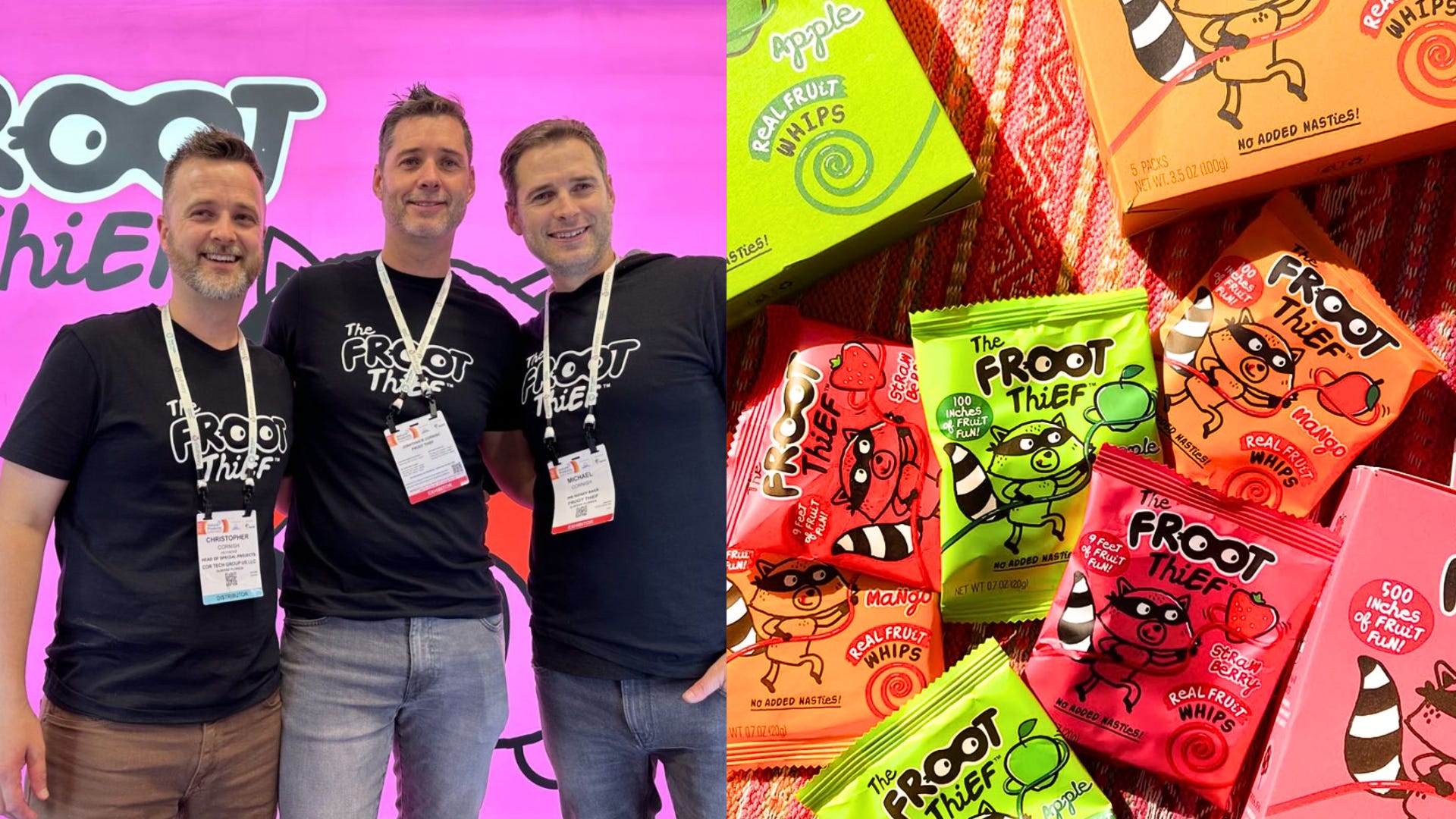
Meet Jonathan Cornish, co-founder and Head Bandit of Froot Thief, a 100% natural fruit whip made from the equivalent of a cup of fruit.
For the last 20 years, Jonathan and his brothers built private-label products for retailers like Target, Costco, Wegmans, and Woolworths. He’s put countless first-to-market ideas on shelves. Froot Thief is the first one with his name on it.
Together with his partner Hayley Gait Golding (who founded and sold Bear Yo-Yo), Jonathan saw a gap in the snack aisle: plenty of “fruit” snacks, not much actual fruit.
But they didn’t make another fruit roll-up. They made fruit spaghetti: 100-inch gummy strands of pure fruit that kids can twirl around their fingers, bunch into a ball, and have fun eating.
Jonathan took it straight to Costco. “The buyer said she’d take every strand if he could make their back-to-school campaign, which was two months away.” Now Froot Thief is nationwide in Costco, as well as Target, Sprouts, and 500+ retail doors, proving there’s still room to play with your food.
00:18 - The minds behind Froot Thief
03:19 - Our very first customer was Costco
06:27 - If you can win over the child, you’ve got a customer for life
09:07 - Our biggest challenge was supply chain
13:35 - Buyers want as much margin as they can get
18:11 - You push in all your chips
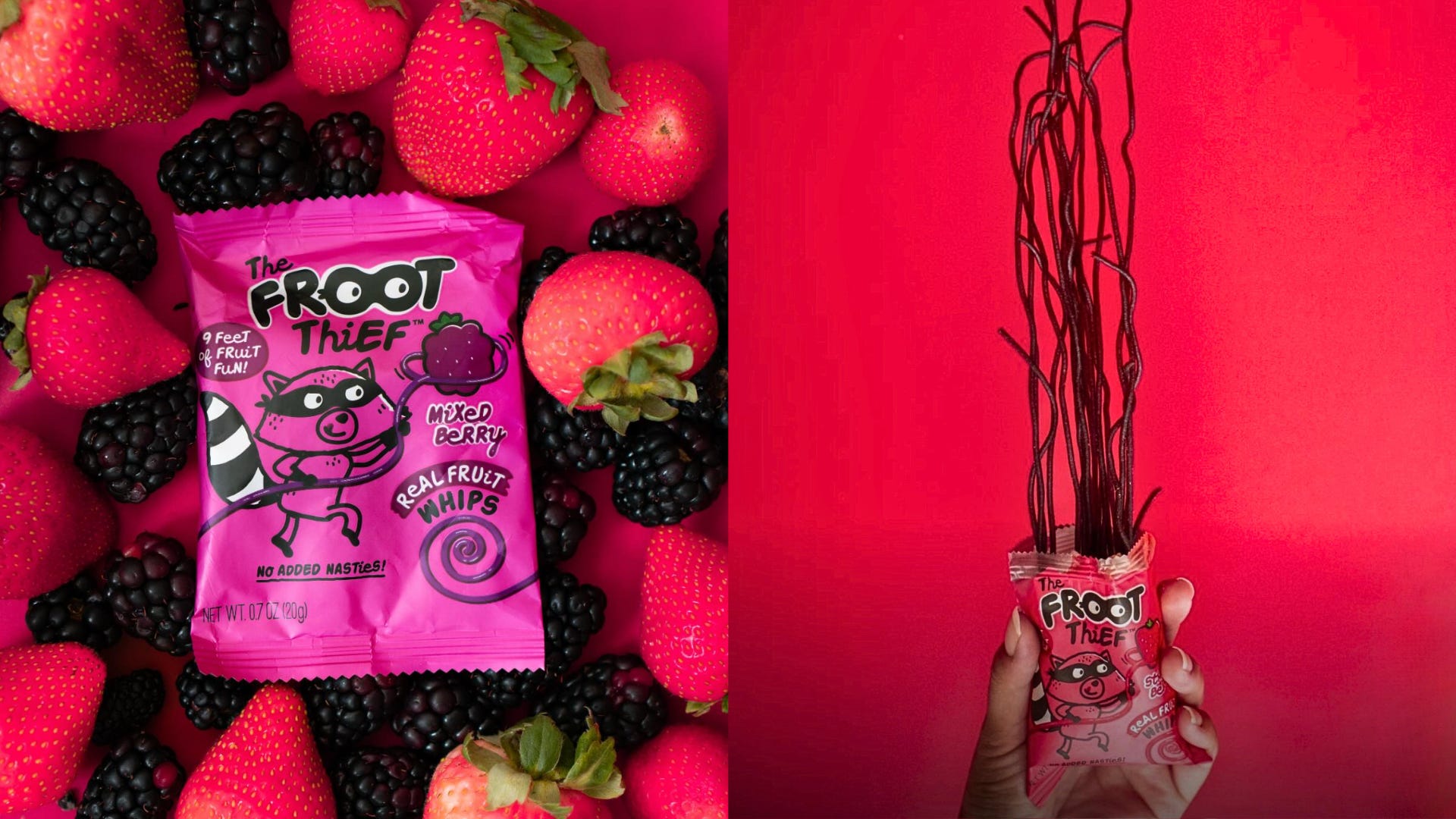
100 inches: Length of fruit whips in every bag
3 months: Time from receiving their first Costco PO to shipment
Tens of millions: Bags shipped to the US, with almost no customer complaints
Don’t bring them another can of baked beans. Buyers don’t want a cheaper or slightly different version of something they already have. They want a product different enough to jump off the shelf. Fruit spaghetti was a new format with no direct competition, which made it an easier “yes” than a better-but-familiar product.
Novelty gets the meeting. Infrastructure gets the PO. Landing Costco as their first retailer sounds like a lucky break. What made it possible was Jonathan’s 20 years of manufacturing, QA, compliance, and supply chain systems built through his private label business. So when Costco said yes, Jonathan knew he could deliver.
Sampling is still the highest-ROI marketing in food. Froot Thief puts a disproportionate amount of budget into demos instead of digital ads. “I’d rather apply the money to demos than to silly banners online,” Jonathan says. Nobody converts off a banner the way they convert off a bite.
Honesty closes more than overpromising does. A lot of sales people go in there and promise the world just to make the sale. “If you can’t meet their volumes or timelines, just say it. A lot of buyers are reasonable people.” After working with thousands of buyers, Jonathan encourages founders to tell buyers the truth instead of starting the relationship on the wrong foot.
Deliver direct whenever you can. U.S. distribution has many layers founders don’t expect: brokers, distributors, deductions, spoilage fees, off-invoice promo allowances. A $100K invoice can easily end up as $25K after all the deductions. One solution is to asks retailers if they’re open to delivering direct. It isn’t always an option, but when retailers allow it, Jonathan sees significant savings.
Market signal → In mature categories, quality is rarely the bottleneck. Attention is. Consumers stop noticing products that look like everything else.
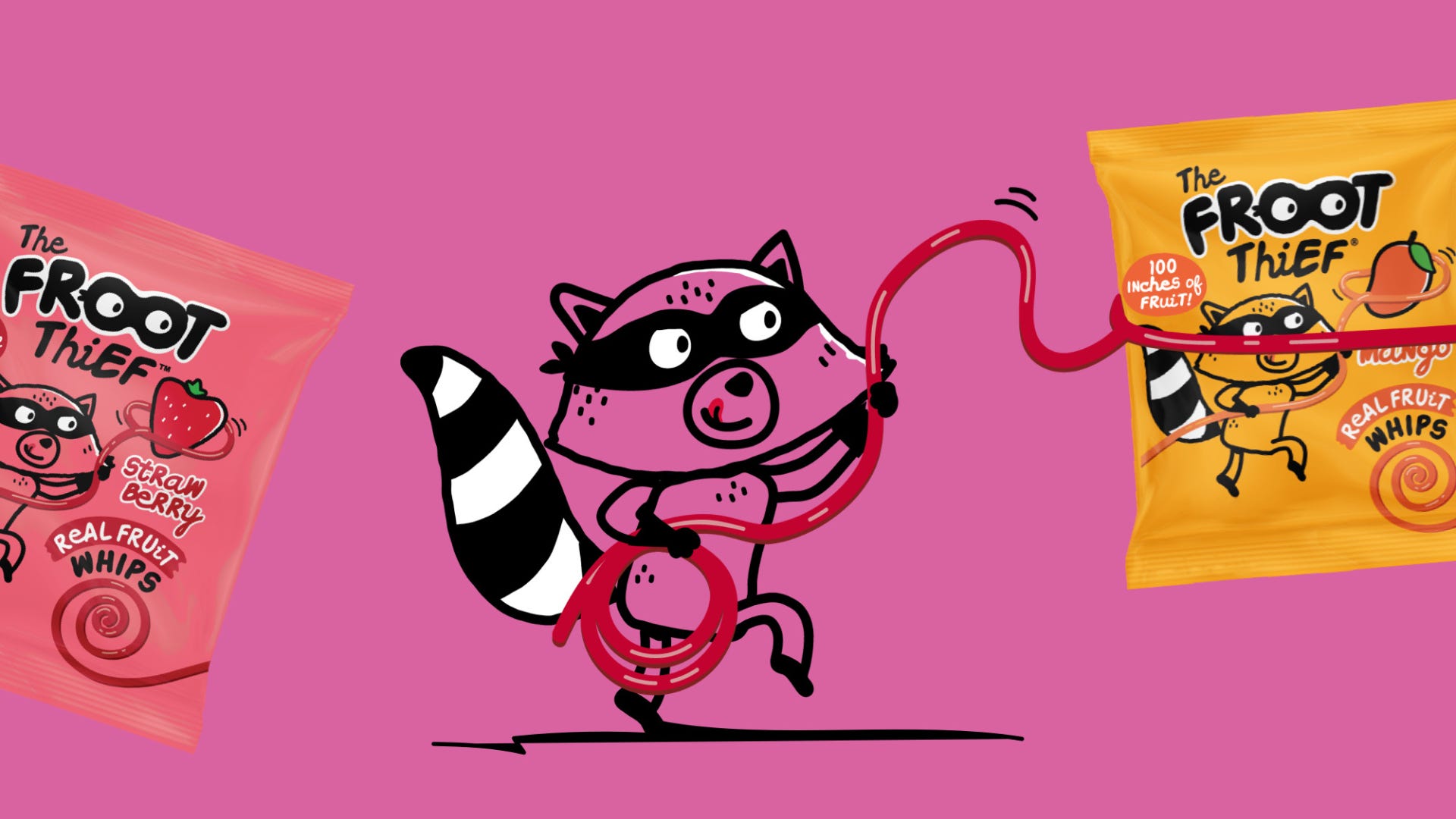
The seen vs. noticed test
If people have to read it, it’s probably an improvement. If they can see it, it’s probably an innovation.
If your difference is an ingredient, expect to explain. If it’s a format, expect to be noticed.
If you’re “better than,” you’re in comparison. If you’re “different from,” you’re in discovery.
If buyers ask about margins first, you’ve made a product. If they ask what it is first, you’ve made something new.

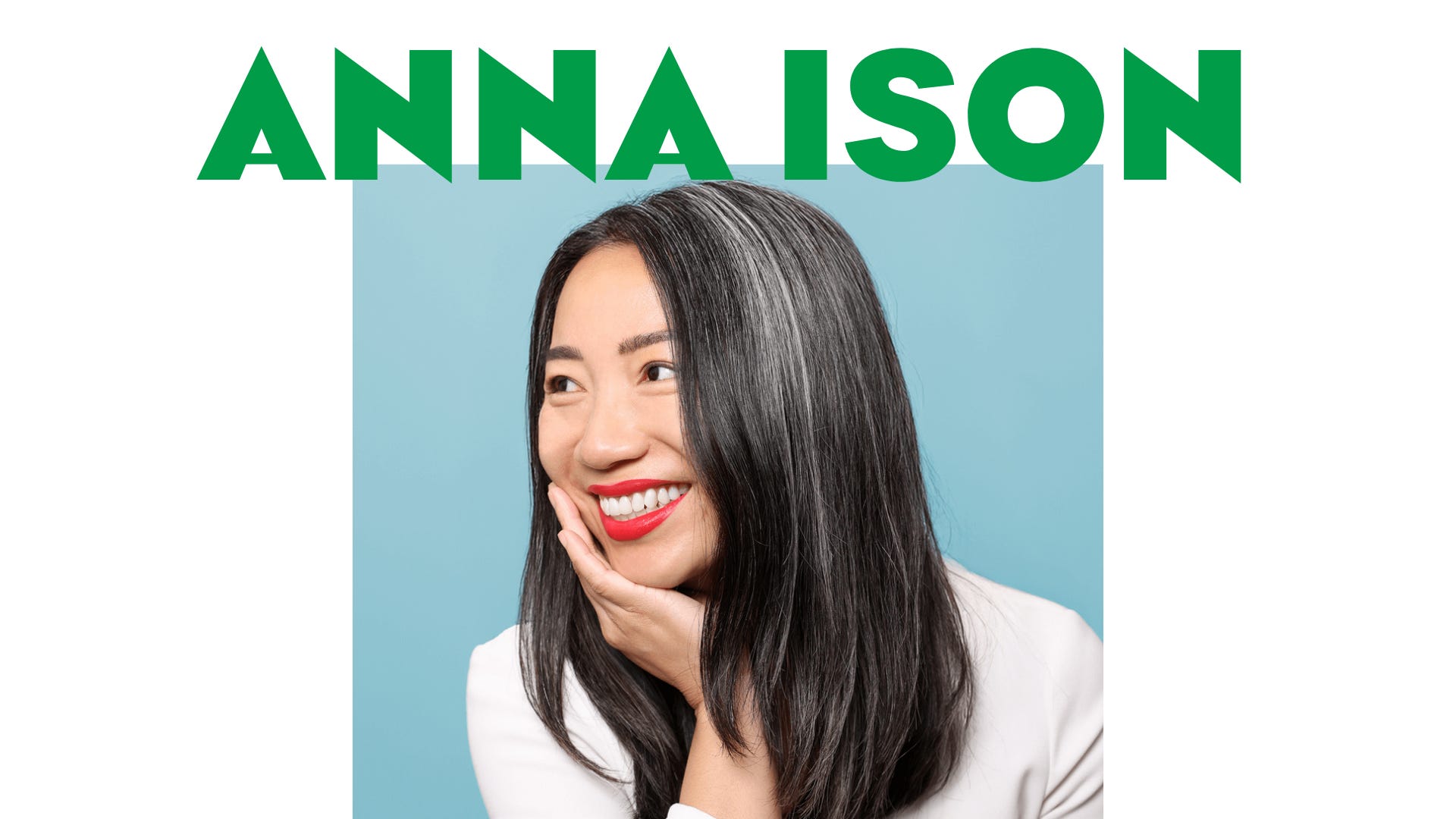
Most founders think packaging is a design problem. It’s usually a business problem.
After 20 years helping CPG brands like Magic Spoon, Good & Gather (Target), and Velveeta, Anna Ison has seen the same mistake over and over: founders using design to solve other problems. Problems with positioning, differentiation, clarity.
We talk about why community comes before capital, the reality of building in New York, and why the pitch that wins is rarely the one you expect.
Packaging has two jobs. People don’t have the time or energy to decode what you are. Make it easy to buy and help them understand quickly. It’s one thing to catch attention. It’s another thing to close the deal. You have to do both.
Your brand is not your product. What founders get wrong: they want their packaging to list every benefit, every functional claim. But there’s no emotional storytelling. Branding isn’t the product. It’s the story, the emotional connection. That’s a different layer of strategy entirely. It’s not just about the look. It’s about knowing your consumer and speaking their language.
How many messages should be on a package? I’d say three at most. Fewer is better. You’re not writing a crossword puzzle. You’re trying to help someone make a decision in seconds. Too many messages and the eye scans everything and lands on nothing. Look at Oreo. One giant logo, maybe a flavor. That’s it. And over time those shapes and colors get embedded. They become visual shortcuts. You flash a Coca-Cola bottle and you just know. That’s what you’re building toward.

Where is consumption going? Multi-sensory, micro-community, customized, and apocalyptic prepping.
Private label is winning pocket-share: 92% of U.S. grocery shoppers currently have store brand products.
Retail’s new job description: Betting on experiential formats that digital channels can’t replicate.
The next snack looks like sports nutrition: Energy gel has +486.8% combined YoY growth?
Kevin Bacon is now Kevin Bean: PSA from Humane World for Animals’ “Beansday,” a weekly campaign encouraging people to swap meat for beans.
New Consumer Report is out! And it’s about alcohol.
Mars to Table Challenge: As NASA eyes Mars, what will astronauts eat?

June 28-30 (NYC): Summer Fancy Food Show
July 2 (Virtual): Deadline to nominate 2026 Store Brands Editors’ Picks
July 7 (Virtual): The TikTok Shop Launch Playbook
July 9 (NYC): From Noise to Momentum: How Emerging CPG Brands Actually Win in 2026
July 12-15 (Chicago): IFT First
July 19-24 (New Orleans): Tales of the Cocktail 2026
Oct 20-21 (Chicago): Call for Speakers at the Consumer Goods Sales & Marketing Tech Summit


