


Happy Tuesday. This week, we’re sharing:
The founder who landed 1,000+ Target doors before she had a business
Five years inside New York CPG (from someone who’s heard every pitch)
The missing ingredient in plant-based food, summer of staying at home, and how minimalist rebrands are really just mobile optimization
If there's something missing from the list, just reply or drop a comment. Thank you!

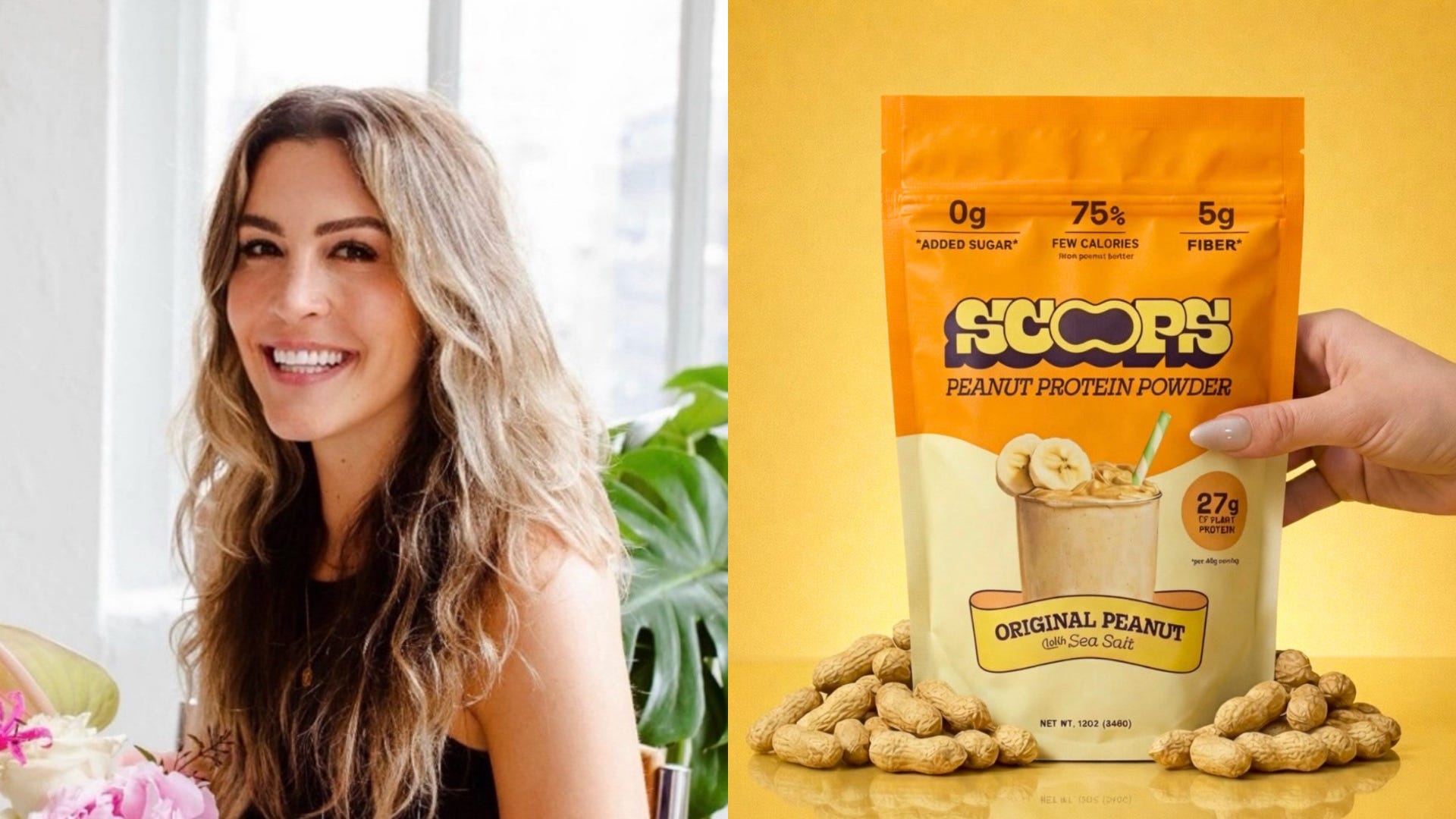
Meet Liz Lane, founder of Scoops, a new high-protein peanut butter powder that just launched across 1,000+ Target doors.
But when Target signed on, Scoops didn’t have a registered business yet. “The business was officially established after the Target call,” Liz says. What it did have was a clear white space, deep supplier relationships, and 12 years of CPG experience behind it.
Liz spent her career as an early operator at industry darlings like Magic Spoon, Huel, and Clevr Blends. She knows what it takes to start and scale a successful brand. This time, she’s building her own.
00:19 - The mind behind Scoops
03:19 - Right after Target confirmed, I started raising
07:06 - More protein, more health focus, more brand
10:06 - It has to be delicious. There’s no point otherwise
12:24 - Airspace closed. Sea closed. Inventory was locked
15:04 - Just stay calm and keep everything moving
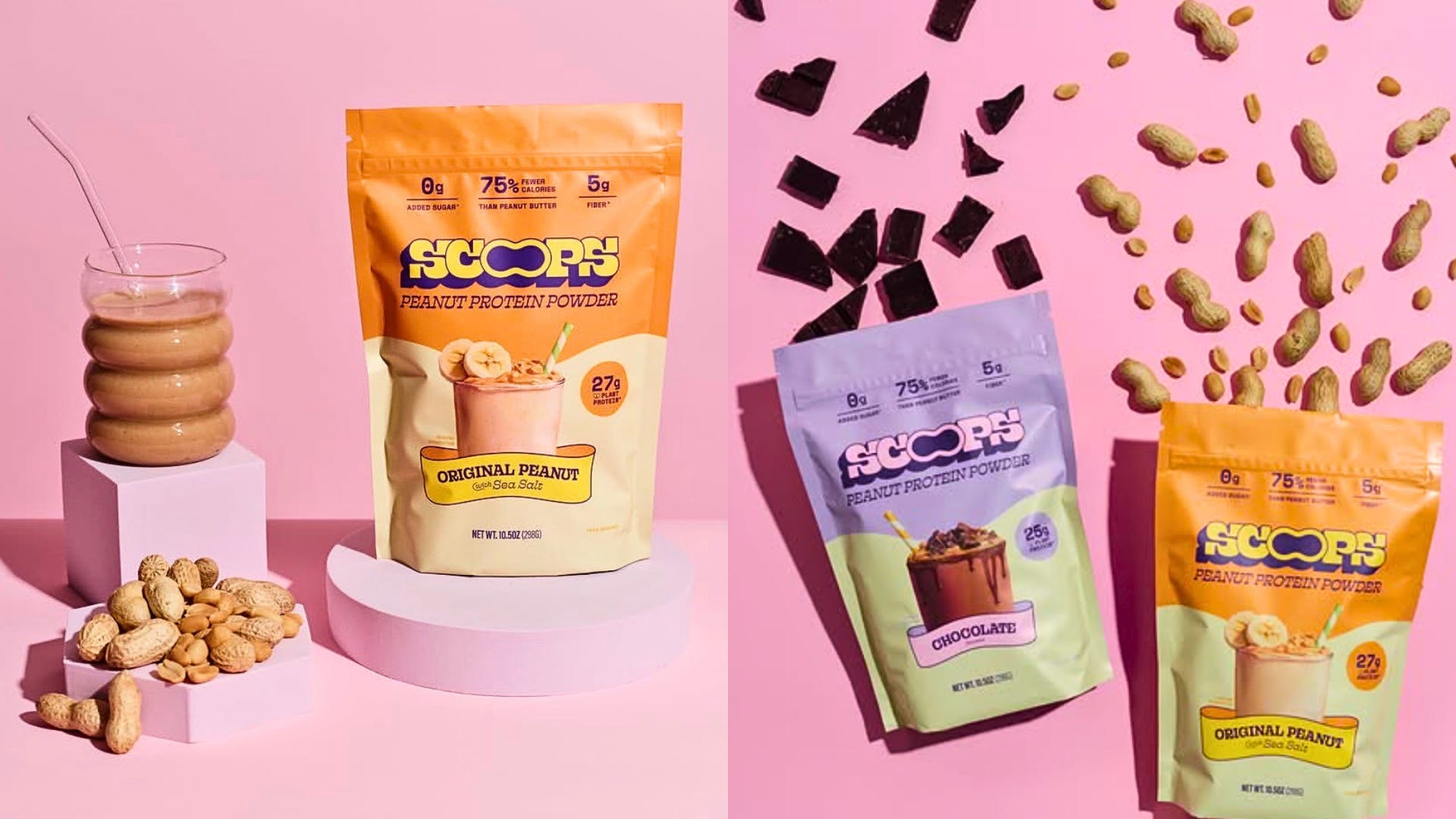
$50K → $500K: Pre-launch budget to fundraise.
1,000+ doors: Awarded by Target, after pitching for only 500
20,000 units: First purchase order, per flavor
When something breaks, relationships are the only thing that holds. Weeks before launch, global conflicts disrupted logistics and grounded Scoops’ first inventory run. Airspace closed. Sea routes closed. What kept it from becoming a full crisis: a group chat. Suppliers sent real-time updates and moved inventory the moment a ceasefire window opened. “Everybody was doing everything they could to get this here on time,” says Liz. “I feel really lucky for that, because that’s not always how it goes.”
Branding gets trial. Taste gets velocity. Velocity keeps you on shelf. That’s the job. A great brand gets someone to pick it up once. The product has to do the rest. “All the founders I’ve worked with really nailed the branding,” she says. “But I do think it comes down to the taste. It’s food. If the taste isn’t there, it’s not going to sustain the sell.”
Don’t fight for shelf space. Own the aisle nobody’s fighting over. Everyone sees protein as the opportunity. Liz saw something more specific. The protein powder aisle: crowded, noisy, expensive to break through. The peanut butter aisle: enormous foot traffic, almost no innovation, one incumbent peanut powder brand that hadn’t changed since anyone could remember. Scoops was still the same high-protein product, but on a shelf where consumers had fewer alternatives and retailers had a reason to pay attention.
The shelf doesn’t reward best practices. It rewards contrast. Every incumbent peanut powder came in a plastic tub, looked functional, and skewed fitness. Scoops went bright, nostalgic, inclusive. And ditched the tub entirely. When Liz brought the packaging direction to Target, they didn’t just okay it. They loved it. Visual separation is worth more than another product that looks like everything already on shelf.
The best investors may already be on your team. Liz’s first round didn’t come from angels or funds. It came from her manufacturer, ingredient suppliers, and operators she’d worked with for years. They committed within a month. And because they have equity, the people responsible for production, pricing, and inventory are incentivized to make all of it work (not just their piece of it). A traditional investor can write a check. A supplier-investor can improve your bottom line.
Market signal → Consumers are done over-optimizing. The next big food brand won’t look like a supplement. It’ll look like food you actually want to eat.
The aisle audit
Before you pick a category, go to the store. (Not the website. The store.) Walk every aisle your product could potentially live in and ask:
Who has the traffic? Look for aisles people are already shopping, but hasn’t had any significant changes in years.
Who’s already there? Count the brands. Count the SKUs. Note who’s been there long enough to go stale.
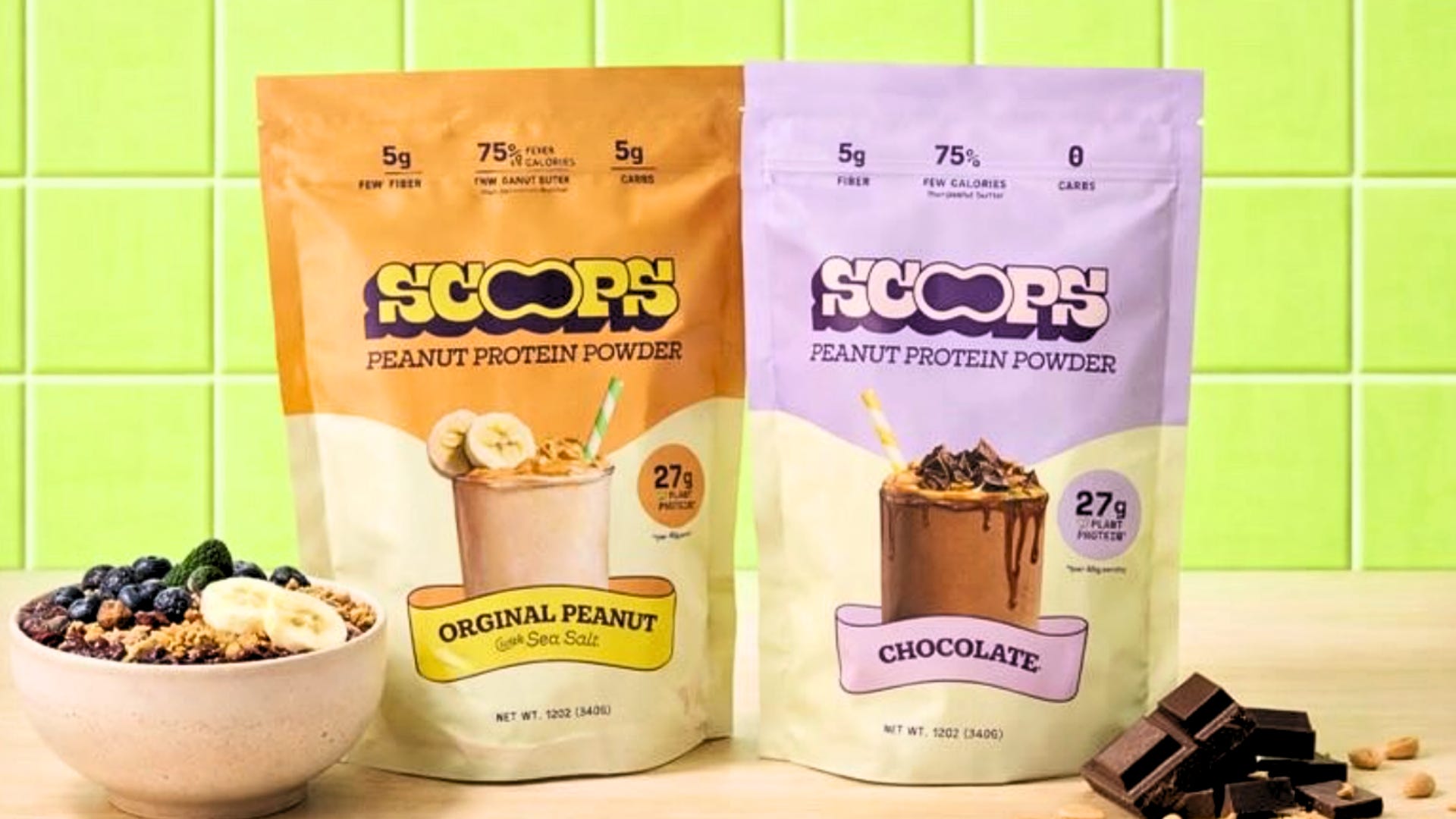
What does everything look like? If it all looks the same (same packaging, same font), it’s time for a change.
Who is it for? If the whole aisle skews toward one type of person, everyone else is underserved.
What would stop someone? What would make a real person pause and pick it up? That’s your brief.

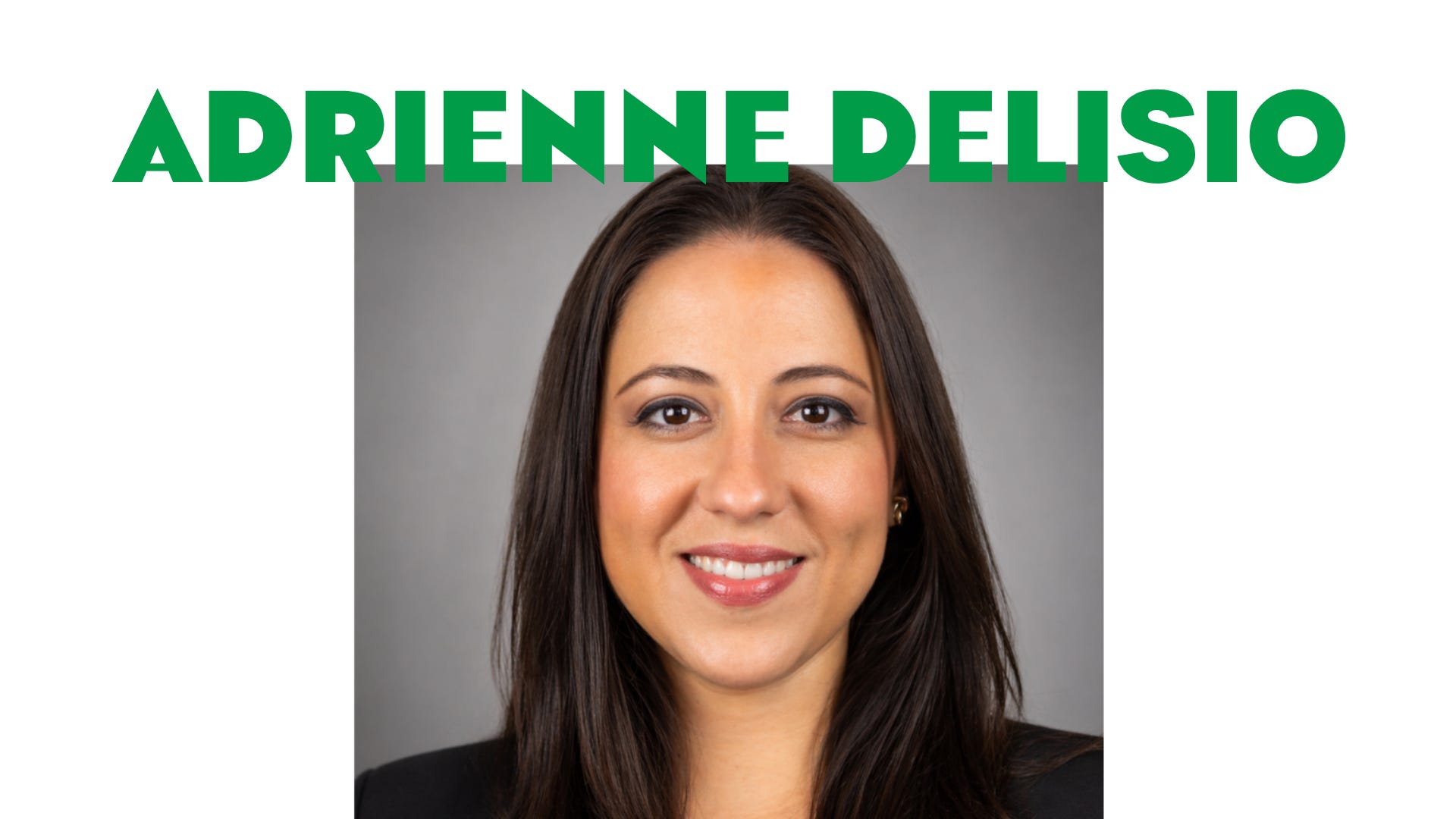
If you’ve built a food or beverage brand in New York, there’s a decent chance Adrienne DeLisio knows your story.
The Executive Director of Naturally New York spends her days between the founders trying to make it and the buyers deciding whether they will. Five years of that adds up.
We talk about why community comes before capital, the reality of building in New York, and why the pitch that wins is rarely the one you expect.
Show up, even before you have anything to show. What really differentiates the ones that make it versus the ones that don’t is making an effort to network within the community, building a strong group of advisors, and learning from their peers. If you’re not showing up, how are you really going to grow your network and build meaningful connections that could lead to something even greater?
Own your backyard before you go anywhere else. New York in general is just a really tough market. But it’s very important for any brand to really establish your presence and build a solid consumer base. I’ve heard from many investors and retailers: if a brand is not already owning their backyard, they shouldn’t think about expanding into other markets. Because it’s going to be a common question from folks in other markets. And honestly, it’s New York or nowhere.
The pitch that wins is the one nobody forgets. Certain pitches just stick out, mainly because of the opening line. When Keya Wingfield of Keya's Snacks submitted her pitch video to Fairway, the first line was, "I'm an Indian woman who fell in love with an American who hates Indian food." The judges were only supposed to award one winner, but they were so impressed they gave her a runner-up prize too. Damiano Messineo from Loopini took out a protein shake, a bar, all these things, and said you need to consume all of these… or just eat a Loopini pizza. Lori Gitomer of Whipnotic did whipped cream shots down the Whole Foods buyer pitch panel. Did it help them win? Possibly. But at the end of the day it was just a great pitch. Memorable, fun, something you don’t forget.

The missing ingredient in plant-based food: As they’re starting to achieve taste parity with meat and dairy products, what they need is a story.
The summer of staying at home: Spend is moving away from convenience and discretionary categories and toward staples and at-home consumption.
Does healthy = less convenient? Consumers look for snacks and breakfasts that require five minutes or less to prepare, and lunch and dinner in under 30 minutes.
The SPOONS to your cereals: WK Kellogg adds an on-pack nutrition guide to its cereal boxes. That’s simple ingredients (S), protein (P), outstanding fiber (O), other nutritious foods (O), nutrients you need (N), and single-digit sugars (S).
“Minimalist” rebrands are really just mobile optimization: Packages used to compete from 3 feet away. Now they compete from 6 inches away on a screen.
Mo’ meat, mo’ problems: As new Trump rules remove meat production limits, it adds risk to workers.
Are we still all eating tinned fish? The Pinterest Summer 2026 Trend report has spoken
June 2 (Virtual): Get In. Sell Through. Stay On Shelf. The Two Yeses of Retail.
June 2 (NY): Ugly Talks: Can Your Brand Thrive in Agentic Commerce?
June 3 (NY and Virtual): Clicks, Bricks & Everything In-Between
June 3 (Virtual): What to Build Next: A Founder’s Playbook for Smarter Innovation Decisions
June 4 (Waltham, MA): Startup CPG Boston Founder Social
June 5 (Virtual Deadline Submission): For Target’s Food & Beverage Brand Discovery Day on July 16
June 7-9 (Orlando): IDDBA 2026
June 10 (Virtual): Live Packaging Audit: How to Make Your Brand Stand Out on Shelf
June 10-11 (Chicago): 2026 KeHE Holiday Show
June 12 (TX): Pre-Match Dinner
June 28-30 (NYC): Summer Fancy Food Show
July 12-15 (Chicago): IFT First


