


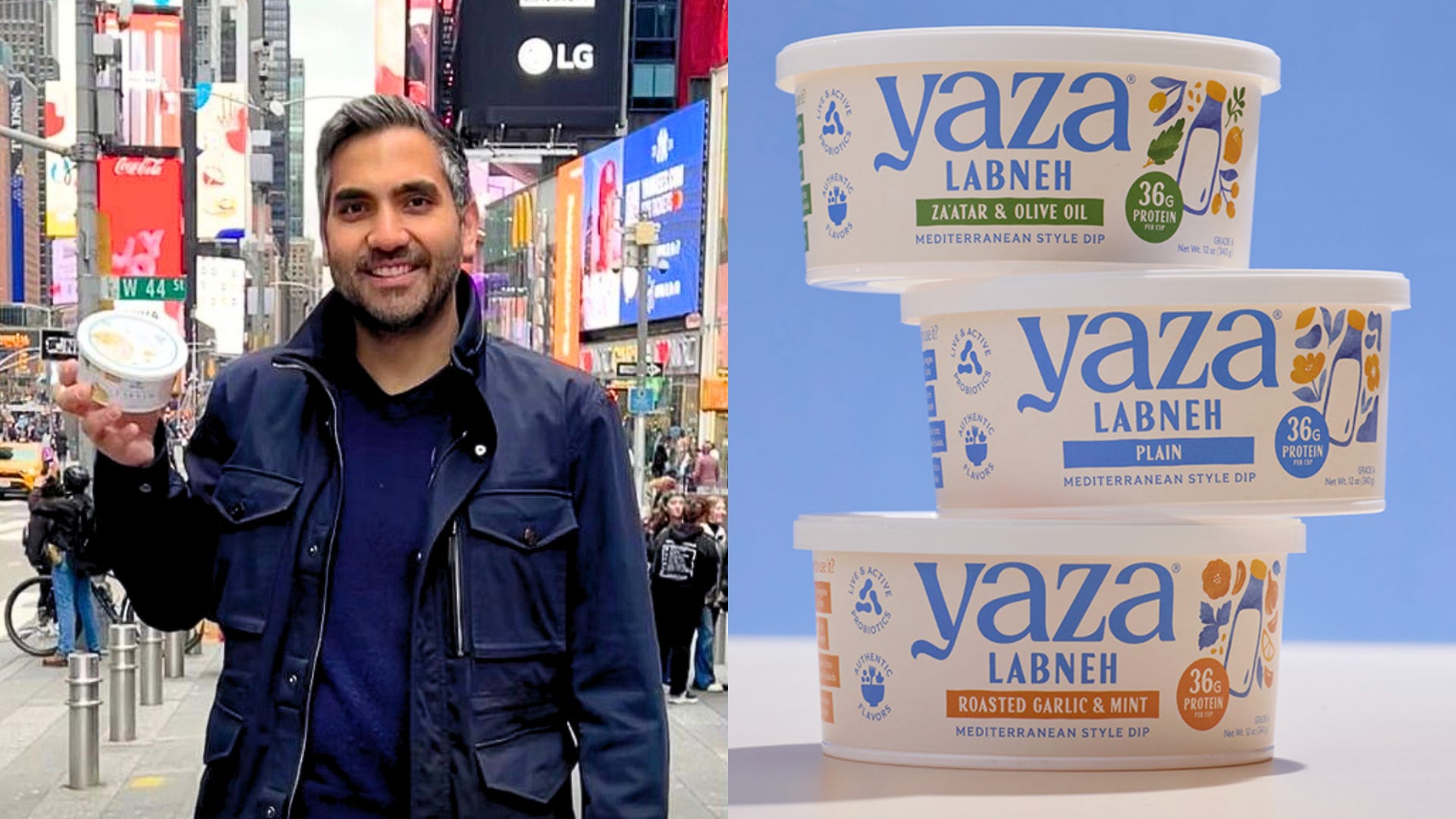
Karim Khalil grew up eating labneh, a creamy, tangy staple served at every Lebanese meal.
When he moved to the U.S., he couldn’t find labneh that matched the taste of home. So he made it.
First for himself. Then for friends. Now, through Yaza Foods, for nation-wide retailers like Whole Foods and Costco.
00:18 - The mind behind Yaza
02:03 - Super-market research
04:06 - Labneh, everything, all at once
05:49 - Blending of cultures
07:41 - The big shows
09:32 - Go team
11:22 - A matter of taste
13:26 - In the process
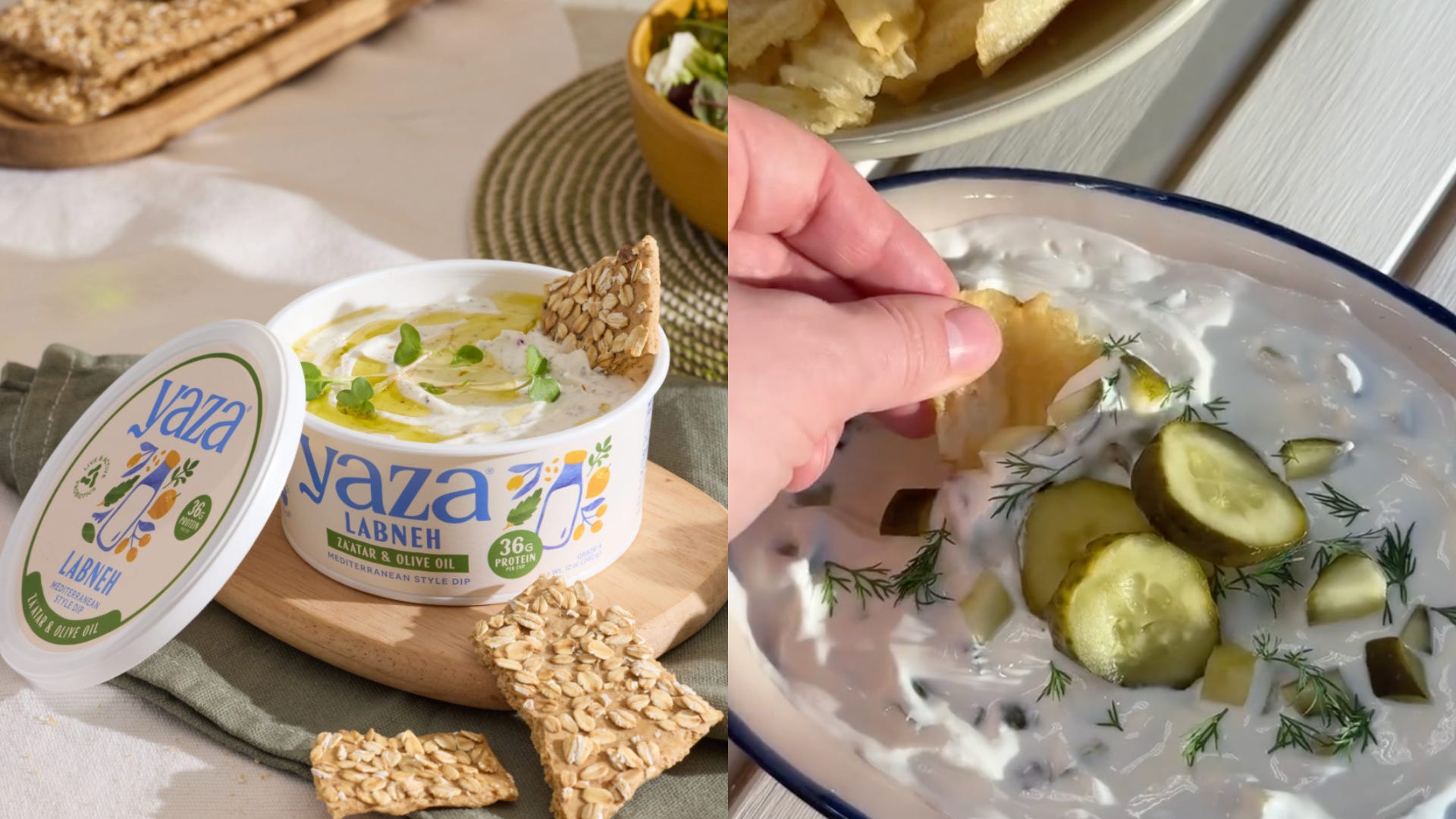
Don’t assume U.S. consumers will “get it.” Before launching, Karim ran dozens of taste tests. He gave people labneh, pita, veggies, utensils — with no instructions. “How are people going to use it? A dip? A spread?” he says. “Everyone liked it. But no one knew what to do with it.” That insight led to introducing flavored labneh (including their best-seller za’atar with olive oil), making it easier for consumers to understand.
If co-packers say no, keep calling. Karim reached out to more than 1,000 co-packers. Most of them had high minimums, no interest in startups, and had never heard of labneh. “We were ready to give up,” he says. “Then one called back. A client had just left, and they were open to trying it out for us.”
Traditional recipes might not pass FDA regulations. In Lebanon, labneh is strained in cheesecloth and hung from a tree. Not an option in the U.S. Instead of compromising with powders or thickeners, Karim partnered with a food scientist to rebuild the recipe using the authentic recipe of pasteurized cultured milk and salt.
Trade shows are won before they begin. Karim doesn’t rely on foot traffic at trade shows. “The work starts the day you register,” he says. Book 3-5 meetings in advance, study each store’s product selection, and go in with a plan. Don’t just ask, ‘Do you like my product?’ Show them how your product can improve their selection and give consumers more options.
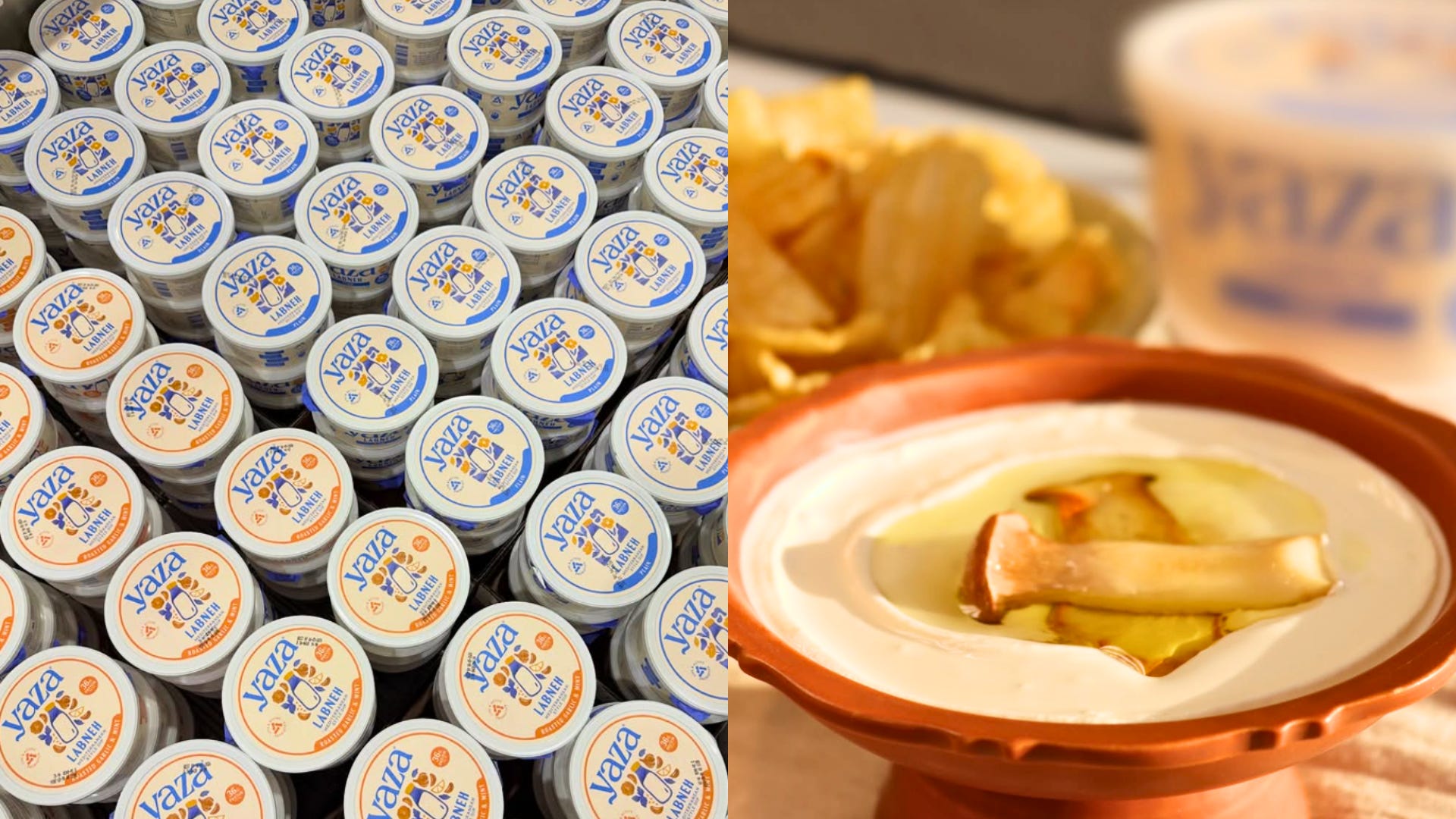
Placement matters as much as the product. Labneh could’ve gone next to the yogurt, in the cheese case, or even the deli — all technically accurate, but wrong for the shopper. “If you put it by yogurt, it confuses people. They see it as a dip,” he says. “Our consumer is the hummus consumer, the tzatziki consumer. Wherever hummus lives, we want Yaza to live.”
Market signal → International flavors are booming in U.S. retail, but success isn’t just importing a product. It’s translating tradition into everyday American shopping behavior.
Find the familiar in the foreign
You know your product’s great. But if shoppers don’t understand what it is or how it fits into their lives, they won’t buy it. These questions help you go from unfamiliar to unforgettable:
What product are you replacing in their pantry?
What need does it meet: taste, health, convenience, culture?
Can you describe it without using regional or niche terms?
Does it fit a certain lifestyle or preference (e.g. high protein, gut health, global snacking)?
Is it tied to a trend you can ride (e.g. international flavors, better-for-you swaps)?


