


Here’s the thing nobody tells you about getting that first million-dollar Costco PO: it’s not a funding problem, it’s a timing problem.
You need $500K to pay your supplier now. Costco pays you in 120 days.
Banks won’t lend. Equity is slow and dilutive. Invoice factoring and PO financing have been around for thousands of years. And 20-30% of brands at major retailers use it.
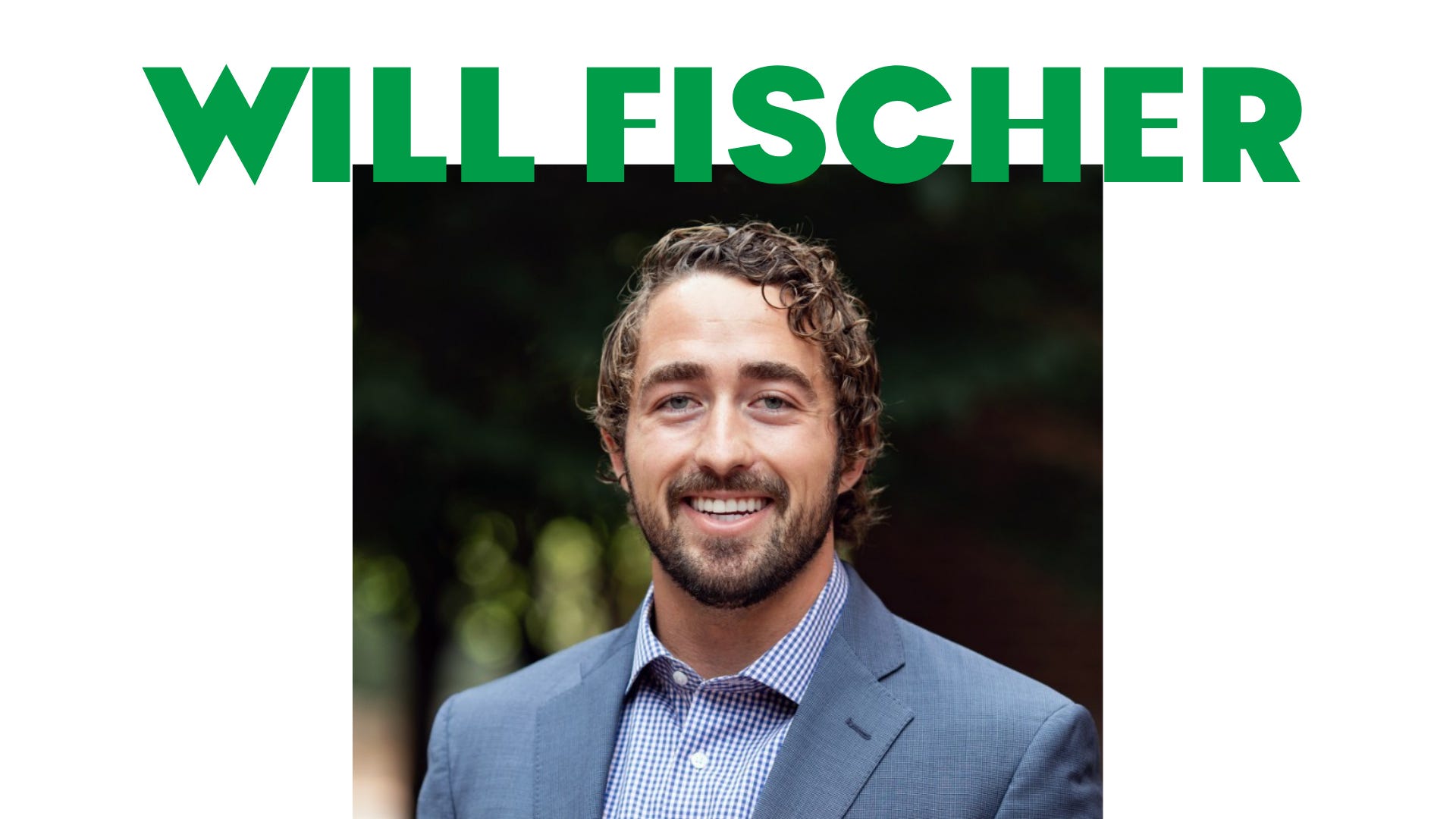
Will Fischer is the co-founder of Spring Cash, a financing platform that helps CPG brands stuck between supplier invoices and retailer payment cycles. He’s also an angel investor in early-stage CPG companies, including Laurel’s, Ripi, and Whims. Here’s what he thinks about financing growth without giving away your company.
00:14 - My whole career I’ve been in lending
01:26 - Here’s a million dollar PO. How do I fund it?
06:54 - Why not cut out the middle step nobody likes
04:31 - We call it the ‘get money now button’
08:27 - It has to have a quantity attached to it
10:20 - We’ve funded 140 brands with $38 million deployed
11:38 - It’s painful, but that sales for you
Text answers below have been edited for length and clarity. Full answers are in video. (We highly recommend watching!)
So Costco just handed a new brand a million-dollar PO. Now what?
You might be doing $1 million, $5 million, $10 million a year. And then, Costco and Target show up and say, “Hey, here’s a million-dollar PO.” That’s literally half a year’s revenue. How do you fund it? Do you go raise equity? But raising equity is hard. It’s dilutive.
Do you go to one of these fintech lenders or a bank? They might say, “Oh you did a million last year. Here’s $150K, $200K.” But the inventory for that PO is half a million dollars, right? So it’s not really solving the pain problem.
We take something old-school, which is factoring. As long as the PO has a quantity and a SKU, we pay your supplier and fund the inventory directly. Then we wait four to five months to get repaid by Costco or Target. And it’s a great deal for the brand because you don’t have to put any money out the door for the inventory.
Why doesn’t traditional debt work for CPG brands?
It’s two lump sums payments, right? You pay for inventory, customs, and shipping upfront. Then you wait for the retailer to pay you.
Traditional lenders ask for daily or weekly repayments. But you’re waiting 60-120 days for Costco to pay. So they’re asking for cash back that you haven’t even earned yet.
We match your terms. We get paid 4-6 months later by the retailer. And because we’re built fintech-first and automated, it’s same day or next day approval. No origination fees, no minimums, just a monthly fee on what we fund.
Factoring has been around for ages. Costco, Target, and Walmart all have dedicated factor portals because so many brands use it. At Nordstrom, 20-30% of their 1,000+ vendors use factoring.
What brands actually qualify for invoice or PO financing?
We have two buckets: One is the million-dollar-plus revenue. As long as you’re not insolvent and you pass fraud checks, we’ll be able to do the invoice factoring and the PO finance.
Other end of the spectrum, we kind of have a $250K revenue floor. The most important thing we want to see is, whether it’s the PO or buyer awards, it has to actually have a quantity attached to it. It can’t be like an email from Sprouts saying, “Congrats, you’re in the forager program.”
The exact rates or percent of your PO depend on your risk profile. But because we’re getting repaid not by you as the brand, but by Costco, it really opens up the door for who we can work with.
How are brands approaching retail growth differently today than a few years ago?
When I started focusing on CPG in early-2022, rollouts were regional. Now, any time you talk to someone who’s with Target or Kroger, they’re going national.
I personally think that’s a bit of a disservice to the brands because you are setting them up for failure in a way if they can’t perform. They put all this money into inventory at the expense of other opportunities.
Founders who are new to the space are like, “I get in the doors, that’s it.” But it’s not it. There’s trade marketing and the million and a half other things that go into it. And it’s a lot easier to dial that in for a region than the whole country.
Some of the best founders I talked to are very focused nailing their region first, and then going nationwide. That nationwide launch is a one-time opportunity.
Don’t be afraid to put yourself out there. It’s painful, but that sales for you, right? You get a lot of ‘nos,’ but some ‘yeses’ along the way too.


