



By 29, Mehek Khera was taking more pills than someone twice her age.
She was running on coffee, packaged food, and corporate burnout, all while managing an autoimmune disease.
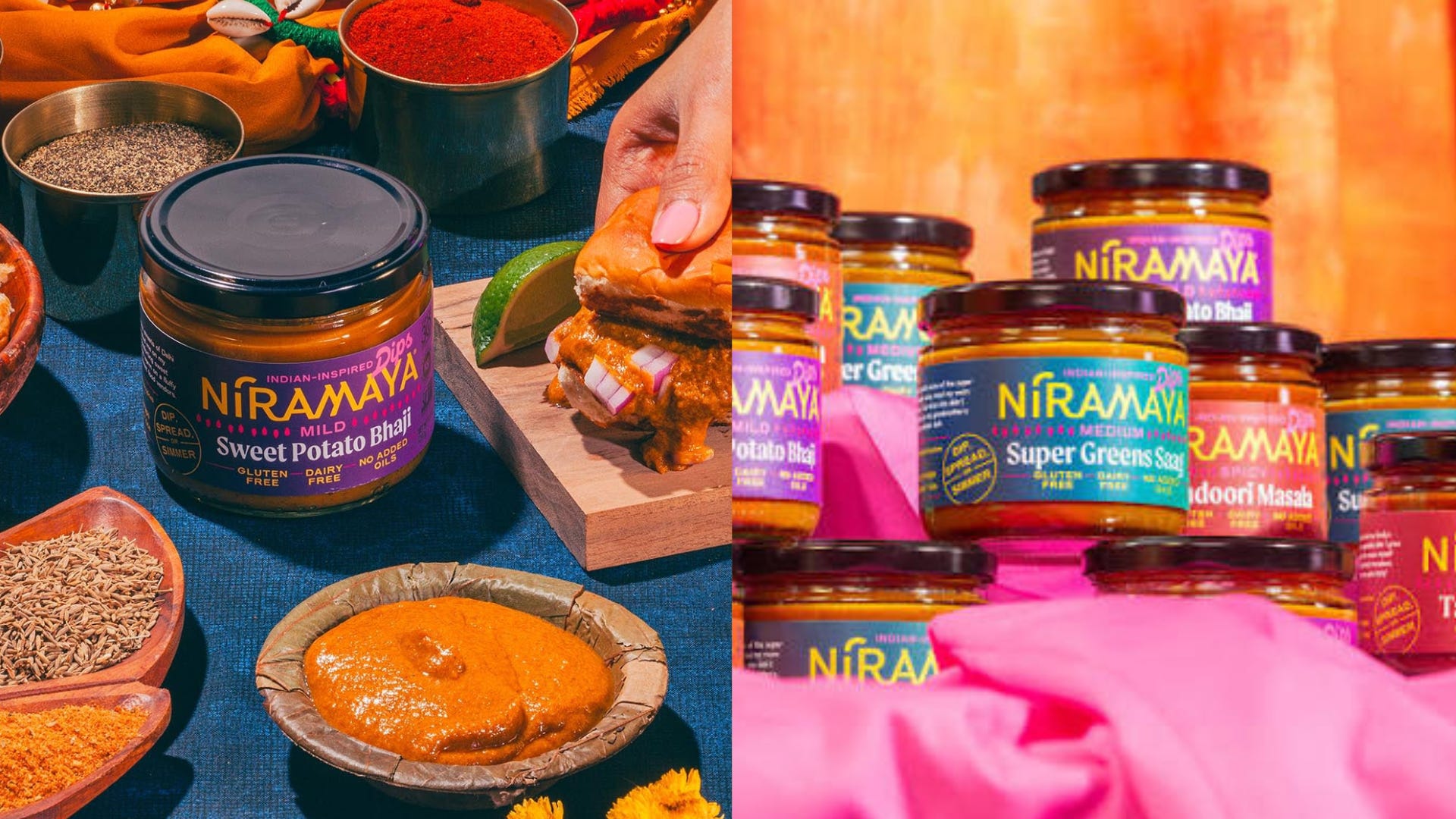
So Mehek took control. She went to nutrition school and began reworking her family’s recipes into easy-to-eat foods made with real ingredients. That became Niramaya Foods: chunky, veggie-packed dips and naan pretzels delivering heritage flavor with modern health.
00:16 - The mind behind Niramaya
02:48 - The un-comfort zone
04:40 - Livin’ that shelf life
07:11 - Feedback on foot
09:15 - The difference in being different
11:30 - Hits home
13:25 - Measuring to scale
16:10 - Build-a-brand
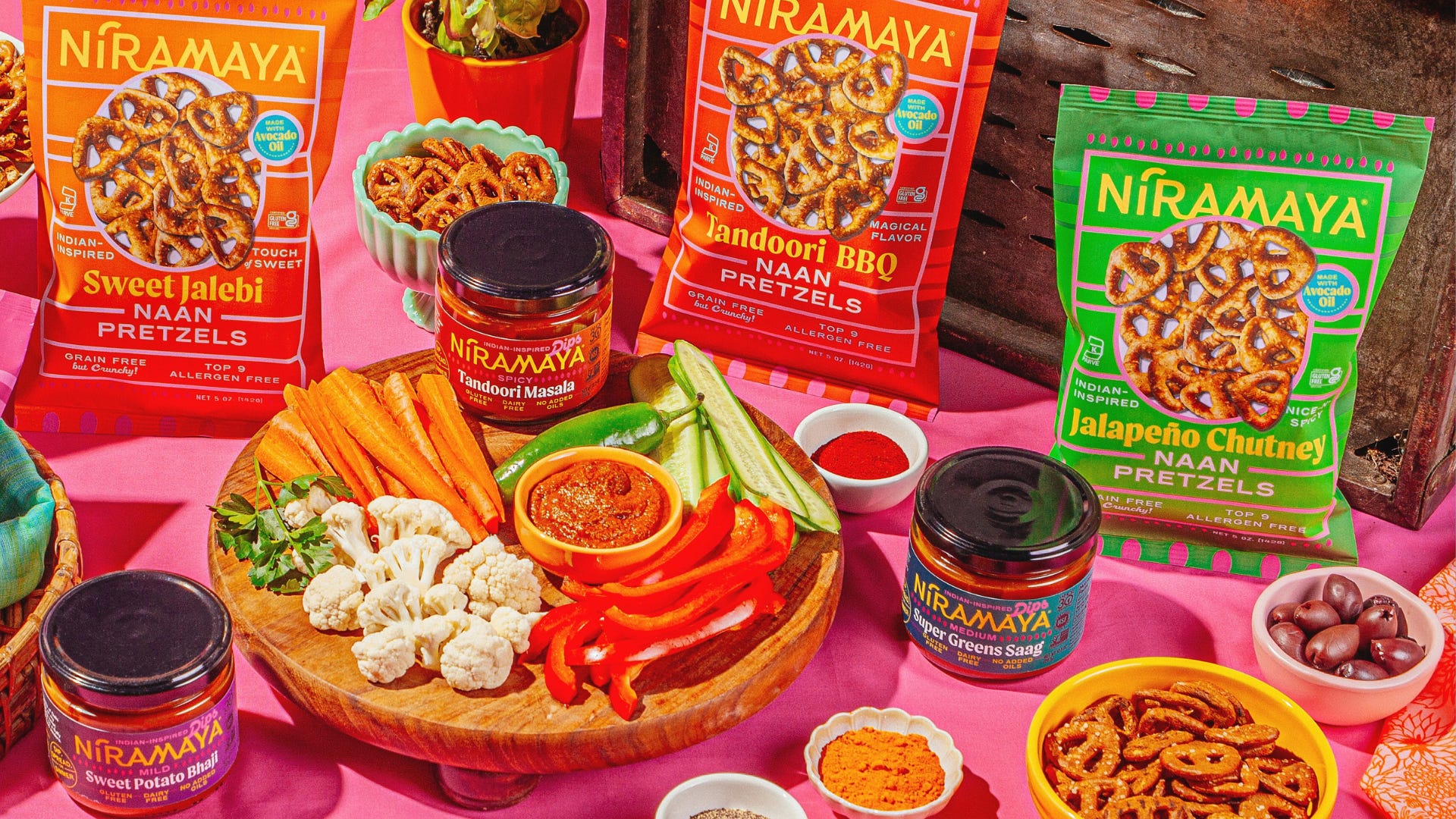
Heritage needs a modern outlook. “I didn’t see branding that spoke to me as a millennial consumer… a lot of it felt stereotypical,” says Mehek. Heritage sells when it looks forward, not back. Build for the shopper who’s buying today, not a nostalgic postcard.
Shelf life is your lifeline. Mehek’s first dips had a two-year shelf life. That gave her room to work on branding, find customers, and scale without watching product (or cash) expire. For founders, shelf stability isn’t just science — it’s survival.
Early buyer interest is a sign, not a finish line. “The first buyer to stop at our Expo East booth was Kroger,” remembers Mehe. “They loved our dips, but we both knew we were too early.” It wasn’t a deal, but it was validation. When a major buyer sees promise, that’s your cue to keep building until the timing lines up.
Get the format right, and the scale follows. “Our pretzels have really changed the trajectory of the company.” The dips got her started, but the naan pretzels put Niramaya in growth mode, with higher velocity and broader appeal.
Capital is best taken in chapters. Mehek self-funded, then used debt for inventory, and is only now considering equity. That sequence kept her in control. Skip straight to equity, and you risk giving up leverage before you know what you’ve built.
Market signal → What was once in the ethnic aisle is now center store, powered by modern shoppers chasing bold flavor and clean labels.
Stay slow with the cash flow
How you fund growth matters as much as how you grow. The sequence sets you up for survival and scale.
Step 1: Self-fund → validate demand, collect feedback, show you can deliver
Step 2: Debt financing (credit lines, SBA loans, revenue-based financing) → fund inventory and MOQs without giving up equity too early
Step 3: Strategic investors (angel, VC, strategic investors) → expand distribution, hire a team, and prepare for larger exits
Step 4: Continue evaluating → raise only when the next stage of growth requires it, and with partners who’ll stick through misses as well as wins


