


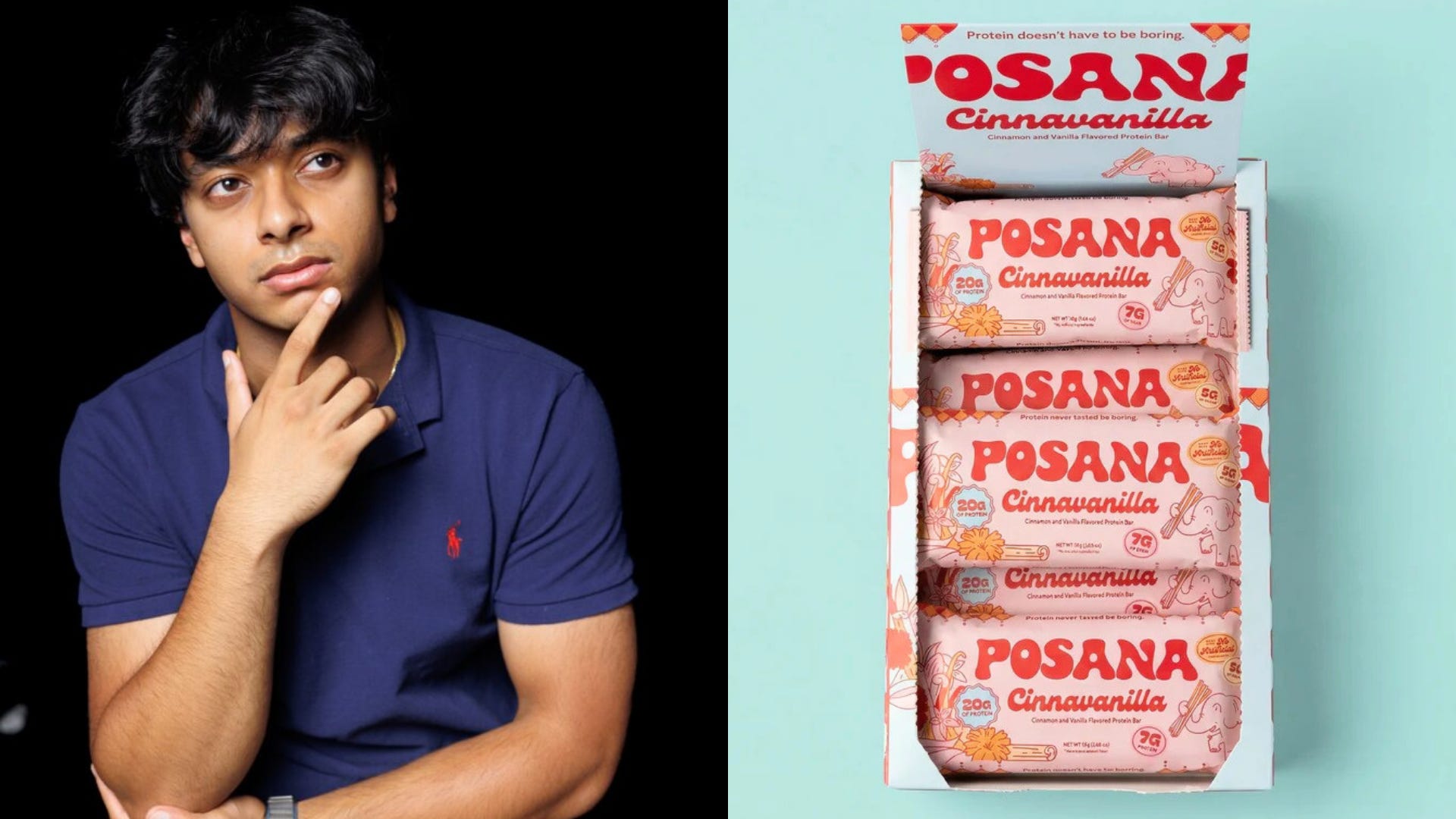
Meet Aditya Banerjee, founder of Posana, a protein bar brand focused on taste and culture. He’s also a sophomore at Berkeley.
In high school, Adi and his friends would go to the gym and try a new protein bar every day. Somewhere between bar 50 and 60, he noticed something: the space was huge, growing fast, and pretty bland.
“At Berkeley, I was trying to make bars every night. It’s a shared kitchen, so it didn’t take long before people noticed. I became known as the Clif Bar kid.”
He’s raised $500k. He’s in 45 retail locations. He started all of it in a dorm kitchen.
00:12 - The mind behind Posana
02:19 - There was no business plan
04:23 - My first check was $2,500
06:24 - The adrenaline rush, that’s what I love about it
08:47 - That’s when it hits me
10:51 - I didn’t care I was a freshman
$2,500: First investor check from someone in his dorm building
40+ retail locations: In less than six months after launch
$500k+ total raised: From students and investors he met at parties
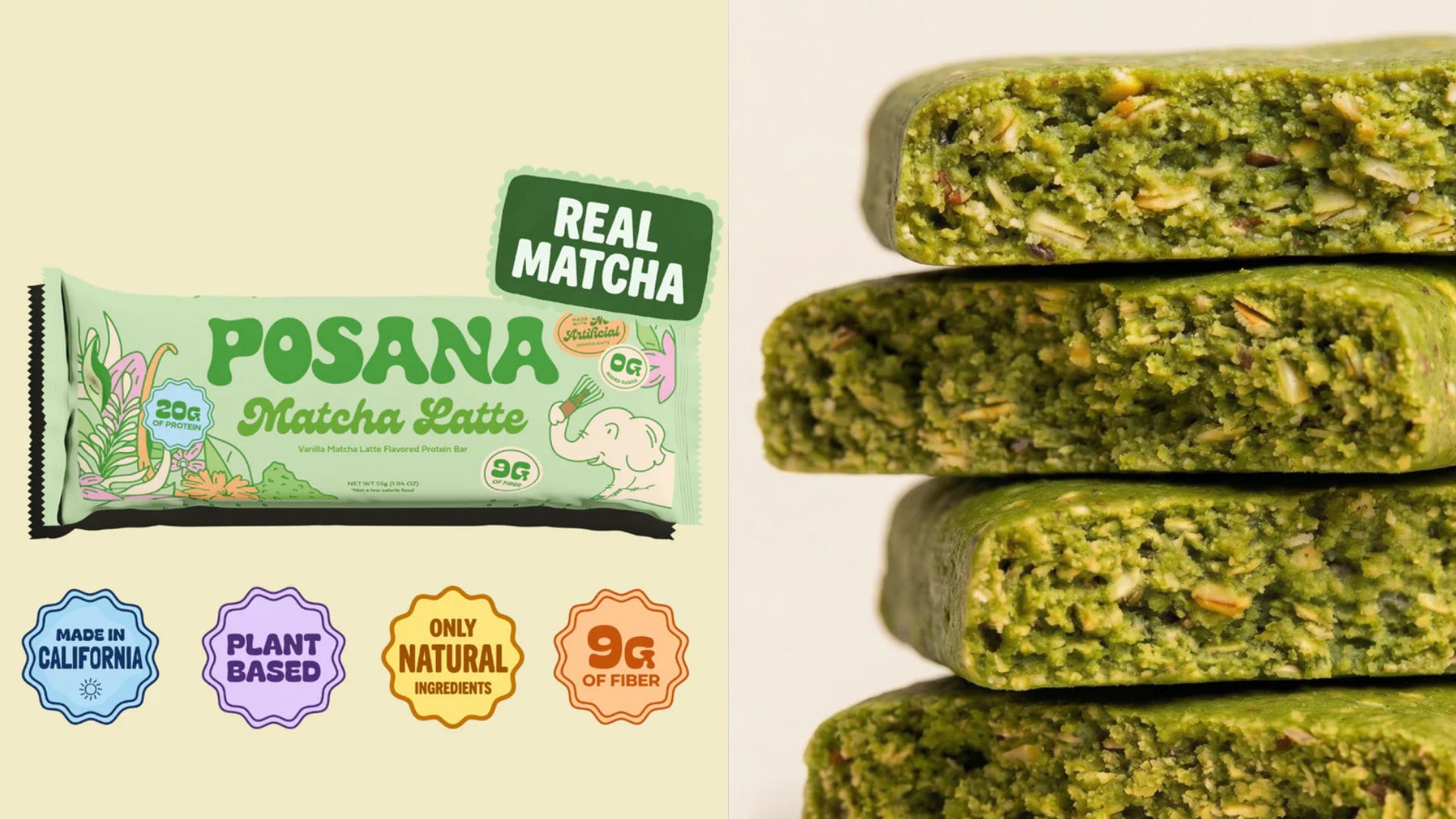
Start with what’s around you. Adi tested recipes in his dorm kitchen. His first investor lived upstairs. His first retailers were walking distance around Berkeley. “This is in the now. I didn’t care I was a freshman. I just kept moving forward.” The window isn’t later. It’s whatever you have access to right now.
Reach out before you’re ready. Especially before you’re ready. Before Adi had a product, a co-packer, or a plan, he had conversations. “Reaching out to people super early saved me a year’s worth of time.” He learned about co-packers, company structure, and even got a pro bono lawyer. Ask early. Advice is only free before you need it.
Build the list before you need it. Adi contacted 650+ investors, angels, and funds. Even though most of them passed, he had built a different asset: an investor update list. “I have built so many relationships, and have their permission to update them over time.” A no isn’t a dead end. It’s deferred interest. The follow-up is where the relationship compounds.
Treat your co-packer like a partner, not a vendor. Adi’s first co-packer calls felt like job interviews. “I was trying to prove myself, even though I was the one paying.” When Posana’s first production run came back drier than the prototype, he pushed back and secured a discount on the next run. Co-packers want you to scale with them. Don’t be afraid to have that conversation.
Always have product on you. In the early days, your only job is to get your product into as many hands as possible. For Adi, this meant bars in his pockets at every event and party, including the ones he crashed. “People always ask what you’re working on,” he says. “It happens to be in my pocket. I have them try it. They like it.”
Market signal → Early-stage CPG is less about brand or product, and more about proximity. The founders who stay closest to customers, buyers, and capital learn faster (and move sooner!) than everyone else.
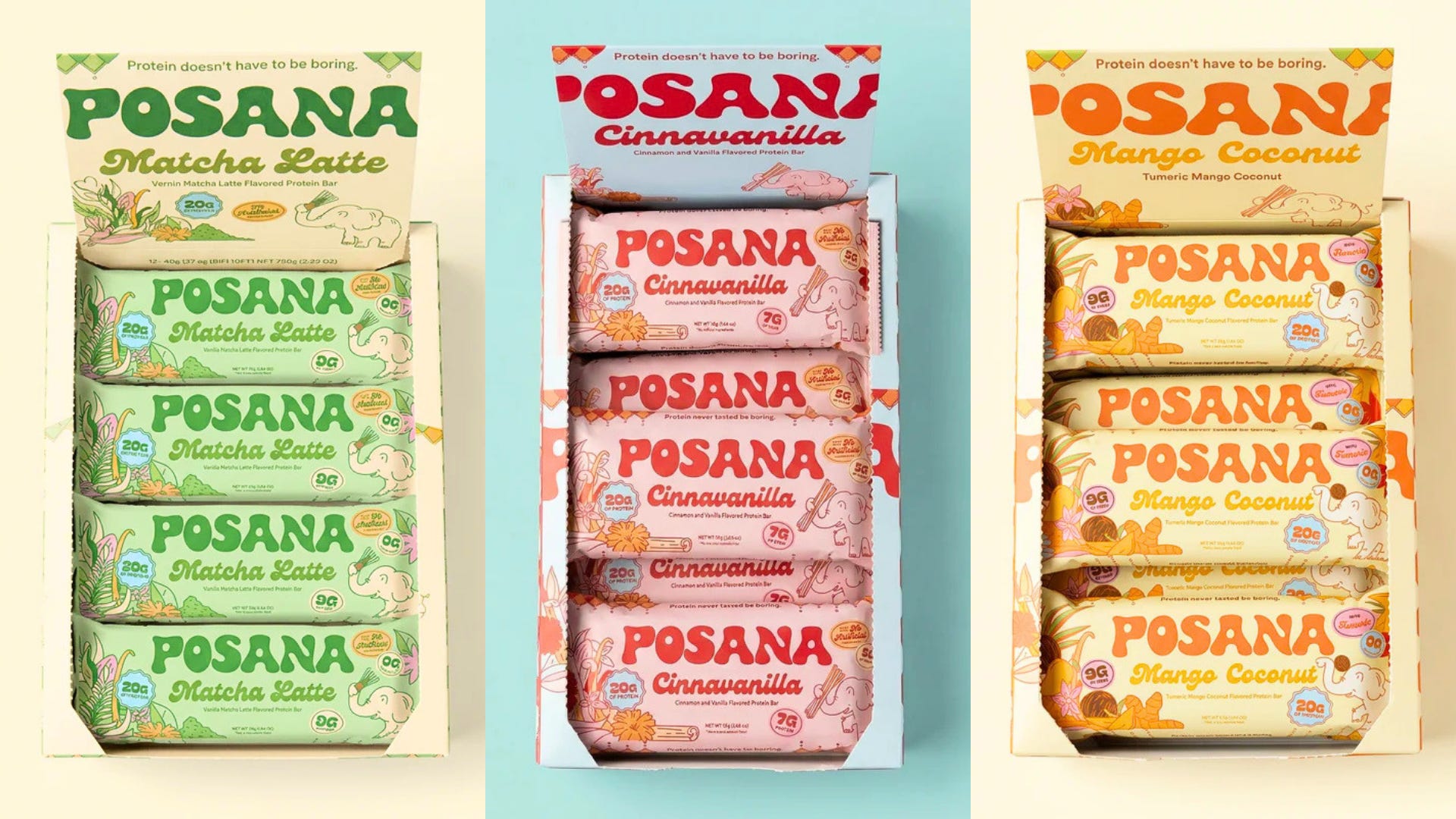
The founder fundraising stack (pre-revenue edition)
Raising without data mostly comes down to reducing uncertainty, one interaction at a time.
1. Product in hand. Every conversation is an opportunity to put the product in someone’s hand. That’s your best pitch.
2. The identity hook. You don’t need a better angle. You need a specific detail that makes someone lean in. That’s not a pitch. It’s a person. People fund people.
3. Volume over precision. You’ll talk to a lot of people. Most will say no. The goal isn’t a perfect pitch. It’s 50 conversations that make the next one better.
4. The update list. Everyone you talk to goes on a monthly email. Don’t pitch, just share progress. Over time, the story compounds, and so does interest.
5. Make it easy to say yes. Clear docs, simple steps. Use a SAFE and set up a Delaware C Corp early. Investors expect it. Don’t make them ask.


