


You don’t need to be the biggest brand to make an impact.
You just need the courage to believe your product deserves a place on the shelf, and the persistence to prove it.
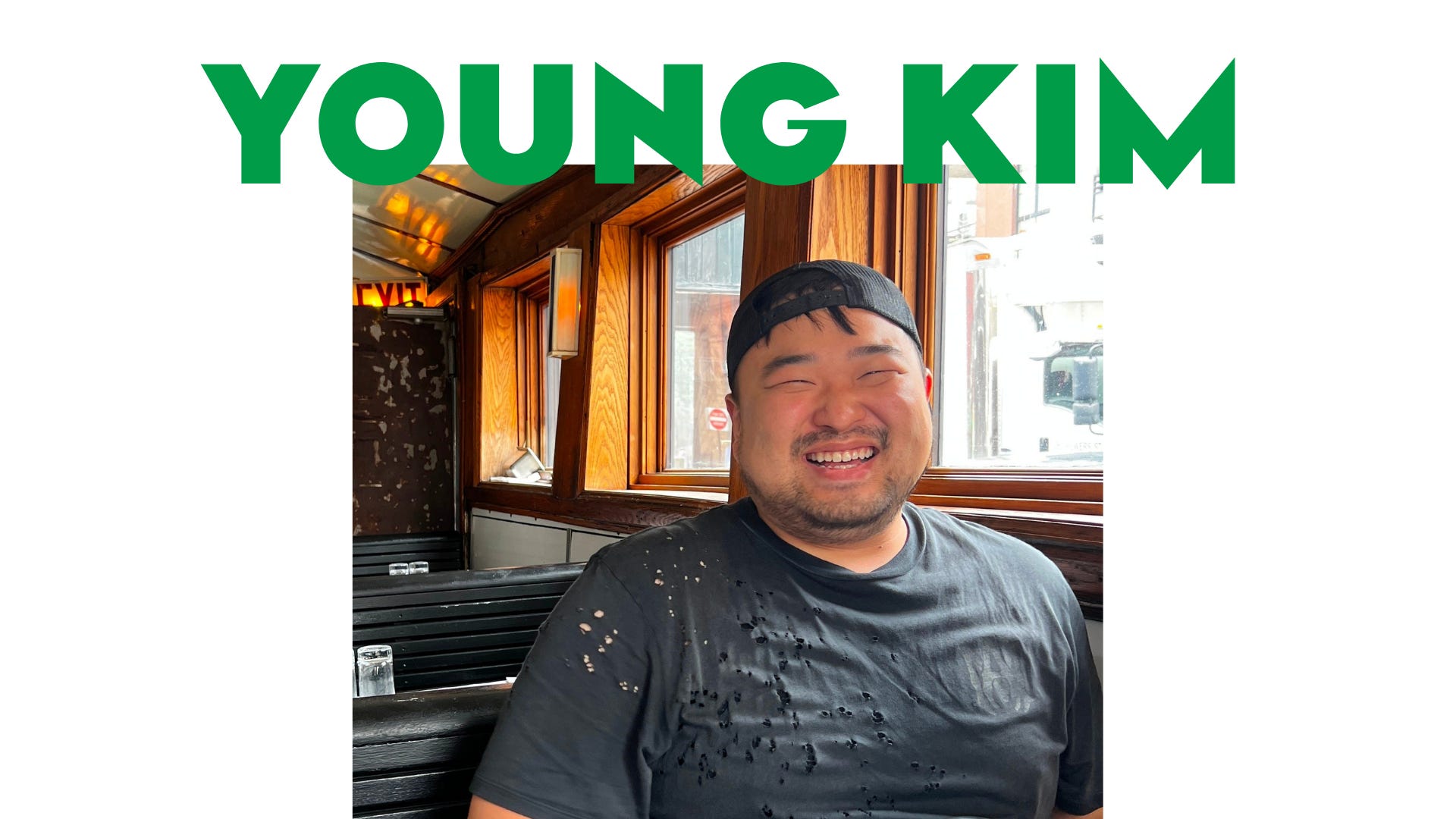
From stocker to CEO, Young Kim helped build Jubilee Marketplace’s grocery model around community, curiosity, and giving small brands their first real shot. Featured in the New York Times with a smash burger that “costs less than a subway swipe” smash burger and a $5 rotisserie chicken that broke the internet, Young has one of the clearest views on what actually makes brands win in retail.
00:29 - From stocking shelves to running them
03:08 - A grocery for its customers and community
05:20 - Forget Whole Foods (how Jubilee picks its products)
07:57 - Why Jubilee promotes small brands for free
10:14 - The viral smash burger that “costs less than a subway swipe”
12:27 - What an NYC grocer thinks brands should know
Text answers below have been edited for length and clarity. Full answers are in video. (We highly recommend watching!)
How did you get started in grocery?
I started back in 2010 as a part-time stocker in Jubilee’s Financial District location. I was in a position where I had to help out the family with some of the bills and stuff. So I took a little break from school. I was just a 20-year-old asking around for jobs, and someone said, “Oh, this place called Jubilee might be hiring.” This was my first and only job.
I thought it was going to be a one- to three-month job. But something was very fascinating about working at a grocery store, especially in New York City. People from different backgrounds and seeing what they purchased. I ended up staying and here I am.
My boss said, “It’s not just a job. If you make it a career, it becomes a career. It’ll be long hours, but I’ll give you the opportunity to work in different departments.” And that’s what I did.
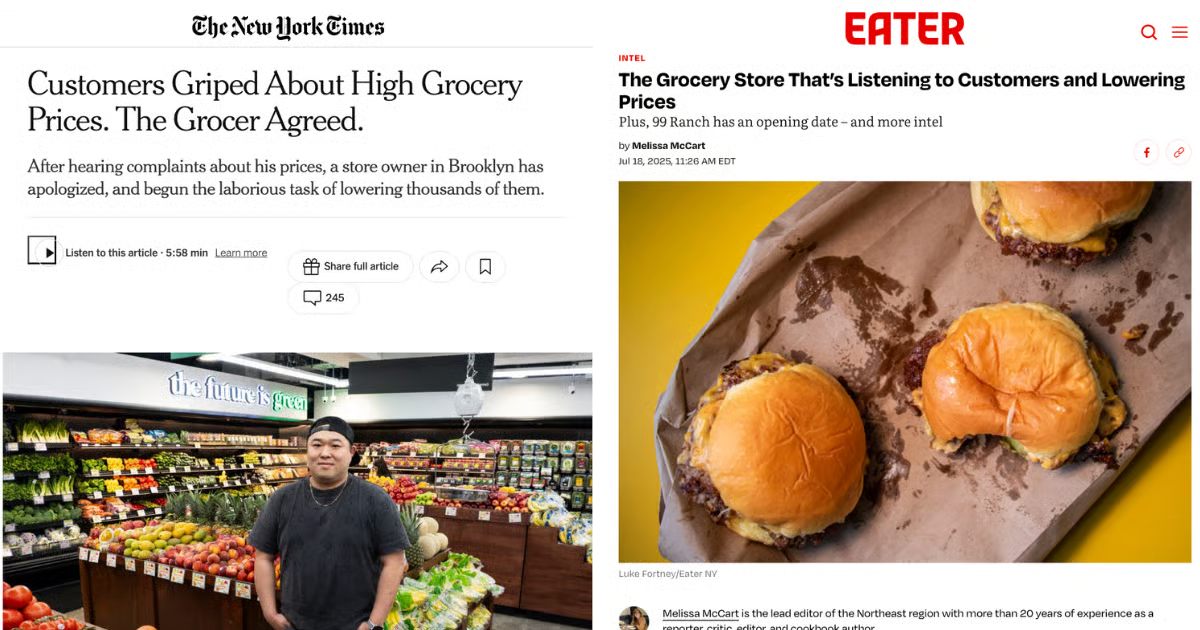
Five years in, I became assistant manager. In 2017, they named me a partner. And then in 2023, when we opened the Greenpoint location, they named me CEO.
What makes Jubilee Marketplace different?
We are what the community wants us to be. A good portion of our items come from customers themselves. Even if one customer requests it, we’ll give it a shot. We’ll put it on the shelf and then we’ll see how it does.
The other portion are the smaller brands we stock. It’s hard to get into a grocery store at that stage. The product might be fantastic, but if you don’t have exposure, which is very tough for CPG products, it’s very difficult to get into groceries.
And it’s not like you can just sign up with a distributor. It costs a lot of money, time, effort. At that stage, it’s the founders doing the demos. Our customers also get very excited to meet the actual owners of the brand or product. I think that’s what makes it special. We try to be a community store versus just pushing a brand onto people.
As a hobby, I make content on social media. It was just an idea. What if people want to know more about the product? Because if it’s sitting on the shelf, that’s all you see. I wanted to make it a little bit more interesting for the customer.
When you’re deciding what brands to bring in, what do you look at?
I don’t follow the traditional protocol or traditional methods other retailers might consider. There’s the basics: how much does it cost, what’s the minimum case quantity, expiration date. But when I get presented with a new item, especially for new brands, I want to know the person behind the brand. I think it helps predict how well it’s going to do on our shelves.
We have a general idea of what kind of product we want to carry in terms of ingredients and how it’s processed. But besides that, we welcome smaller brands. For the bigger brands, we have a grocery manager and a buyer. But the smaller brands, I usually communicate with directly and try to build a relationship.
For a new brand pitching you, what should they be doing?
Because of the blueprint of our retail spaces, we won’t be able to showcase a product all the time. I want to know what you’re doing as a small brand to promote your product.
A lot of new brands come to us and it’s a great product, but sometimes it just blends in with all the other products we have, which is unfortunate. But it does. Are you willing to do demos at the store? Are you willing to do a pop-up? We’ve had tons of pop-ups, and we sold out multiple times. This way customers get to try the product.
I don’t know how this is going to sound, but I’ve had brands try to convince us to carry their product because they’re in Whole Foods, which I don’t like. We want to be Jubilee, and we don’t want to know what other stores your product is in.
How do you work with small brands?
Our protocol is we try two orders. If the product ends up sitting there and eventually goes out of date, we’ll place another order and try one more time. But if it’s a product we’re passionate about, we’ll just keep going, even though it doesn’t make financial sense.
We keep it on the shelf and keep the price very low because we believe in the brand. It may seem stubborn, but luckily everything worked out because if we had removed it, we would have missed out.
We put promos on our dime so it doesn’t hurt the brand. I think of it as a small investment because a price reduction means a customer will try, and hopefully they try again at regular price. With smaller brands, I tend not to ask for anything. It feels wrong. It wouldn’t really be helping.
It usually takes about three months to determine if it’ll do well. That’s when it reaches all our customers. Some shop once a week, some twice a week, some once a month.
We have to talk about your recent news features.
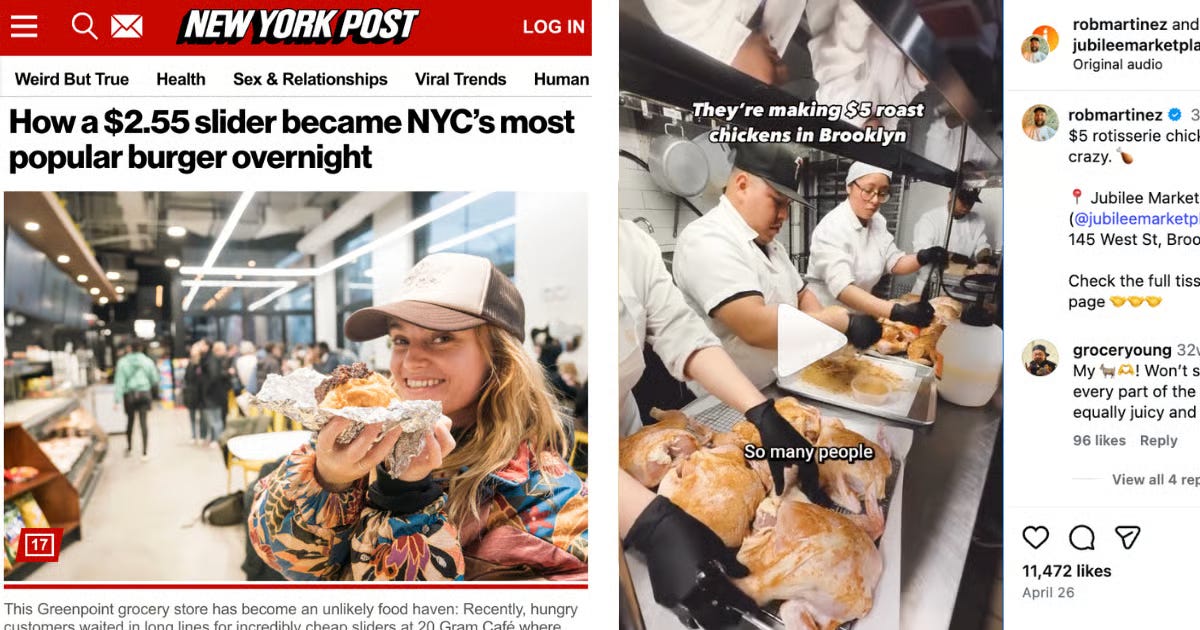
The first one was the smash burgers we sell in the cafe. Rob Martinez and Johnny Novo were the first to cover it and the story went viral. Then the $5 rotisserie chicken, Rob Martinez came to feature us on that. Then we reduced pricing back in August, and The New York Times covered us. I got to meet Pete Wells, which was a great honor.
The smash burgers were special to me because I grew up in Jersey. I used to go to White Manna. I remember having a couple bucks and buying a burger. I wanted to recreate that here.
During construction, my team and I had to eat out every day. It was expensive. We wanted to make it a third space for everybody, where you could be a high school student or middle school student, or someone working across the street.
I was very grateful because as a new business, we were struggling. We’re on the outskirts of Greenpoint, and the area was still in development. I was fortunate to have exposure from these projects and I want to pay it forward.
A lot of what we do doesn’t make sense business-wise, but expecting something in return isn’t helping. So I try to give back as much as we receive.
Being a grocer on the ground, what consumer shopping trends are you seeing?
The trend I’ve picked up recently is more authentic food. Sometimes brands alter products to make them more “Americanized.” But people now want more authentic versions because they’re traveling. If someone visits Japan, they want what they had there.
I’m seeing better ingredients, but obviously with that, prices go up. I want to tell CPG brands, don’t be scared to charge what you’re supposed to charge if the quality backs it up. Like HEYDOH Soy Sauce didn’t move at first because it was more expensive. We sold it at wholesale cost for a while. But when people tried it, they tasted the difference and it did extremely well.
Final things you’d tell early-stage founders?
The smaller brands I work with, we’re usually in their first or second big retailer. I tell them, it’ll be OK. It will move at some point. We just have to push it a little more. And it eventually does. But that waiting period, they haven’t experienced it before.
I think social media, fortunately or unfortunately, is a great tool. It’s a necessity at this point. If I had to give advice, document your journey from start to finish. That’s what gets people excited.
And reach out. I’m always here to help, answer questions, and try your product. But at the end of the day, you know your product better than anyone else. Follow your gut, your passion, and push through. If your product is truly great, I’m sure it’ll be a home run.


