


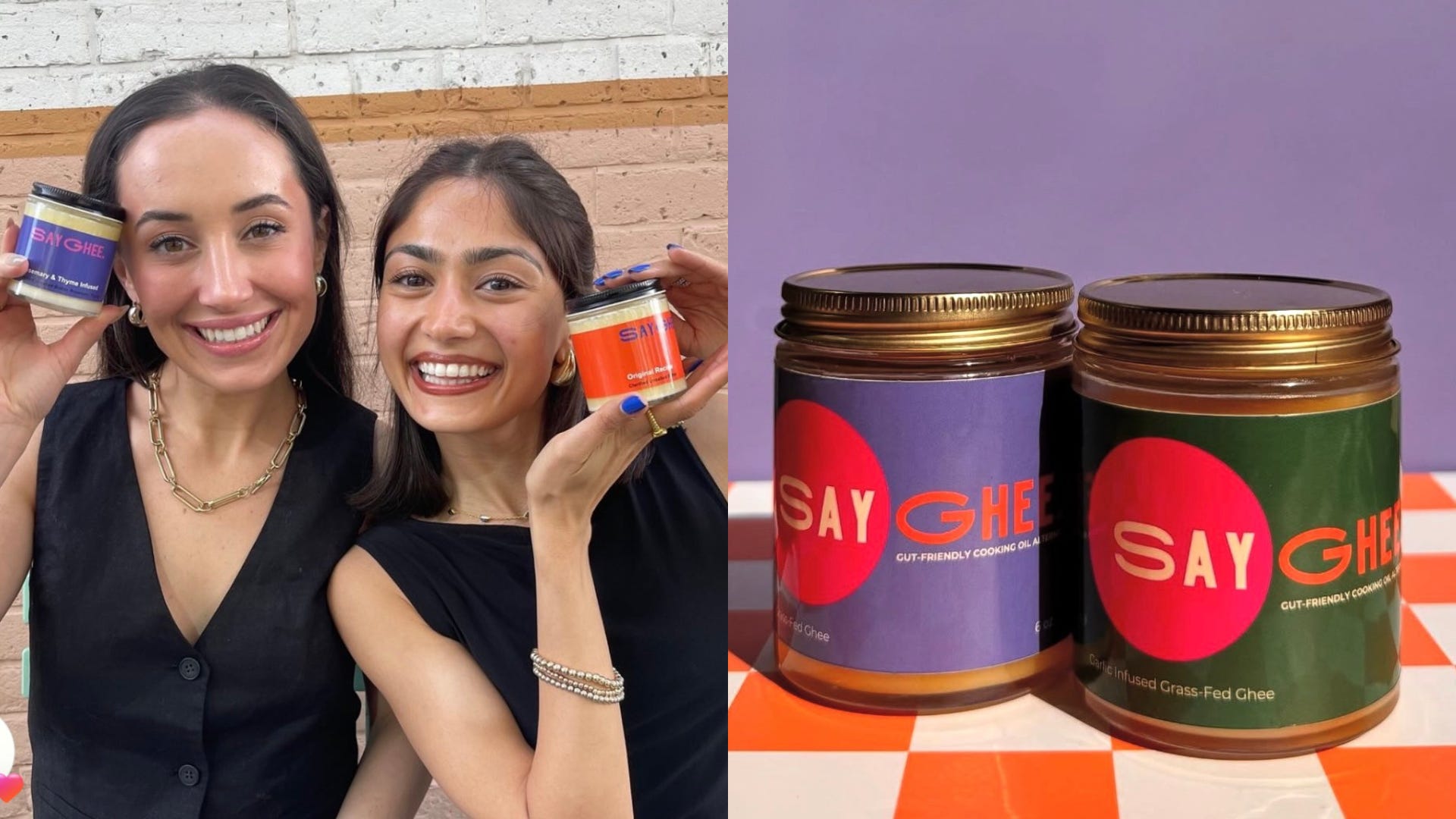
SayGhee jars stand out on the shelf. They’re bold, colorful, modern. But what makes them sell is education.
Teaching shoppers what ghee is, how to use it, and why it belongs in everyday cooking. For best friends and co-founders Aditi Kulkarni and Katie Murphy, that lesson started in New York. Their finance jobs meant long hours, late-night takeout, and stomachs that couldn’t keep up.
They started cooking with ghee, an ingredient Aditi grew up with, and felt the difference immediately. That small health shift led to a bigger opportunity: bringing ghee to more household kitchens.
00:29 - The minds behind SayGhee
03:04 - From label to launch
05:01 - The boots are strapped
08:18 - Out and about
10:52 - Ghee goes DTC
13:03 - The bread to our butter
15:35 - Asked and answered
Tailor the message to the customer. At demos, SayGhee always starts with: “Have you used ghee before?” If the answer is no, they share benefits like being lactose-free and gut-friendly. If yes, they go flavor-forward. That simple switch makes the message click.
Shoppers need a how, not just a what. Awareness isn’t enough. Most people have heard of ghee, but don’t know how to use it day-to-day. SayGhee shifted their focus to education, adding recipe cards to every order, usage notes right on the jar, and demos that share simple dishes.
Launch for feedback, not fireworks. A launch isn’t just a party. It’s a feedback loop. SayGhee used theirs to learn what was missing in their messaging before they scaled. The faster you catch what confuses people, the cheaper it is to fix.
Use channels for their unique strength. SayGhee sells across channels, but see each one playing a different role. DTC drives discovery and storytelling, where people try new products. Grocery is for repeat purchases and habits form. Markets and pop-ups bring cash flow and real-time feedback.
Move from maker to manager. Hand-packing jars in a 400-square-foot apartment was scrappy but unsustainable. A small-run co-man let them focus on selling, sampling, and storytelling. The work that actually drives growth.
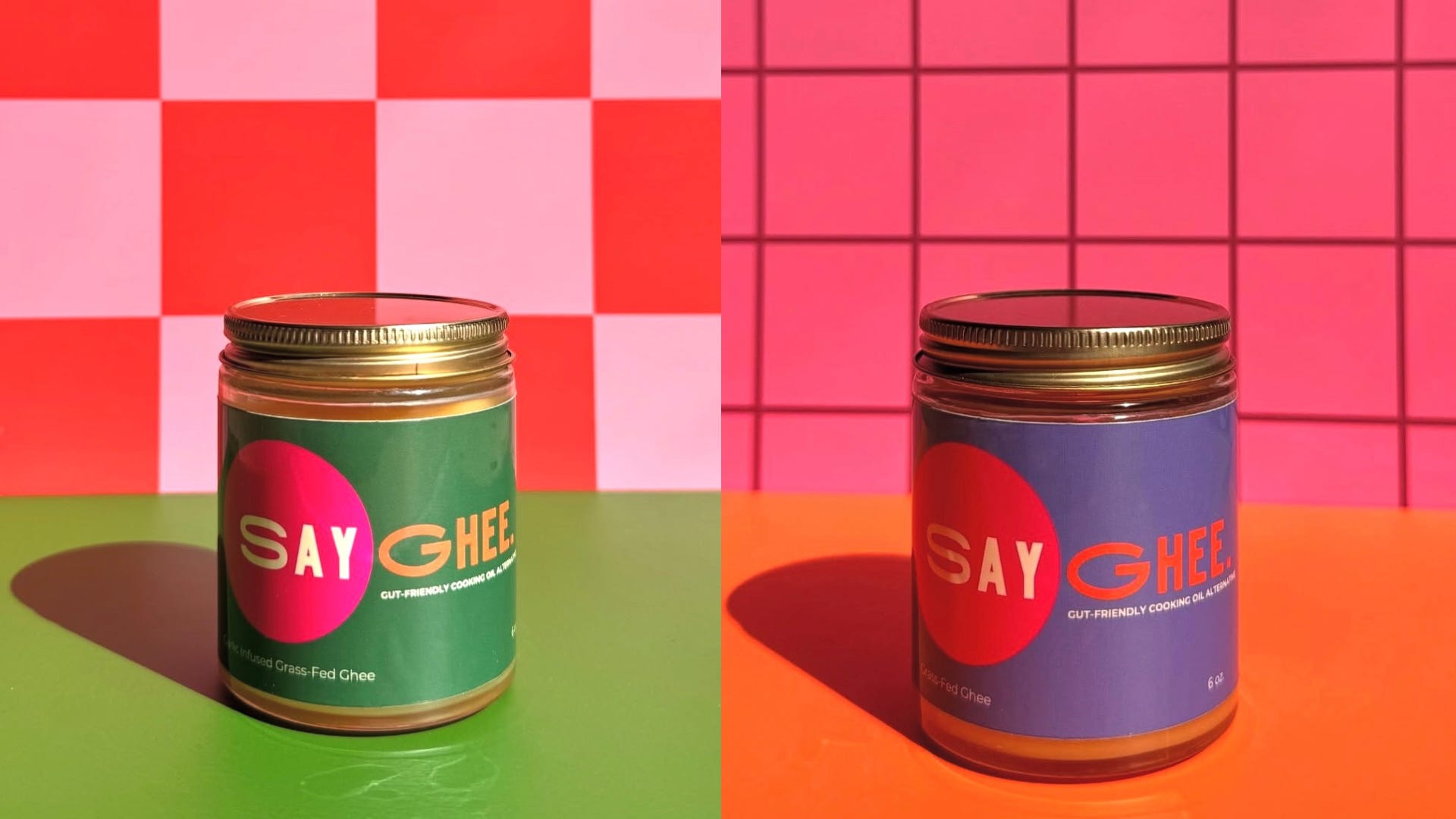
Market signal → Beautiful packaging starts the conversation, but education closes the sale. Shoppers don’t just want to know what it is, the need to know how to use it.
Retail sampling checklist
Sampling isn’t just handing out tastes. It’s the fastest way to explain your product and educate consumers.
Pre-shelf: Confirm your product’s priced correctly, stocked, and visible to customers
Staff training: Give employees a 20-second pitch they can use to explain your product when you’re not there
Customer script: Start with a question: “Have you cooked with X before?” It engages people and guides the conversation.
Data capture: Track samples given, products sold, and the top questions people ask
Follow-up: Within 72 hours, send results and a thank you to the buyer. It shows you’re invested in their success, not just your own


