


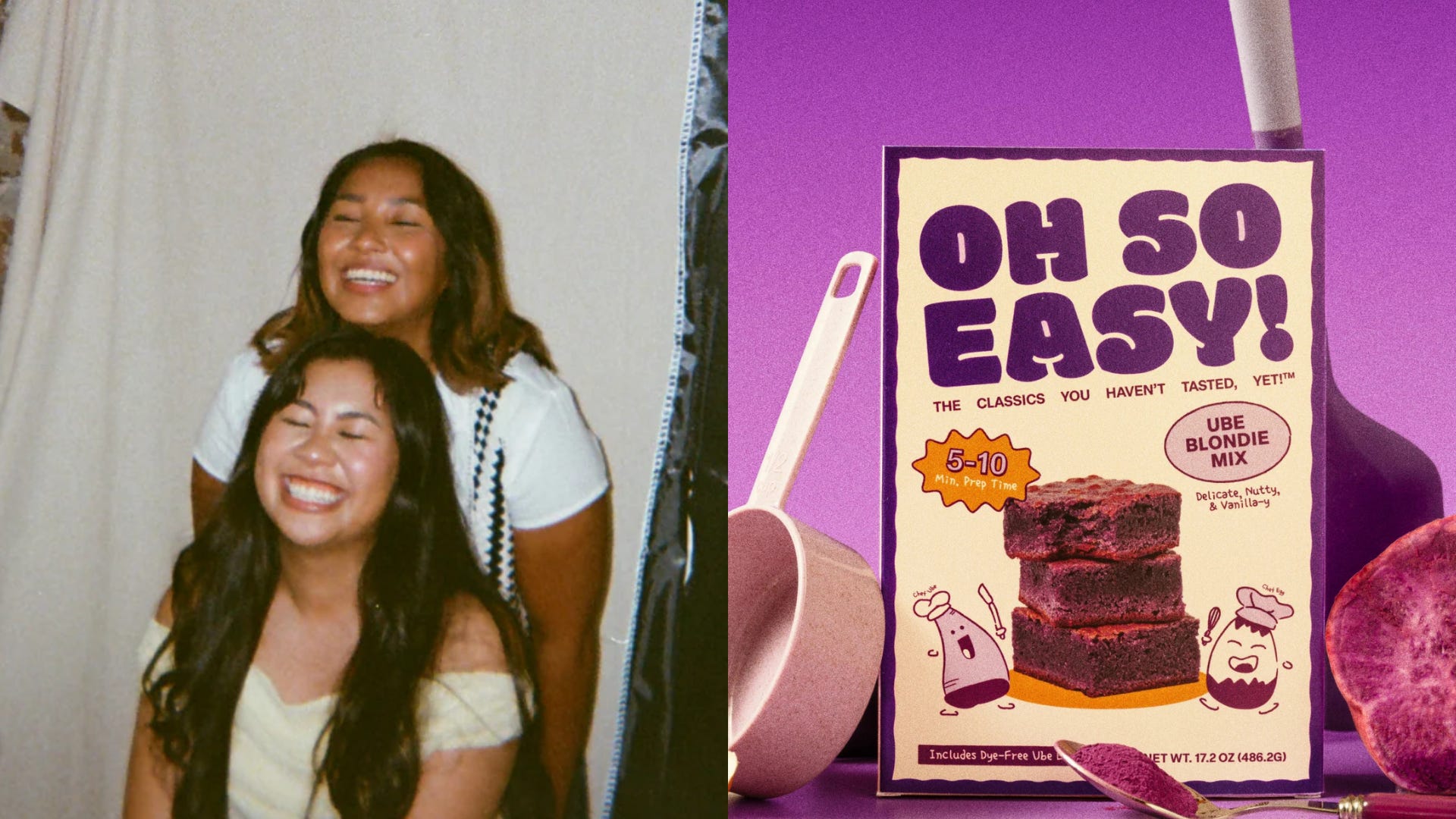
Oh So Easy! makes baking mixes that look familiar, but taste distinctly different.
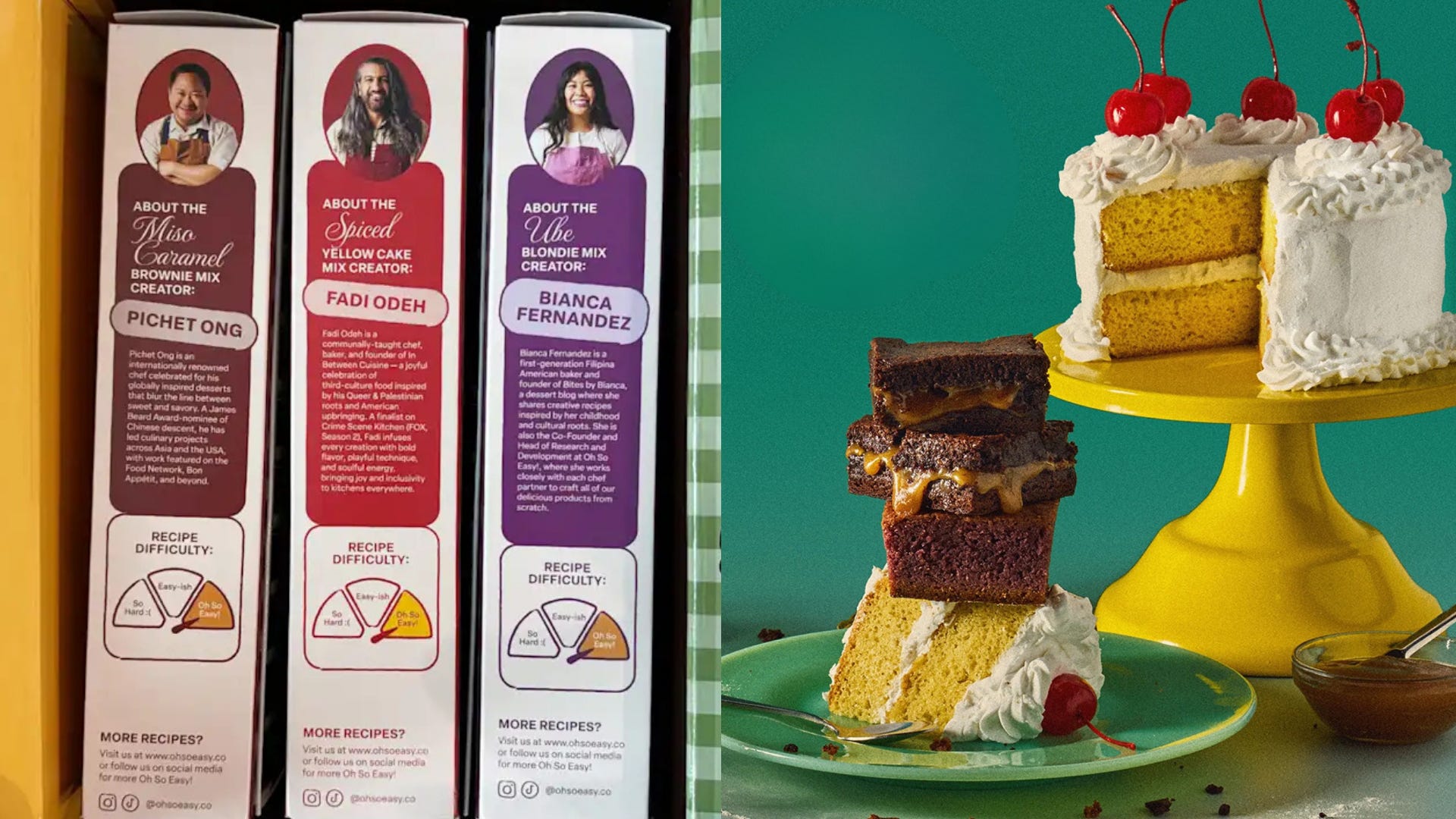
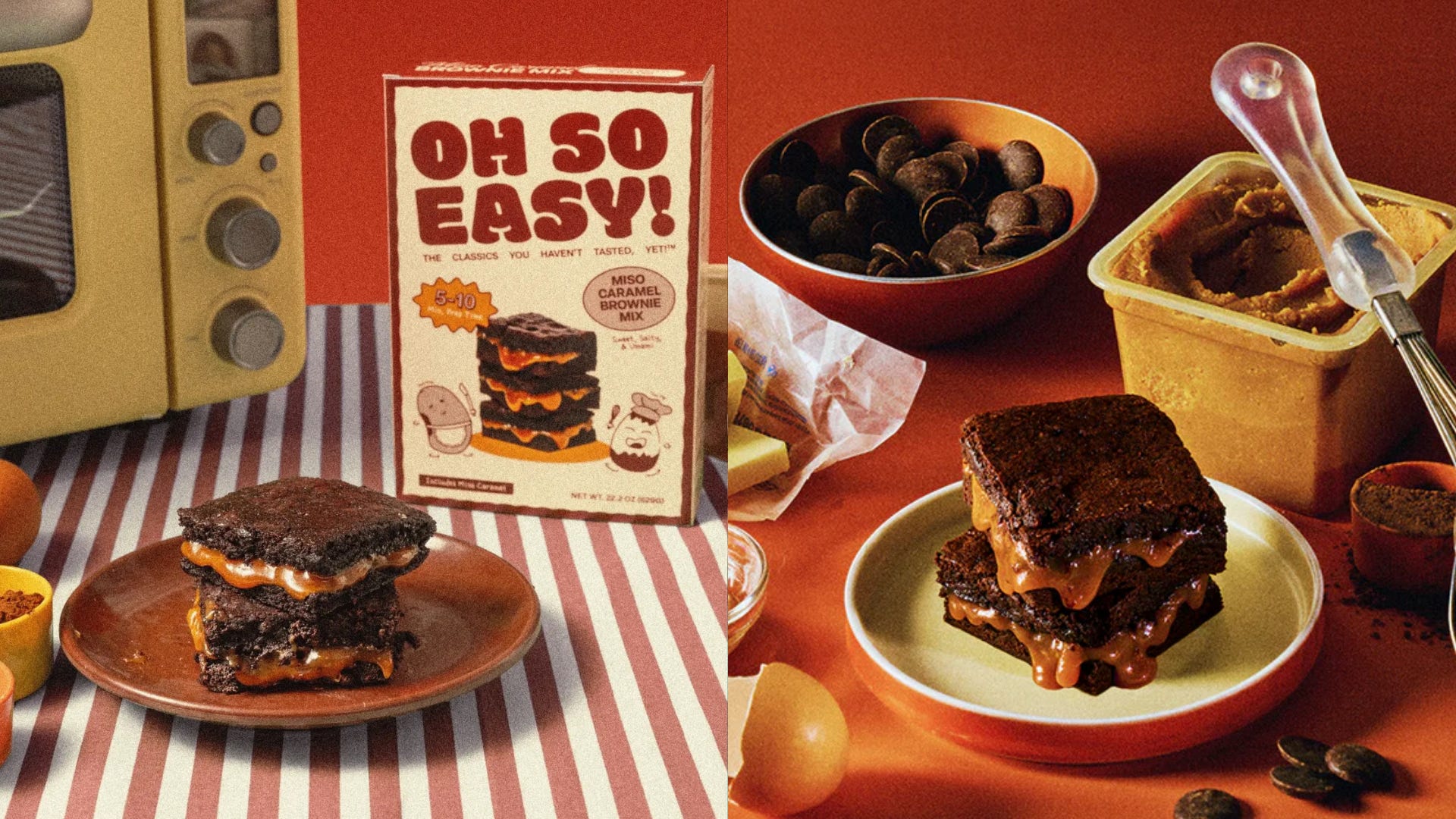
Ube blondies. Miso caramel brownies. Spiced yellow cake. These aren’t limited runs or seasonal releases. They’re core products, built on heritage, third-culture experience, and a clear point of view.
As the first globally inspired baking mix brand in the U.S., Oh So Easy! puts culture into every product itself, not just the story told around it.
00:16 - The minds behind Oh So Easy!
03:29 - Politics is in the mix
06:53 - From version one to done
09:57 - All in on influence
13:41 - Take the whole cake
17:08 - Just doing delicious
Consumer feedback doesn’t start at launch. It starts when the company does. Oh So Easy! began building relationships with influencers long before there was anything to promote. They reached out early, sent samples, and listened to what people shared. By the time the mixes were ready, they didn’t need to go find an audience.
Build the network that actually builds your product. Ava doesn’t spend time in CPG groups or founder communities because “I don’t really find them that helpful. There’s a lot of fluff.” The conversations that mattered happened with co-manufacturers, suppliers, vendors, food scientists... The people who touch the product are the ones to learn from.
Not every product needs to be healthier. It just needs to be worth eating. Oh So Easy! didn’t chase functional or nutritional claims. “I don’t look for cake to be the protein or fiber of my day,” Bianca says. “I get that from other food. What makes dessert good is sugar, fat, carbs… everything delicious.” Deciding what not to optimize for makes every other product decision easier.
If your values don’t change product decisions, they’re just branding. Global flavors. Third-culture identity. Transparency. These weren’t talking points. They determined Oh So Easy!’s product flavors, chef collaborations, and brand messaging.
Surveys are most useful when they capture behavior, not just preference. Ava’s original vision centered on cake mixes. But the surveys showed something else: people buy brownie mixes more often. That insight led to the addition of brownies and blondies, now Oh So Easy! bestsellers. Use surveys to check assumptions before they turn into inventory.
Market signal → Product differentiation is shifting away from claims and toward conviction. Founders who make clearer tradeoffs on flavor, health, and values are the ones breaking through.
Check-your-assumptions survey
Use this to verify your SKUs, formulation, and production run.
1. What do you actually buy: Frequency beats preference.
Question: Which of these products have you purchased in the last 90 days? How often?
2. What does this replace: You’re displacing a habit, not creating demand.
Question: What do you buy today? What brand is your default?
3. What matters most if you had to choose? This shows what to stop optimizing for.
Question: Rank taste, price, ingredients, and convenience.
4. When and why do you use it? Context prevents category confusion (dessert ≠ health food).
Question: Is this a staple or a treat? Who’s it for?
5. What price is acceptable? Anchors pricing in reality, not founder optimism.
Question: How much do you usually pay? Do you think that’s cheap or expensive?


