


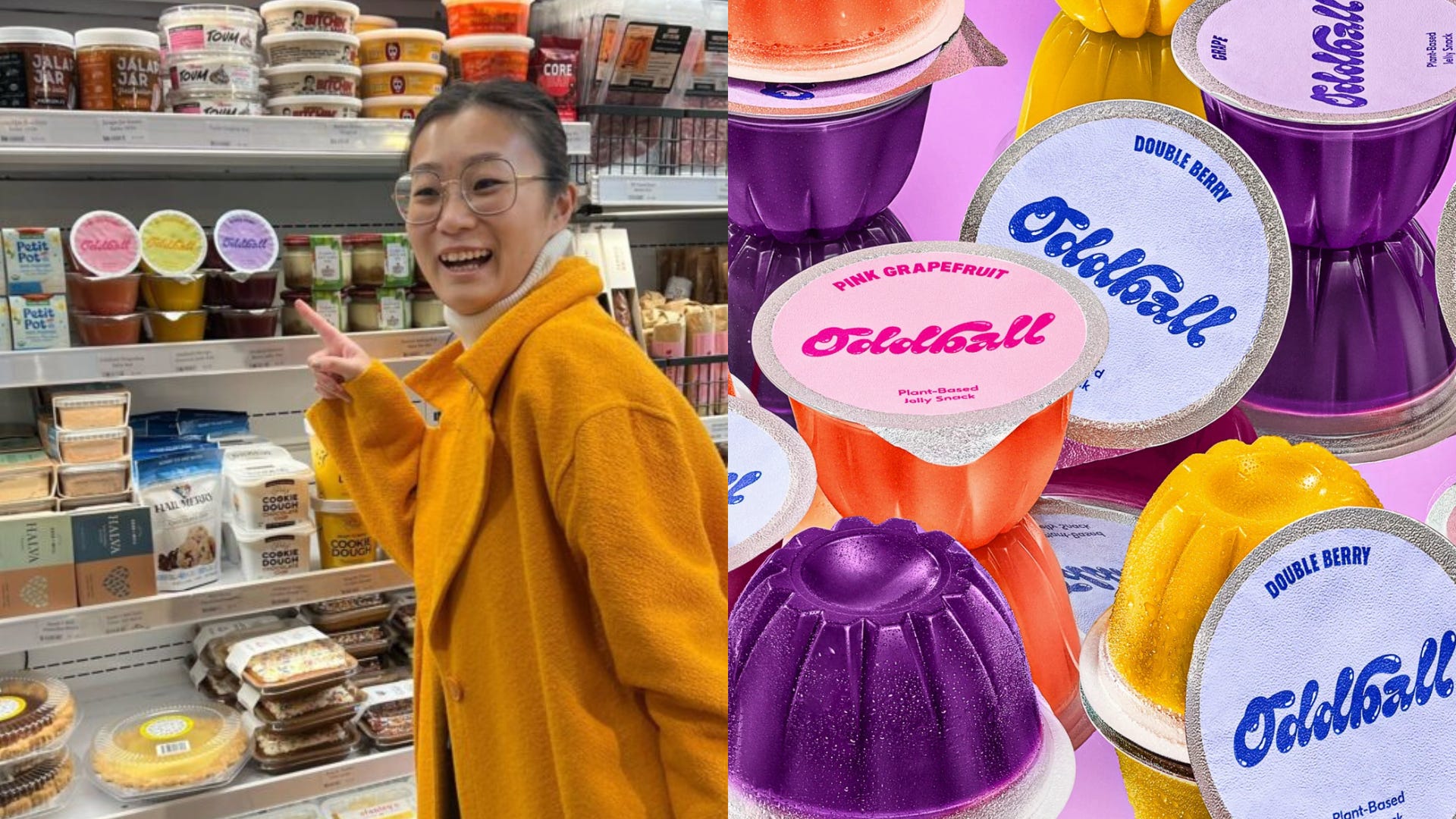
When’s the last time you ate jelly? (Not the jam jelly, the jiggly jelly.)
For most of us, it’s a childhood memory that never grew up. But kids didn’t stop liking jelly. Parents just stopped buying it. The sugar, the dyes, the recipe that hadn’t changed in a hundred years. That gap is where Sophia Cheng saw an opportunity.
Through Oddball, she’s rebuilding jelly from the ground up, turning a forgotten snack into a fast-scaling brand that’s fruit-first, clean, and fun again.
00:08 - The mind behind Oddball
02:23 - Version 1 and done
05:22 - The fruit is the flavor
07:45 - Sitting in the sweet spot
10:34 - Jelly-rolling the dice
12:54 - A bunch of Oddballs
14:48 - Breaking the mold

Simplicity as strategy. “I felt like I was being catfished by my foods,” laughs Sophia. Protein bars pretending to be cookies. Protein powders posing as milkshakes. Oddball went the other way, going fruit-first. In a market full of over-engineered goods, the simplest move is often the boldest.
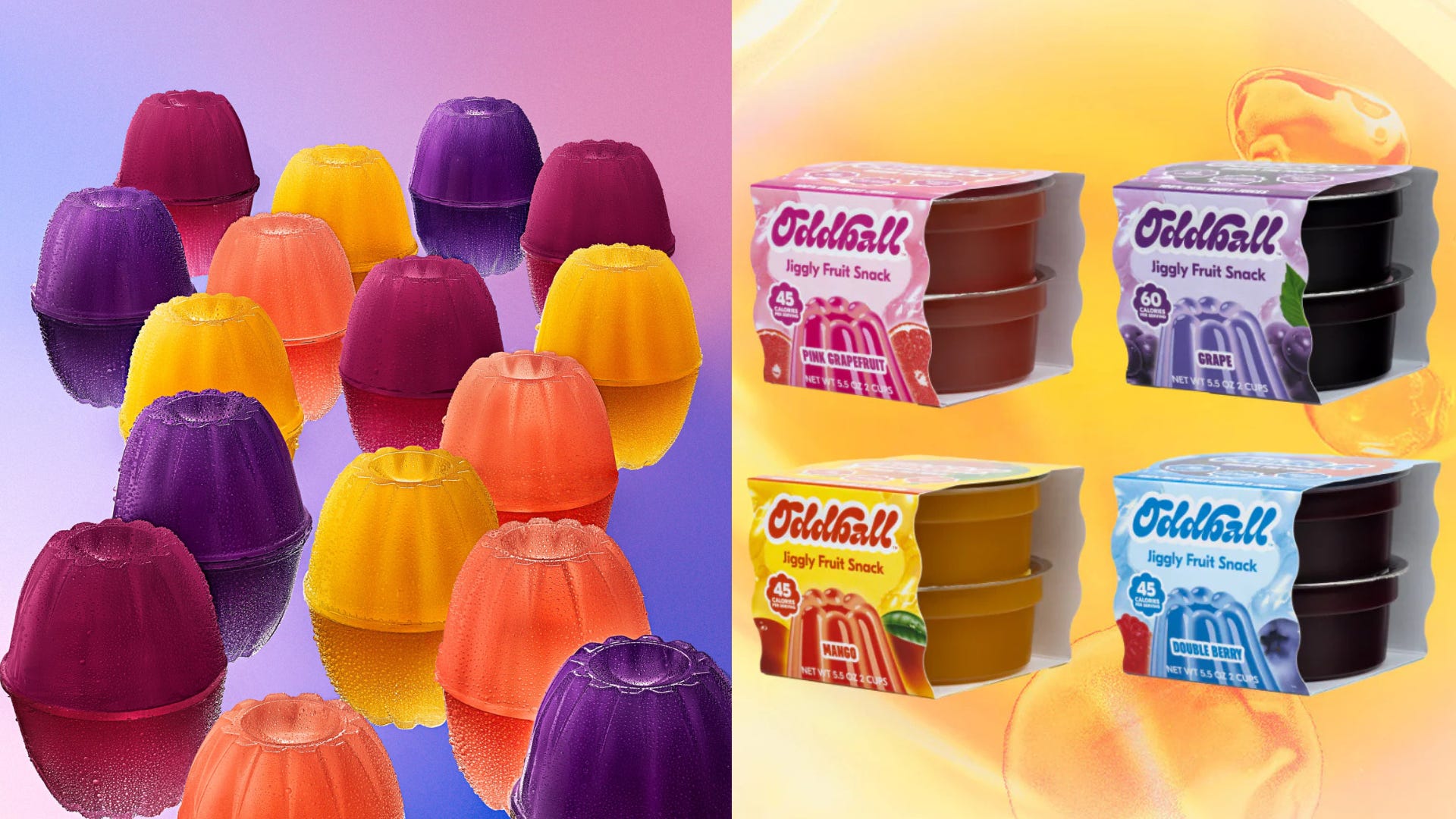
Solve the barrier to buy. Kids never stopped liking jello. Parents stopped buying it because of the artificial dyes, added sugar, processed ingredients. Oddball saw an opportunity to modernize an outdated recipe for today’s market.
External validation turns hobbies into businesses. Oddball might have stayed a kitchen project if it wasn’t for an invite to The Taste of NFL. That opportunity pushed Sophia to make, package, and test product in the real world. “I saw people eating 10 cups in a row,” she says. “That’s when I knew the idea was resonating with people.”
Consumers want now, buyers bet on next. Consumers tell you what they like today. Buyers anticipate what they’ll want tomorrow. The best brands live in that gap: aspirational enough to excite, but familiar enough to sell.
Be the dumbest one in the room. “Food is not complicated, it’s complex,” says Sophia. To avoid mistakes, surround yourself with people who have done it before. For Oddball, that meant an advisory board, industry experts, and R&D chefs to bring the idea to life.
Market signal → The next wave of breakout brands will come from reinventing forgotten categories for today’s standards, not inventing new ones.
Checklist: Are you solving a real problem?
A quick filter to decide if you’re solving something customers actually care about:
Existing demand: Are people already paying for a version of this, even if it’s not great?
Pain points: Do they complain about what’s on the market (taste, cost, health, convenience)?
Replaceability: If you disappeared, would they miss you or just grab the old option?
Clarity test: Can you explain the problem in one line that a customer, buyer, or investor instantly gets?


