


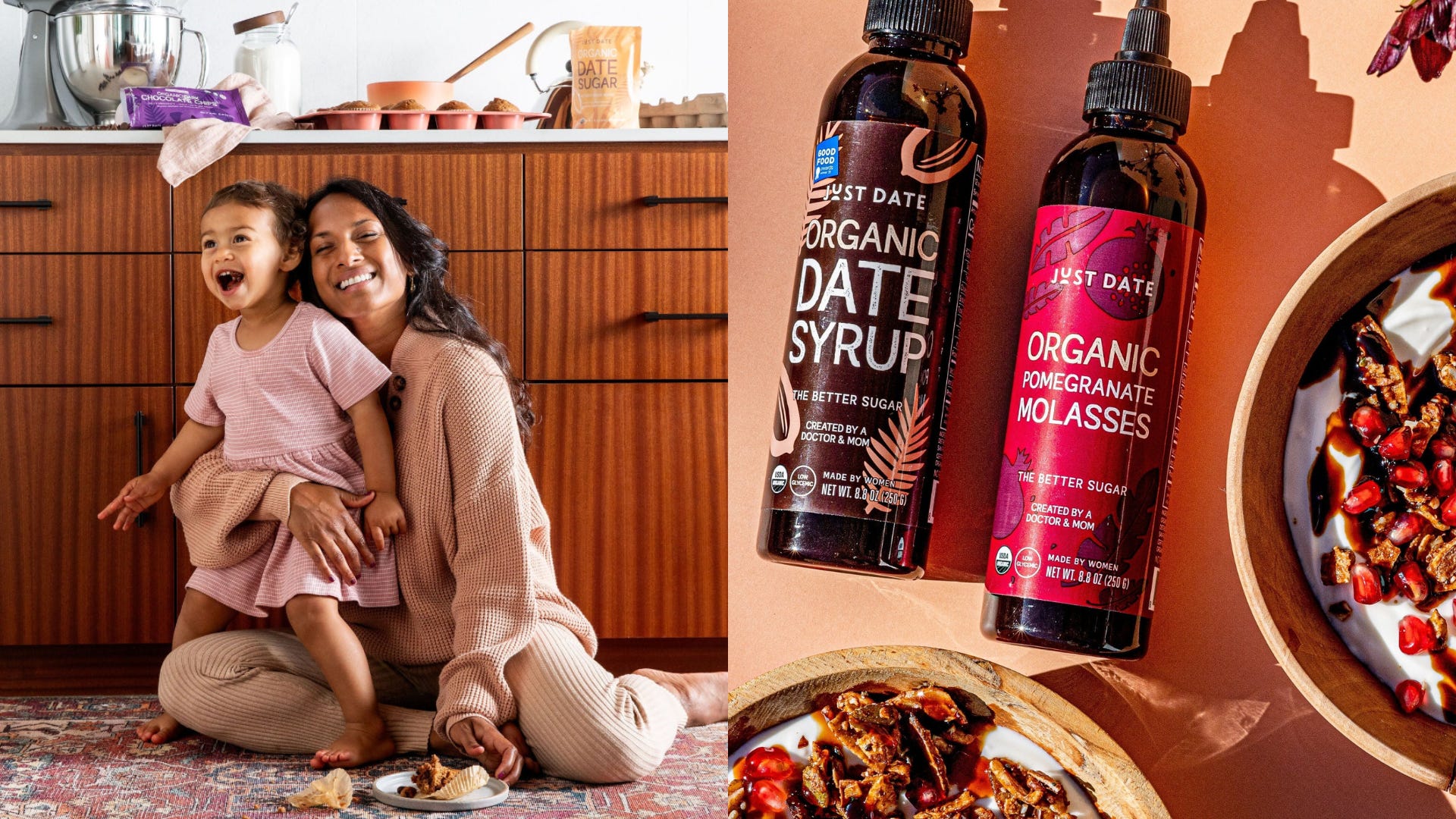
“People really wanted to just lick it off the spoon.”
That reaction was all Sylvie Royston needed to see. Unlike most sugars and sugar alternatives, date syrup wasn’t just a sweetener. It was something people craved. Plus, it had nutrients, antioxidants, and lower glycemic impact baked in.
Months after launch, her first major order from Whole Foods led Sylvie to leave her psychiatry practice at UCSF and run Just Date full-time.
Today, the brand sells more than 1M units a year across 4,000 retail stores, with its date-sweetened chocolate chips emerging as its newest and fastest-growing product.
00:24 - The mind behind Just Date
03:30 - From Fancy Food to Whole Foods
06:24 - The rest is retail
09:55 - It gets super simple
12:52 - Baking for the taking
16:10 - The pitch isn’t always perfect
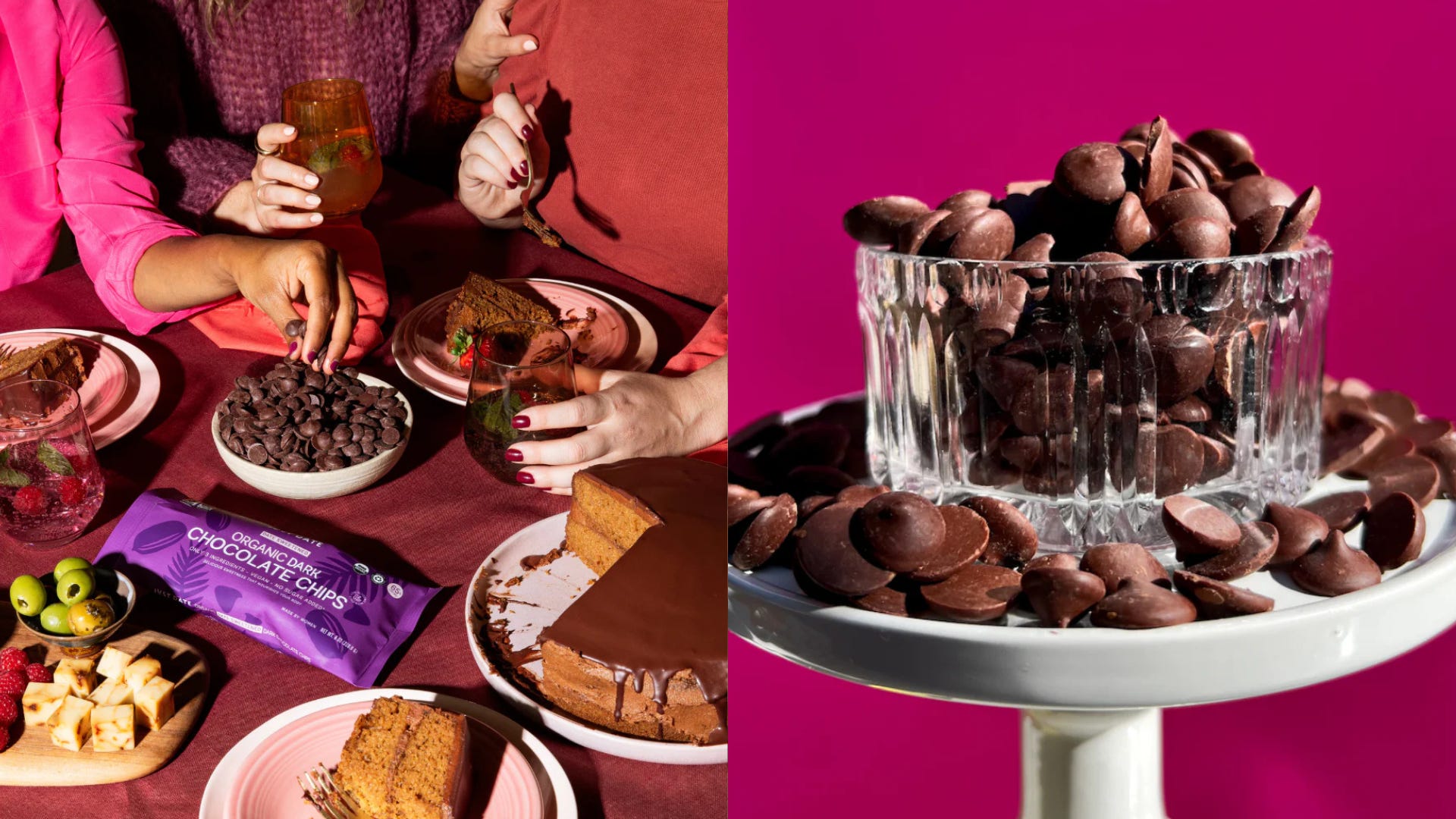
Your product is what customers notice, not what you envision. Just Date’s early packaging was minimal, natural, and easy to overlook. Next to other products, the bottle’s brown label just disappeared. “Don’t underestimate the power of color to catch people’s eye on shelf. We changed to bright, bold packaging, and that made a huge difference.”
Do what it takes, even when it seems unreasonable. “Getting into Whole Foods was super exciting. What was not exciting is being on the bottom shelf.” Sylvie drove to 150+ Whole Foods stores herself, pitching store managers to give her better placement. The product started moving, and sales followed.
Think in product lines, not single SKUs. Launching one product was focused, but limited. “My life would have been a lot easier if we started with the three sweeteners instead of the one,” says Sylvie. More SKUs mean more visibility, better use of buyer time, and stronger shelf presence from day one.
Let velocity data tell you what to build next. Even the most dedicated baker isn’t finishing a bottle of syrup every week. Some products are occasional by nature. Others are habitual. Look at sales velocity, purchase frequency, and shelf movement to see where demand is. Your next product shouldn’t come from a brainstorm. It should come from behavior.
You don’t need a long-term plan on day one. But you need one before you fundraise. The first time Sylvie pitched a VC, they asked about her 5-10 year vision. But she was just starting and didn’t have a clear answer. The meeting ended there. “VCs think about how big this is going to be and what your plan is for the company,” says Sylvie. Momentum proves the business works. Vision explains how it becomes big.
Market signal → Habit beats “better-for-you.” Health claims don’t drive repeat purchase. Routine does.
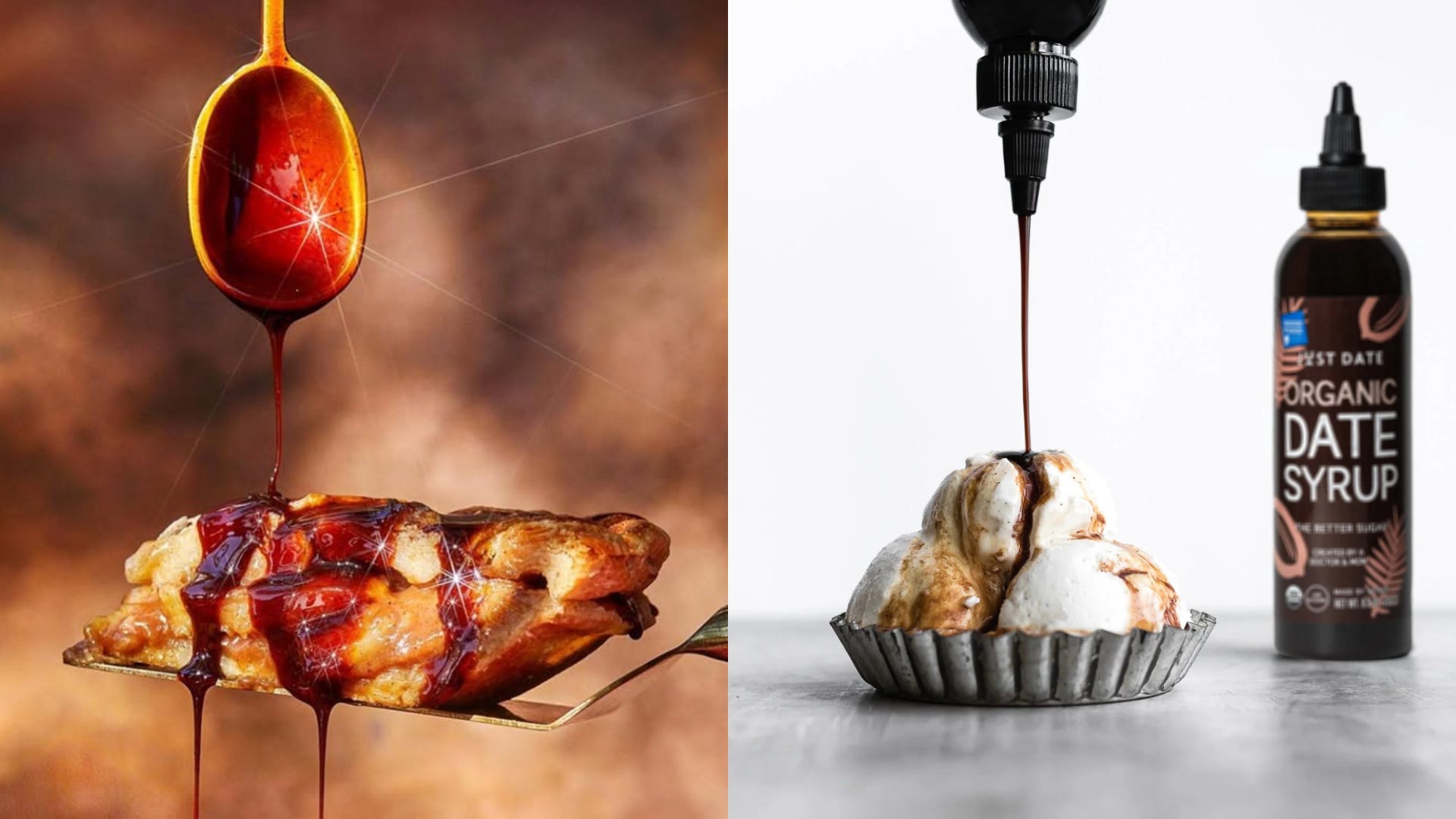
The product line expansion map
Have one product that works? Expand your line by changing format, frequency, shelf, and promise. In that order.
1. Same ingredient, new format
Ask: Where else can this ingredient be used?
If customers already trust the ingredient, change the form before changing the idea.
2. Same use, higher frequency
Ask: What version of this do people use more often?
Occasional products grow slowly by nature. Move toward formats people reach for weekly, not seasonally.
3. Same shelf, more space
Ask: What sits next to this in the store?
Same aisle, same buyer, more facings. This is often easier than opening a new category.
4. Same promise, less explanation
Ask: Is this easier to understand than the last product?
If it needs a pitch, it’s too early.


