


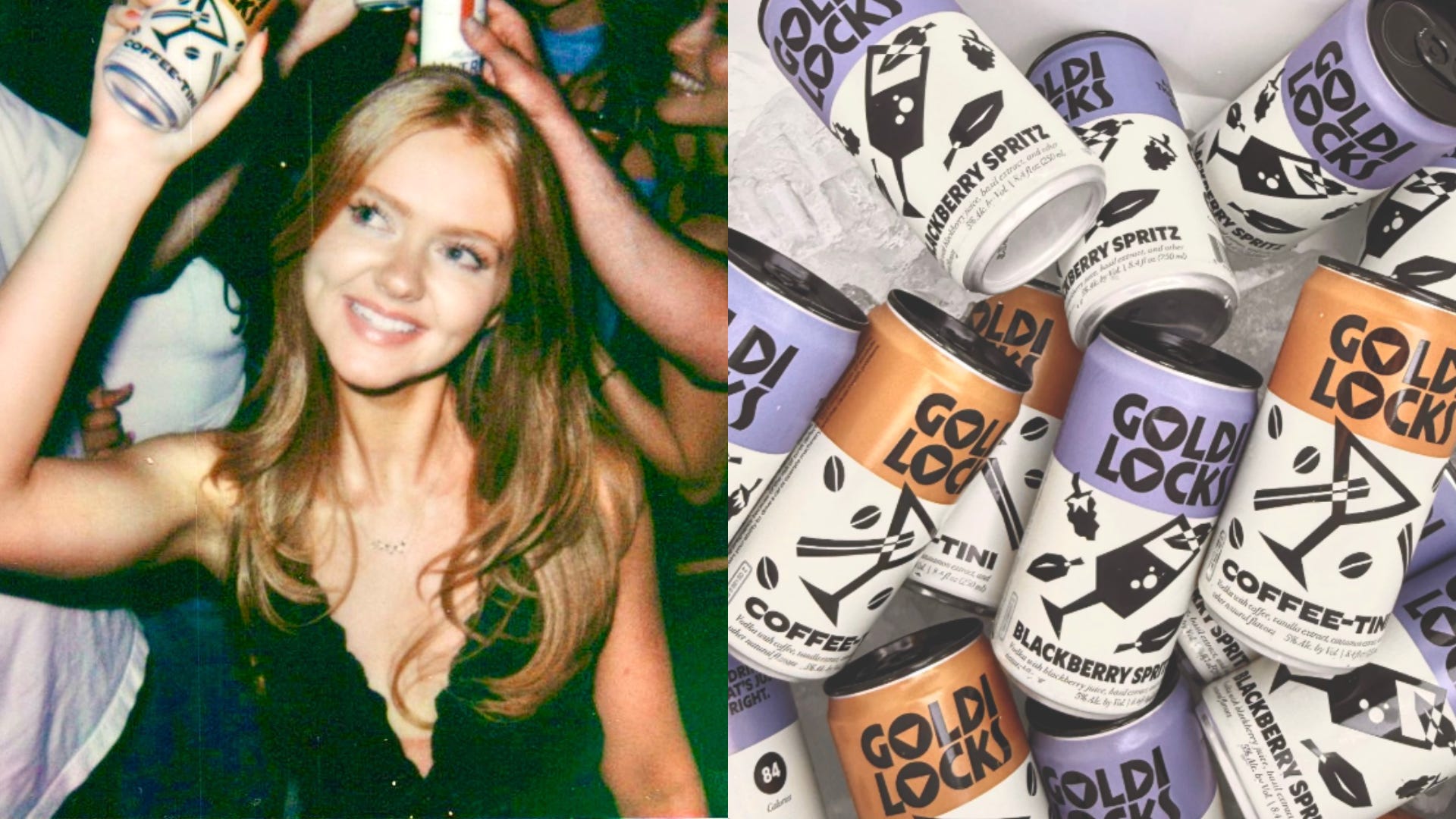
Before Goldilocks launched, Erin Barrett had already cleared two of the hardest hurdles for a CPG founder.
She raised capital without a product and landed a five-star New York hotel minibar the same week she launched. No velocity data. No retail history. Just a clear point of view and a founder who did her homework.
That early success wasn’t accidental. Drawing from her time at McKinsey, Erin treated launch like due diligence: she mapped the alcohol business end to end, spoke with more than 45 beverage manufacturers across the U.S., and pressure-tested costs, and timelines before pressing go.
The product followed the insight. Alcohol hadn’t evolved with the wellness movement. Cocktails were still sugar bombs. Better-for-you brands focused on not drinking at all.
The opportunity sat in the middle: people who still want to drink, just with more intention. Goldilocks is still early. But it’s also profitable.
00:13 - The mind behind Goldilocks
03:00 - Start from the ground up
06:56 - Drinks are on me
11:12 - Tinis can be tough
14:00 - A reason for the can season
16:29 - You start, then get ready
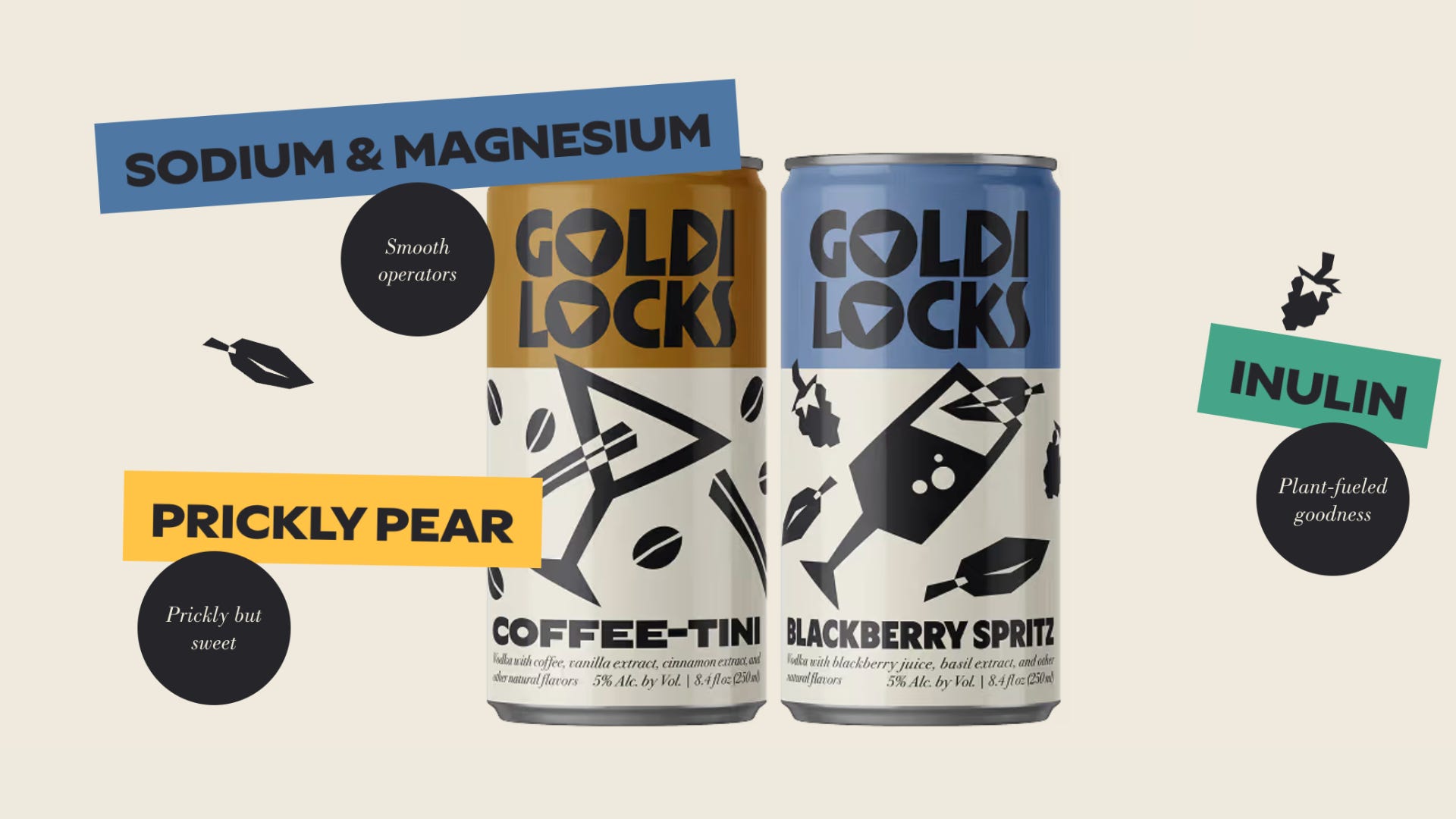
Not knowing is the most expensive mistake. Before pressing go, Erin ran Goldilocks like a McKinsey due diligence. She mapped every stakeholder, pressure-tested costs and timelines, and talked to more than 45 beverage manufacturers. “Some people might call it overkill,” she admits. “But when it was time, I had a clear roadmap laid out for me.”
Your best customer is the one who will actually pay. Goldilocks didn’t chase college students (they won’t spend). It didn’t go for older consumers (they liked the low-sugar pitch, but are set in their drinking habits). Erin chose young professionals instead: already spending on wellness, open to new brands, and willing to pay for a premium product without flinching.
Move before you feel ready. Before Goldilocks had even launched, Erin cold-emailed a five-star hotel she used to stay at as a consultant. “I felt like such an imposter. This brand hasn’t even launched yet. Why would they ever take this in? But they loved it.” Goldilocks landed in their minibars the same week it went to market.
Founder-led content is over-indexed. Founder content isn’t useless. It’s just wildly overestimated. “It’s a very saturated marketing strategy. I see higher ROI on LinkedIn posts,” says Erin, who gets tens to hundreds of thousands of views on LinkedIn. But she also knows content builds recognition, but doesn’t build not revenue.
Stay close to the bottom of the funnel. Erin doesn’t confuse interest with conversion. Social reach is nice, but in-store demos pay the bills. During launch last summer, she moved 4–6 cases per demo. Numbers that actually matter when distribution is limited. If you’re not in thousands of doors yet, top-of-funnel spend is a distraction. Optimize for the moment someone is already deciding to buy.
Market signal → The future of alcohol isn’t abstinence or excess. It’s discernment. Start with familiar formats, cleaner builds, and fewer tradeoffs.
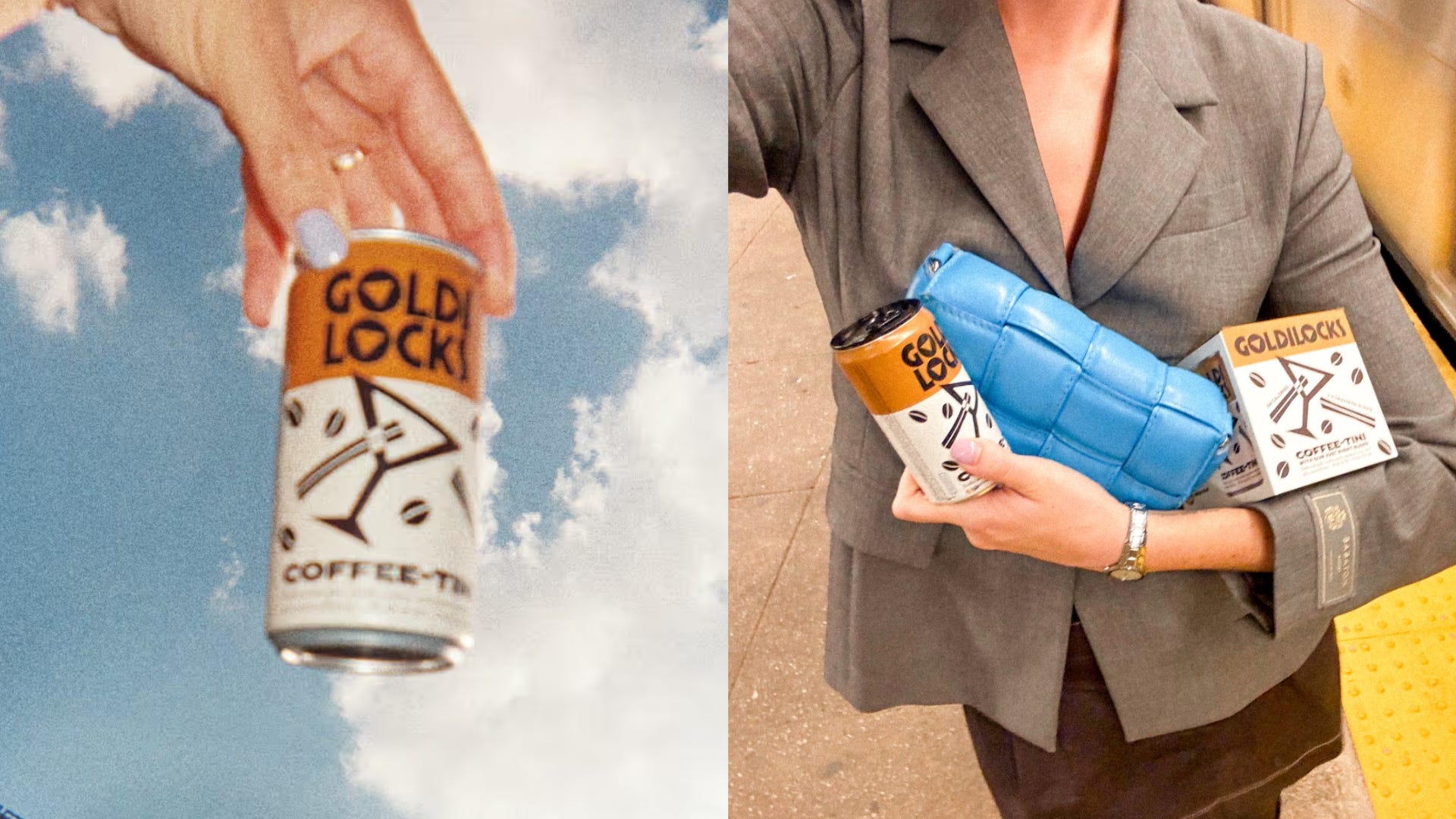
How much can you push?
The food industry can seem like a legacy system. The question isn’t can you change it. It’s how much can you change at once.
What are you changing?
1. Formula (ingredients, sugar, ABV)
2. Format (can size, pack, occasion)
3. Brand (tone, design, identity)
4. Channel (where it’s sold, how it’s found)
5. Price (relative to the category norm)
Now count them.
1–2 changes → low friction (safe to scale)
3 changes → doable, but expect education
4+ changes → you’re asking too much


