

What it takes to get press as an early CPG brand
with Daniel Modlin of One Five Collective

Everyone thinks they deserve press. Almost no one understands how to get it.
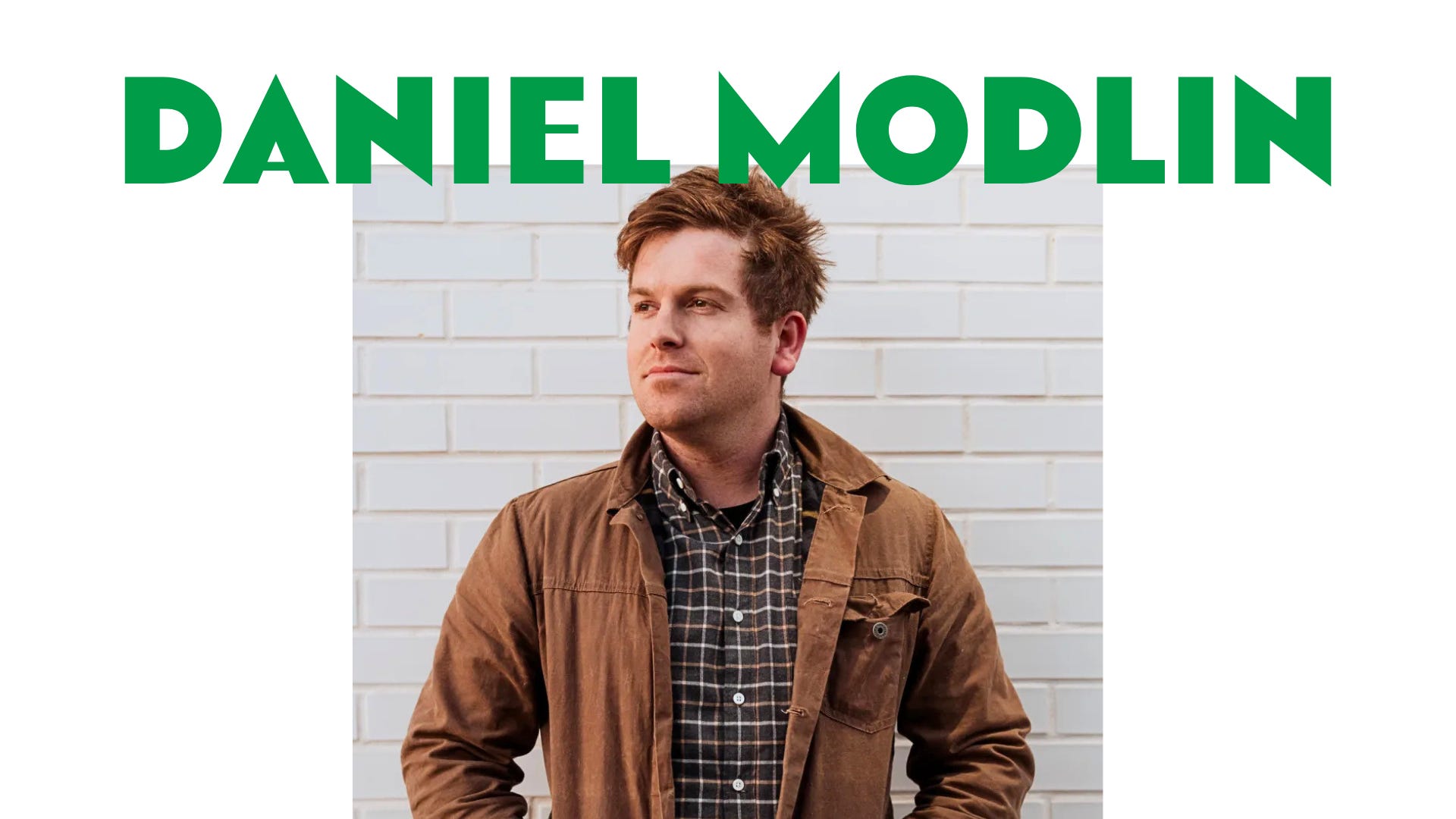
Daniel Modlin does. As the founder of One Five Collective and a former Senior Editor at Food & Wine (with bylines in The New York Times, The Wall Street Journal, and New York Magazine) he’s sat on both sides of the table. He’s been the one deciding what gets covered, and now he’s helping early-stage CPG brands earn that attention.
In this conversation, Daniel breaks down what editors are actually looking for, why affiliate networks matter more than your pitch deck, and what it actually takes to get covered.
What do founders get wrong about how media actually works?
The media is, in my opinion, a reflective bureaucracy. Everything these days (for better or worse) comes down to results: Page views, direct sales, clicks. Writers, no matter how passionate they are about a product, have to answer to someone, and that someone is typically a metric dashboard.
As I learn more about retail (I joke that two years ago, I knew nothing, and have had the privilege to absorb a lot of this stuff recently), I actually think the two are quite similar. It’s kind of like convincing a buyer to take a chance on you. You have to back it up with data and something that differentiates you.
And most of all, it takes time. I still have to remind myself of that one, too. I want things to happen as immediately as my founders do, but that is sadly, not how it works.
When a product lands on your desk, what’s the first thing you look for? What makes it actually interesting vs. just another new brand?
One of the biggest things I look for in a product, besides taste, is the founder story. Their path to creating this doesn’t have to be the story we lead with, but at the end of the day, they are ultimately the spokesperson and engine behind the brand. If there are points we can leverage from their journey, and reasons why this product is actually important to them, well then success is nearly guaranteed.
What’s the most common reason a brand doesn’t end up getting covered?
They aren’t on an affiliate network. And this can be because they don’t sell DTC or something like that, but it’s the most important thing I tell brands and the first step of every successful campaign. The publication needs to believe they have a chance of making money off of the article. Those are just the rules now.
Early brands don’t have a big budget or PR team. What can a scrappy founder do to get on a publisher’s radar?
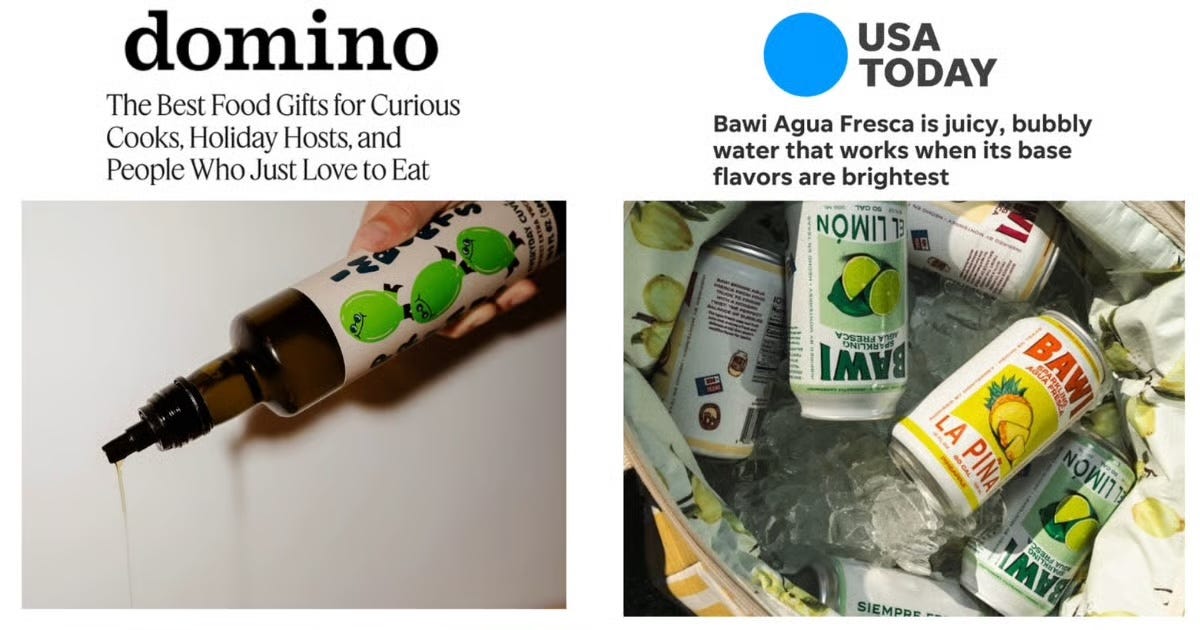
Honestly, the scrappiest thing you can do is just show up, whether its events, social media, building real relationships with editors before you ever need anything from them. Kiki Couchman at Sourmilk doesn’t have PR, and yet editors are talking about her. That’s not an accident, that’s hustle and a genuinely interesting product.
That said, this is partly why I started my company. I saw firms charging rates that made no sense for early-stage brands and wanted to build something more accessible. But I’m not the only solution.
What I’d tell anyone going the DIY route: Be selective, follow up, but not too much. And avoid any PR firm that guarantees coverage in a cold email to you. Nothing is ever guaranteed, and if someone’s promising it, that’s your first red flag.
The main moves: Lead with the actionable stuff, make the company mention feel more organic, and give the ending a sharper close.
Founders often think press will change their business overnight. What does good press actually do for a brand? And what doesn’t it do?
If you’re an emerging brand, there are certain outlets that genuinely will change your business overnight. Think: The Today Show, New York Times, the absolute grails. But more often than not, the products that end up in these outlets are not nascent emerging anymore, and so the effect is excellent, but not to the point where they are packing their own boxes for weeks to send out orders.
Good press is a build: You want to get to a point where you deserve to be in these outlets and are ready for them. That means hitting every stop along the way, building brand authority, making sales where it counts, and continuing to repeat your brand messaging. If you can create an echo chamber, and have several outlets say similar things at the same time, you have actually succeeded.
When you look at the current wave of CPG, what feels new or interesting to you? What are you tired of?
Protein. But what’s interesting about it is that a lot of brands are really starting to tell the story about where their protein comes from, which feels deeper and more important.
For example, TofuGo doing a protein bar concept with tofu protein, Loopini doing pizza with protein but from the lupini bean. That’s actually interesting to me, instead of say, ice cream with protein in it.
What are some of your favorite brand stories you’ve worked on?
I’ve worked with celebrities and athletes and all of that, but one of my favorite stories was getting Sophia Cheng at Oddball into The New York Times when she was just starting out. She was one of my first clients, and it was my first hit as a CPG publicist in the paper. What made it so special for me though, wasn’t that we got in, it was how. The column really hadn’t featured a lot of CPG founders, in fact, no one was looking there. I identified the opportunity, and it’s actually been fun to see larger brands like Little Spoon follow suit.
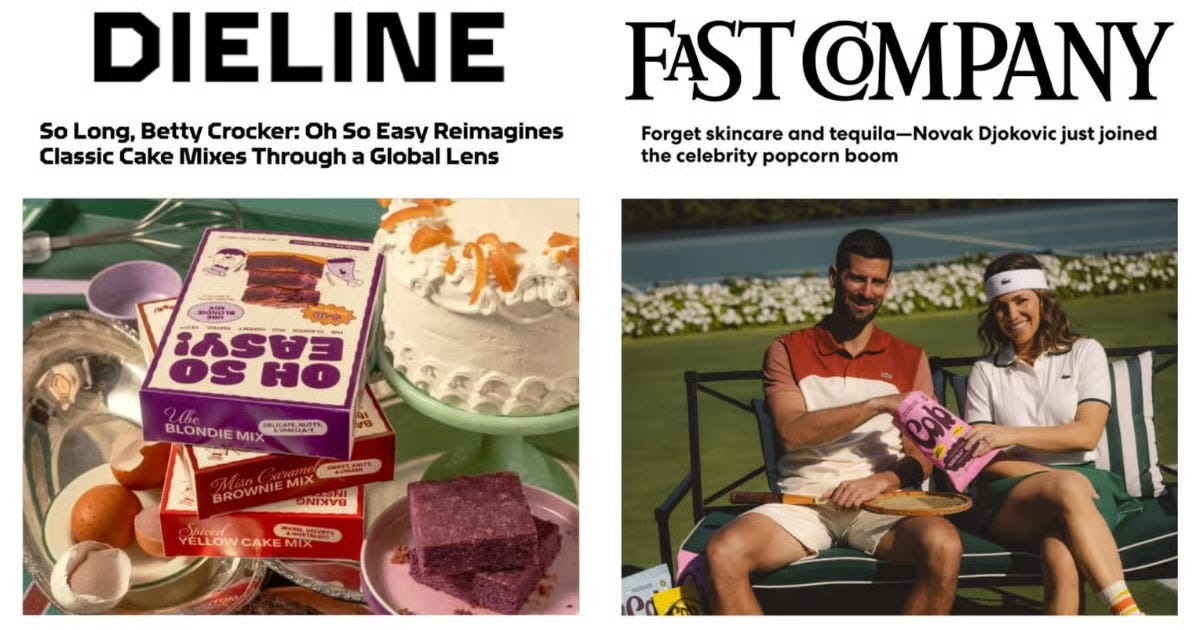
That was, naturally more difficult than say, getting Novak Djokovic Fast Co, but more rewarding and more affirming as a publicist. It feels like anyone can get a celebrity covered, but to get a small brand coverage really takes skill and insight into how the media operates.
Lastly, what’s your favorite CPG product to actually eat?
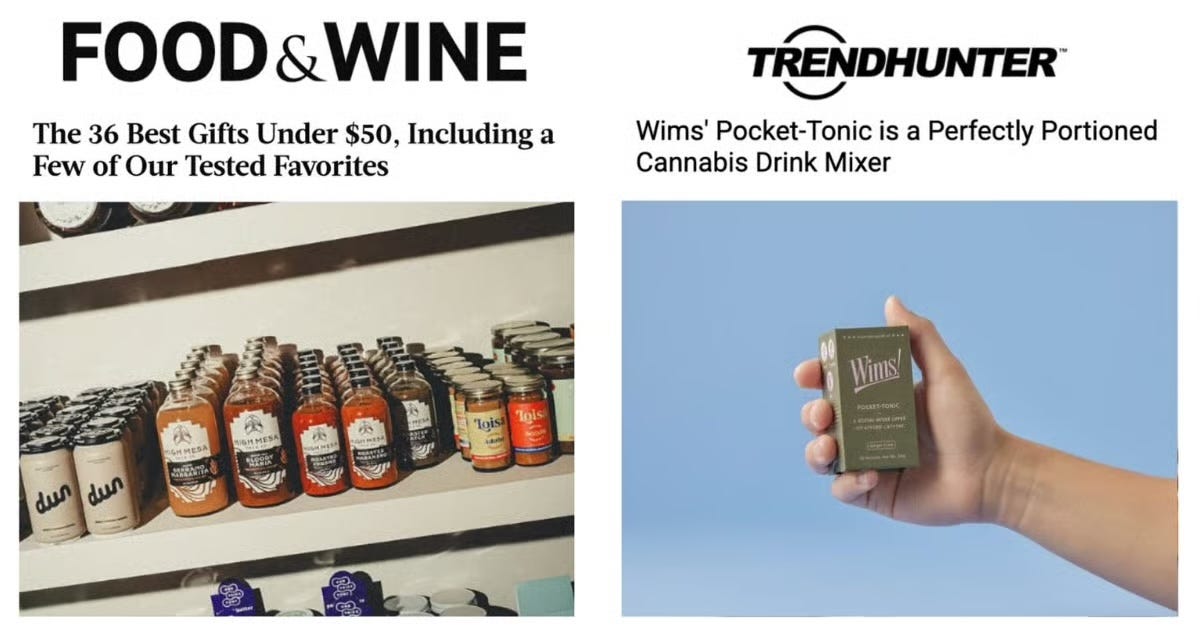
To drink, YuzuCo’s yuzu super juice. I literally have a tablespoon of it in my sparkling water every night. I’m worried it’s going to start hurting my teeth. I can’t stop.
To eat, the frozen aisle is really exciting for me, especially frozen dumplings. I’ve been a fan of MiLa for years, and Laoban is also crushing it. I am also obsessed with Rotten.