


Great products can get funded even before launch, but only if founders meet the key criteria.
Investors look for signals that a brand is truly differentiated, has a credible path to distribution, and is ready to scale.
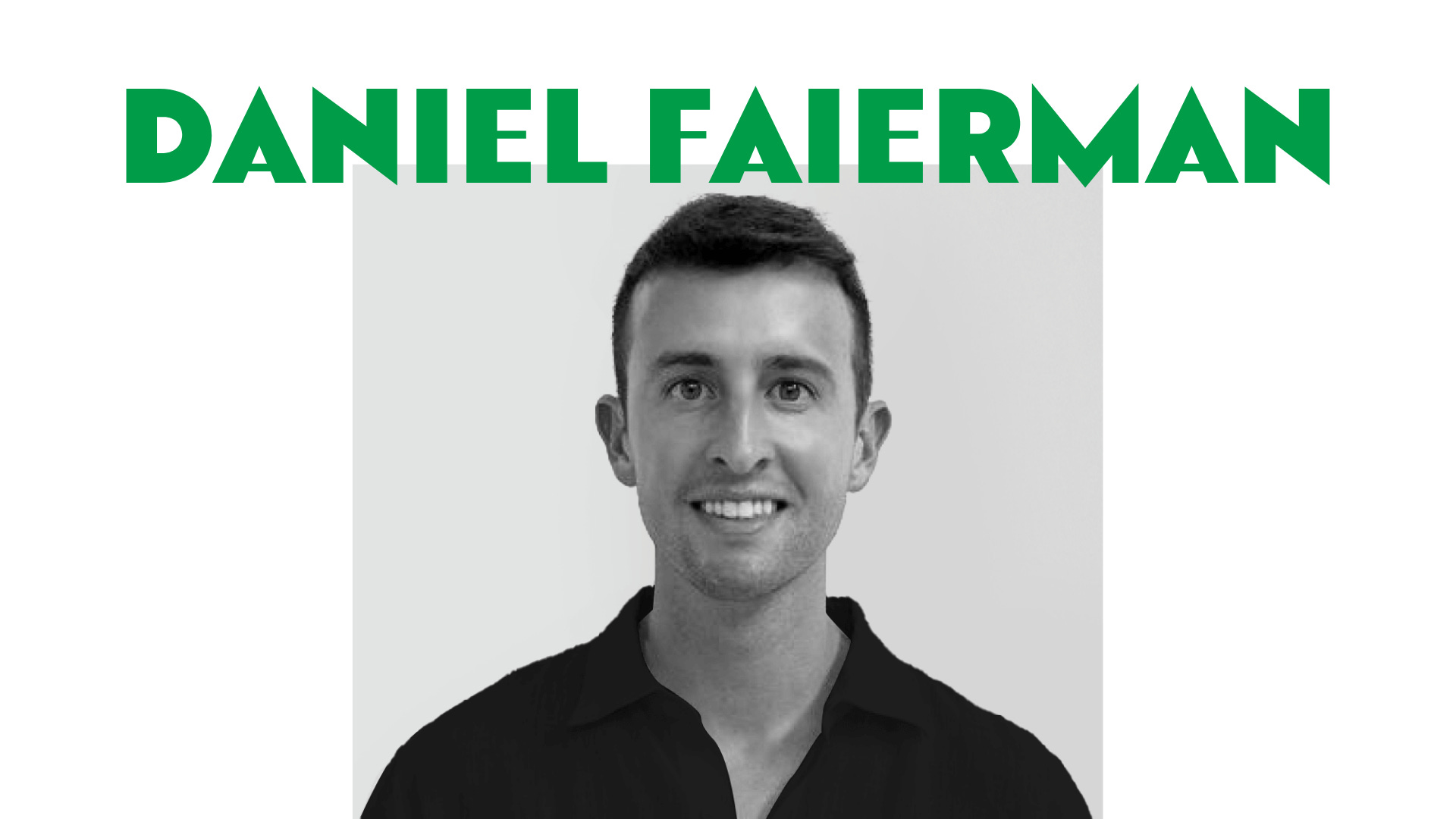
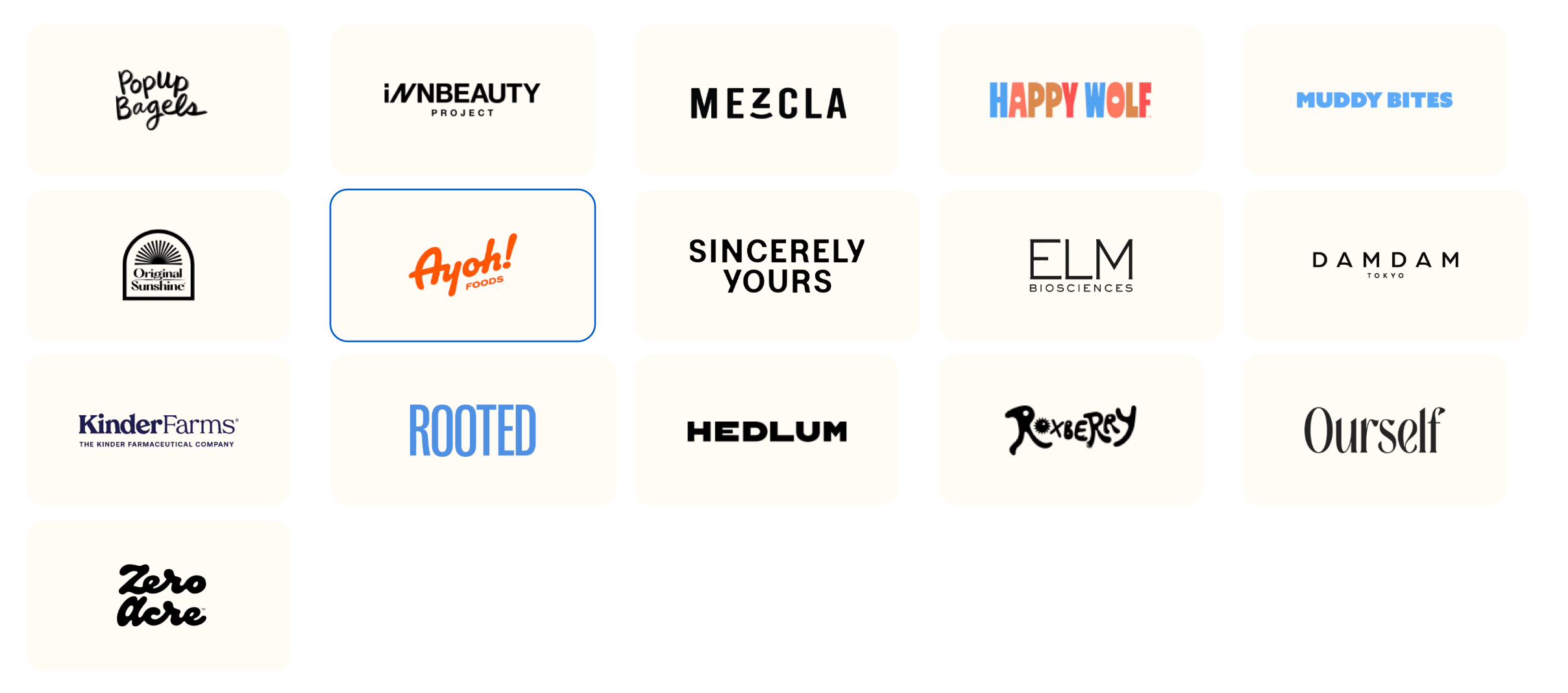
Daniel Faierman is a partner at Habitat Partners, which invests in early-stage CPG and consumer tech companies, like Popup Bagels, Ayoh! Foods, and Zero Acre. He also angel invests and runs occasional SPVs, with prior investments in Mid-Day Squares, Brightland, and Tiny Health.
Below, he explains how investors evaluate pre-seed CPG brands, what earns a second conversation, and which signals convince a fund a founder is worth backing.
00:13 - From D1 athlete to consumer VC
02:46 - What Habitat Partners invests in
05:41 - 6 criteria for pre-seed investments
08:22 - … and some more for post-launch
10:50 - You might not be ready for institutional investment
13:39 - What the best founders always do
16:37 - Why it’s easier than ever to start (but harder to win)
18:07 - Portfolio investments: Sincerely Yours and Ayoh!
Text answers below have been edited for length and clarity. Full answers are in video. (We highly recommend watching!)
How did you get into investing?
I’ve always been passionate about health and wellness. I grew up playing tennis in Southern California, ended up being recruited to Yale, and being a Division I athlete made me really curious about what I was consuming and how it affected performance.
Early in my career, I joined PepsiCo in corporate finance and M&A, then moved to Danone managing the Evian water business. My last operating role was at AB InBev in marketing, brand strategy, and innovation across Budweiser, Corona, Michelob Ultra, and Stella.
After business school, I wanted to join a fund with a strategy across both consumer products and B2B software. I met JB, Blake, and Emily at the end of 2021, and it was a great fit. I’ve been at the fund for about two years.
How did Habitat Partners get started?
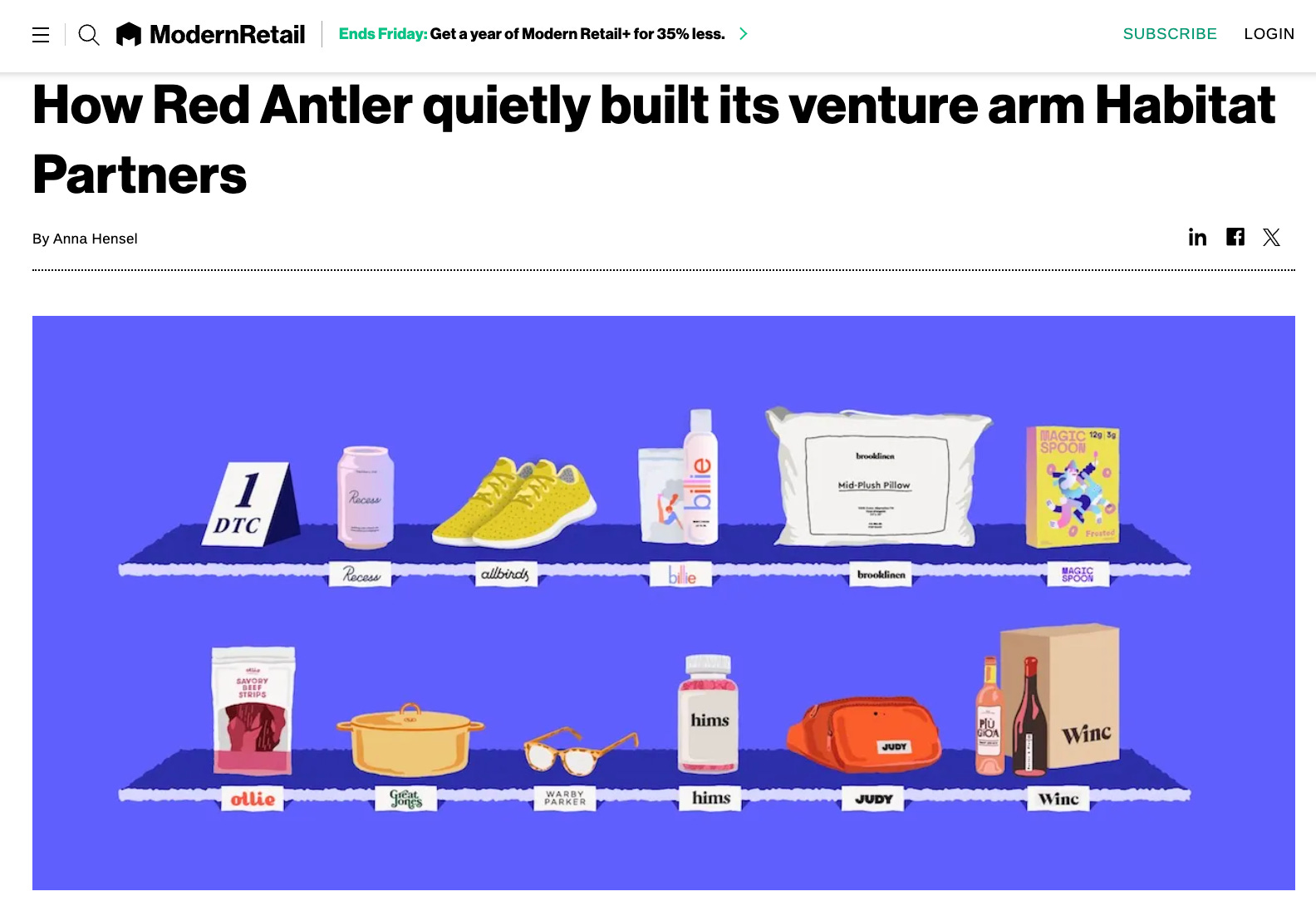
Habitat was founded in 2021, but the story goes back to 2007. JB Osborne and Emily Hay started Red Antler, the leading creative agency for startups. Early on, they took equity in Behance in exchange for services, which paid off with the Adobe acquisition.
They always planned to build a VC fund. In 2019 they brought in Blake Lyon from Lerer Hippeau to invest ~$100k checks off the Red Antler balance sheet. Over time, we were invited into more deals, built enough traction, and raised our own independent venture fund, Habitat Partners. We invest $250–750k, mostly pre-seed and seed, roughly 70/30 seed.
What makes investing in food and beverage CPG different?
The thing with the food and beverage side is you have to worry a lot about gross margin in the early days. Every unit has real variable cost. Even pre-launch, we can audit manufacturing quotes, volume tiers, and cost per unit, then back into landed gross margin based on pricing.
Traction expectations are also higher. A tech company doing $1M ARR might be valued in the 20s; a CPG brand at $1M ARR would struggle to get a valuation over 10. That’s because CPG exits are smaller compared to tech.
I probably see 40 food and beverage opportunities a week across email, LinkedIn, and texts, but I’ll only take around five first calls. The first thing I ask is whether the product solves a real problem and has true differentiation.
How do you decide whether a company’s worth investing in?
I like to think about it like pre-revenue criteria and post-revenue criteria because they’re very different. And I’ll preface this by saying of these criteria, usually brands check off four to five of them.
There are six variables that we look at for pre-launch ideas.
Founder moat. We often like to back founders who either have extensive relevant operating experience in the category that they’re building in.
Distribution moat. We love to see products that have some kind of inherent distribution channel already built into the go-to-market plan before they launch. Celebrities and influencers inherently have a pretty strong distribution channel just through their social media following, which boosts DTC sales.
Product moat. This is the hardest thing to have in CPG. It’s having IP or defensibility surrounding your formulations. It’s a big plus because brands that have genuine defensibility within their product formulations are more likely to be attractive to an acquirer in the long term.
Gross margin. Given the variable costs associated with inventory, you want to be able to drop as high a proportion of revenue into the gross profit line for every single unit that you sell, aka gross margin. Overall, north of 30% is ideal.
Valuation. For a pre-launch concept, we’re usually anchoring around $5 million in valuation.
Differentiation. How do you position yourself within the competitive landscape to drive differentiation amongst the competitive peer set?
If we’re looking at a post-launch business valuation, I would just say there’s a few more KPIs that you open yourself up to.
Capital efficiency (burn per revenue dollar)
Marketing efficiency ratio (aim for 3x)
Retail velocities (units per store per week)
DTC retention and cohort data, especially power buyers
Pack price architecture (margin must translate to retail)
Retailer mix (traction in conventional and channel retailers, not just Whole Foods)
What goes on between an intro call and writing the check?
We can move very quickly because there’s only really two of us. Typically, each of us are having first calls with the founder independently throughout a week.
If we find it interesting enough, we’ll bring each other into a second call. And then after that second call, we’ll work on the opportunity for a week if we think it’s interesting enough. We’re doing the diligence work. We’ve asked for the data room. We’re doing a competitive landscape analysis. We’re doing financial due diligence.
And then once we’ve landed on our diligence findings, we’ll do a third group call where we’ll get our questions answered. After that third call, we’re able to go back and put pen to paper. How satisfied we are with the answers? How satisfied we are with balancing the reward potential of the investment and the risk potential of the investment?
We can usually make a decision after that.
What are some red flags that make an investment unattractive?
First, I want to feel like the founder still has a solid portion of the business pre- and post-close of the fundraise. We want them to have an equity position where scaling to an exit is really attractive for them and they’re committed.
Number two is not raising enough money. The worst thing that can happen to me as a fund manager is if I invest in a business and six months after closing, they’re already running out of money. I have to figure out how to get them to raise when they haven’t seen that much material traction since we invested the first time.
While I prefer the round size isn’t massive, it needs to be sizable enough where there’s ideally 18-24 months of runway minimum. I’d rather there be a lot of cushion because I think people overestimate how well things are going to go and underestimate how hard things are.
When should a founder consider raising institutional funding?
If you’re not hitting four to five of the pre-launch criteria I mentioned before, you’re much better off spent over-indexing your time with angels and family offices and trying to bring in that kind of money first. So you can at least come to institutional investors with some kind of traction.
I’ve seen some founders do an incredible job just being really capital efficient and scrappy for the first year and a half of a family and friend money. And then in doing so and not burning much money, even though they’re growing slower, they reach a point where they’re at a couple million dollars in revenue. And they’re really ready to have these conversations with the institutions.
What brand stands out as truly differentiated?
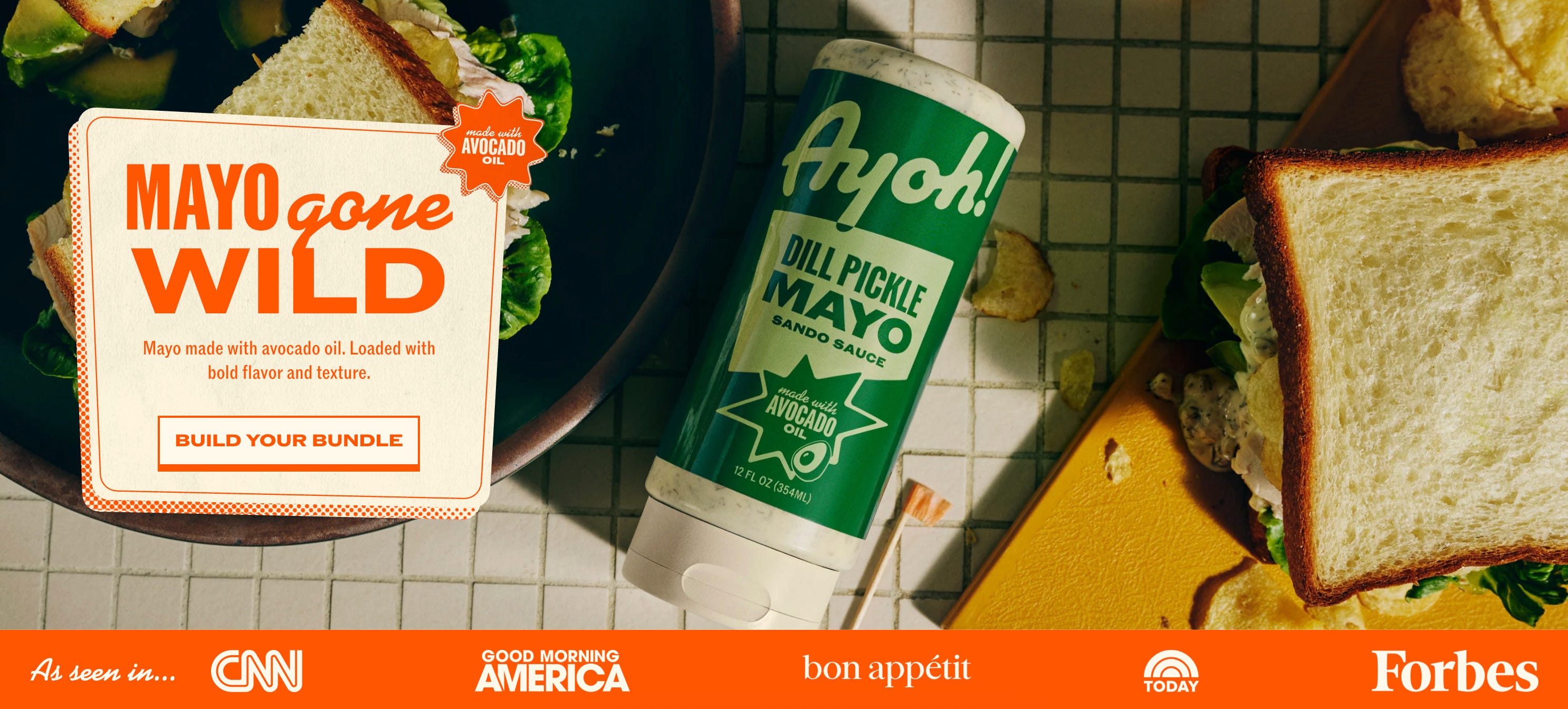
There’s a business we invested in called Ayoh! Foods, which is a flavored mayonnaise. Within the mayonnaise category, there is very minimal historical innovation. We had seen Sir Kensington’s, we had seen New Primal, but for the most part, there wasn’t really a brand that was like reimagining what a sandwich could look like.
We felt like Ayoh! had the right to do that with the way that they’re positioning the brand and the flavor innovation. And obviously we loved the team as well and all the other aspects of the business. Mayonnaise is inherently kind of boring, and we felt confident they would bring people back into the category and capture existing mayonnaise buyers with something that was unique, different, and innovative.
What does a successful founder–investor relationship look like?
I have one founder right now who’s raising capital, who I’m talking to every 48 hours and making intros to for their fundraisers. I have another founder who’s not raising, but really trying to scale their ARR. In that case, I’ve been helping them with go to market strategy and making customer intros so they can grow their business as rapidly as possible.
This is an interesting piece of advice, but I find that when founders know their business cold and are able to respond to our diligence questions pretty quickly, it’s a good sign in terms of the way that they’re going to run their businesses and communicate post-investment.
It’s very easy to communicate when things are going well. It’s much harder when things aren’t going well. We also have to understand that as venture investors, especially early-stage venture investors, a huge portion of our investments are gonna go to zero. And if we didn’t believe that was true, then we be an early-stage venture. We don’t really understand how it works.
Every founder has different needs. Some founders just need capital and don't necessarily need a ton of advisory. We want to work with founders to the extent that they want to work with us.
Any last thoughts on the food+bev CPG space?
There’s this weird bifurcation in the market. It feels like it’s never been easier to start a company, given the fact that Shopify exists and there are a lot of co-manufacturers more willing to work with small brands. And with AI, you can do a lot of creative work at a very low cost.
Conversely, it’s never been harder to stand out on shelf and garner the attention of consumers, whether that’s on a shelf or online through social. It’s just very hard to stand out. And so I think you just have to feel really, really confident that you’re solving something that’s truly untapped and differentiated compared to what’s out there.
There should be some real work done on trying to figure out how big that bubble really is. And it’s not just how big it is from a TAM perspective, but also how many people have tried to solve this already. And if you really are confident that you have 10x differentiation and a pricing structure that gets your product to shelf in a way that is gross margin attractive, I think maybe you have something there.


