


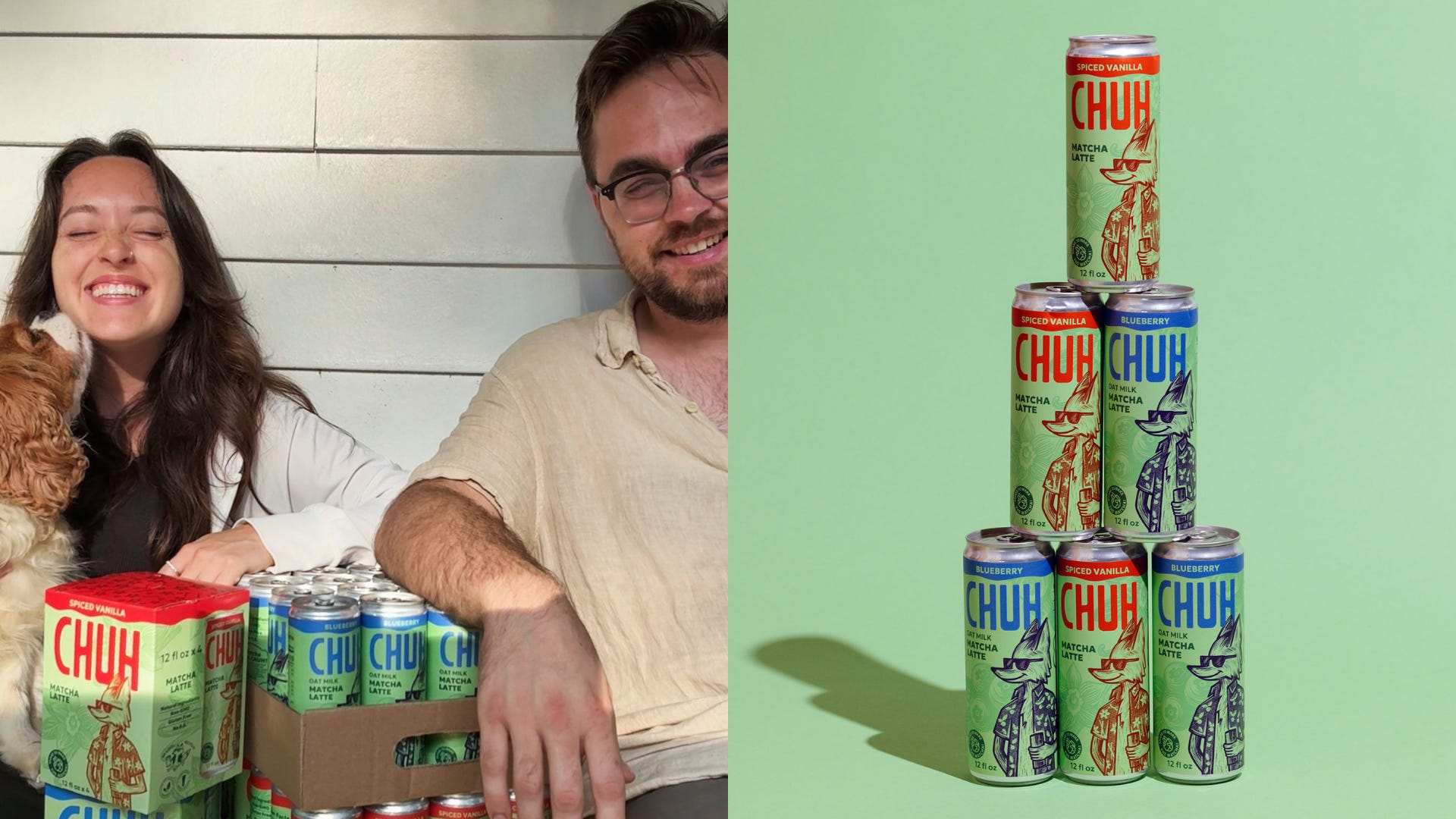
Meet Andrew Schundler, co-founder of CHUH Matcha. Two years ago, he was producing commercials and documentaries. Today he’s running a canned matcha brand sold across 135 independent retailers in Maine and New England.
The idea came when he broke up with coffee. “Even just one cup a day would give me jitters. And if I didn’t have that one cup, I’d be like in a coma by noon,” he says. On the search for a better option, he landed on matcha. Steady energy. No crash. He loved it.
What he didn’t love was the cold case options: hyper-caffeinated energy drinks on one side, sugary bottled coffees on the other. Not much in between.
So he and his wife Chloe made one. A flavor-forward matcha latte you can grab on the go. It’s been eight months since launch, and they’re already preparing for a national rollout. Here’s how they did it.
00:15 - The mind behind CHUH
02:17 - Matcha do about flavor
04:48 - 6,000 cans and a leap of faith
07:21 - Bootstrapping a beverage
09:34 - The Maine method
17:53 - Economics of a $4.99 can
15:26 - Making the cold case for matcha
18:24 - Where the decisions are made
$50,000: Total initial investment (formula, production, packaging, etc.)
6,000 cans: First production run (3,000 blueberry, 3,000 spice vanilla)
135 stores: Retail accounts reached within the first 7 months
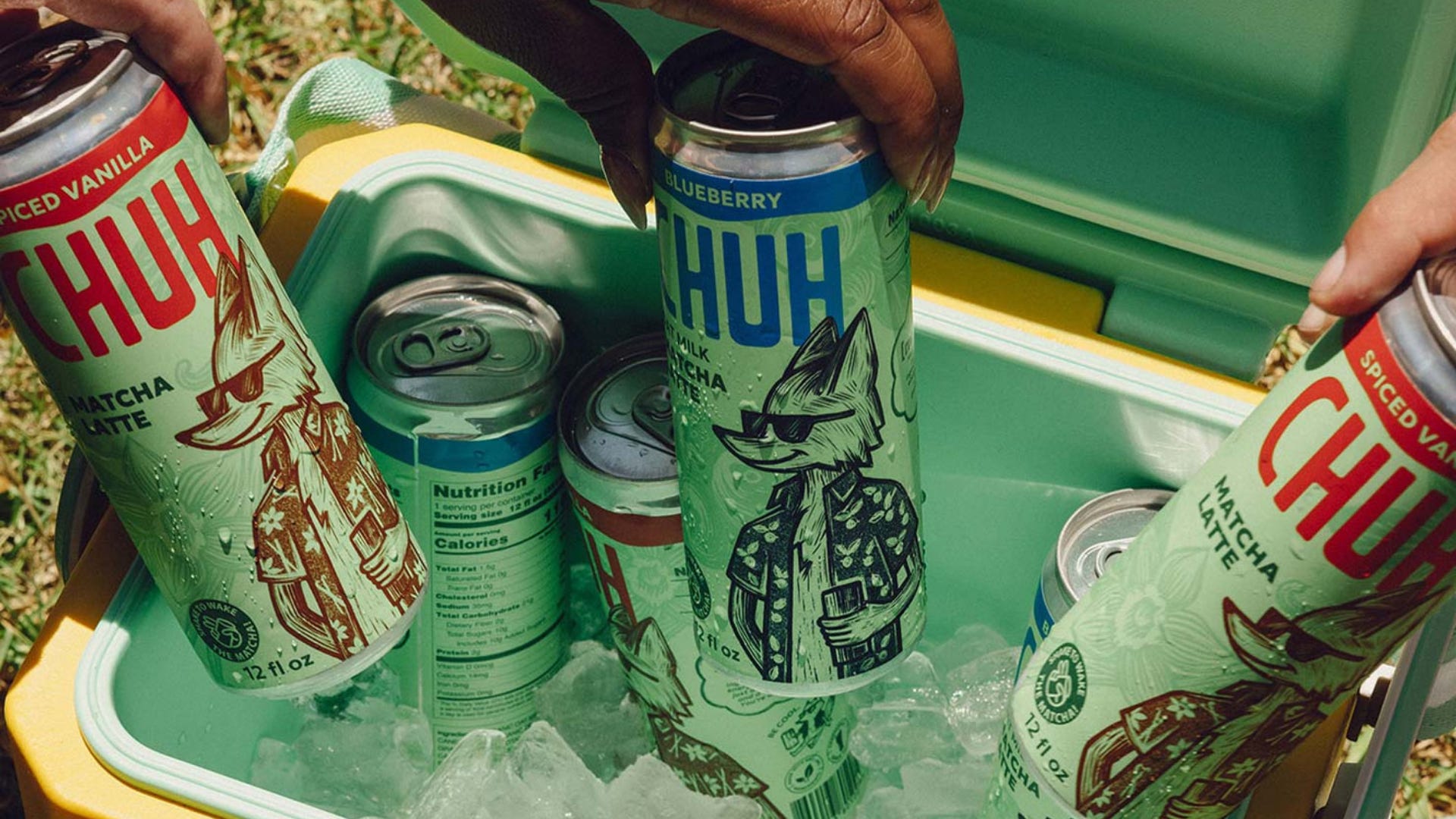
Beverages sell in refrigerators, not browsers. Andrew assumed CHUH would sell four-packs on its website. It didn’t. Canned drinks are grab-and-go decisions made at a cold case, not considered online purchases. He pivoted quickly and sees most success in retail, office complexes, and food service.
Price for the shelf, not your spreadsheet. Start with a price your consumers will buy and your retailers can run promotions on. Too high and it never leaves the shelf. Too low and you can’t discount. CHUH landed on $4.99, even when early margins were closer to 20%. Pricing to hit 40% margins would have pushed the drink to $6.99. As volume grew, margins caught up.
Warm the room before you pitch it. Retail buyers say yes faster to people they already know. Before they had a single can to sell, Andrew and Chloe visited local retailers just to talk: What do they look for? How does it work? A disarmingly simple move most founders skip because they’re too eager to pitch. When they returned with product, it was an easy yes.
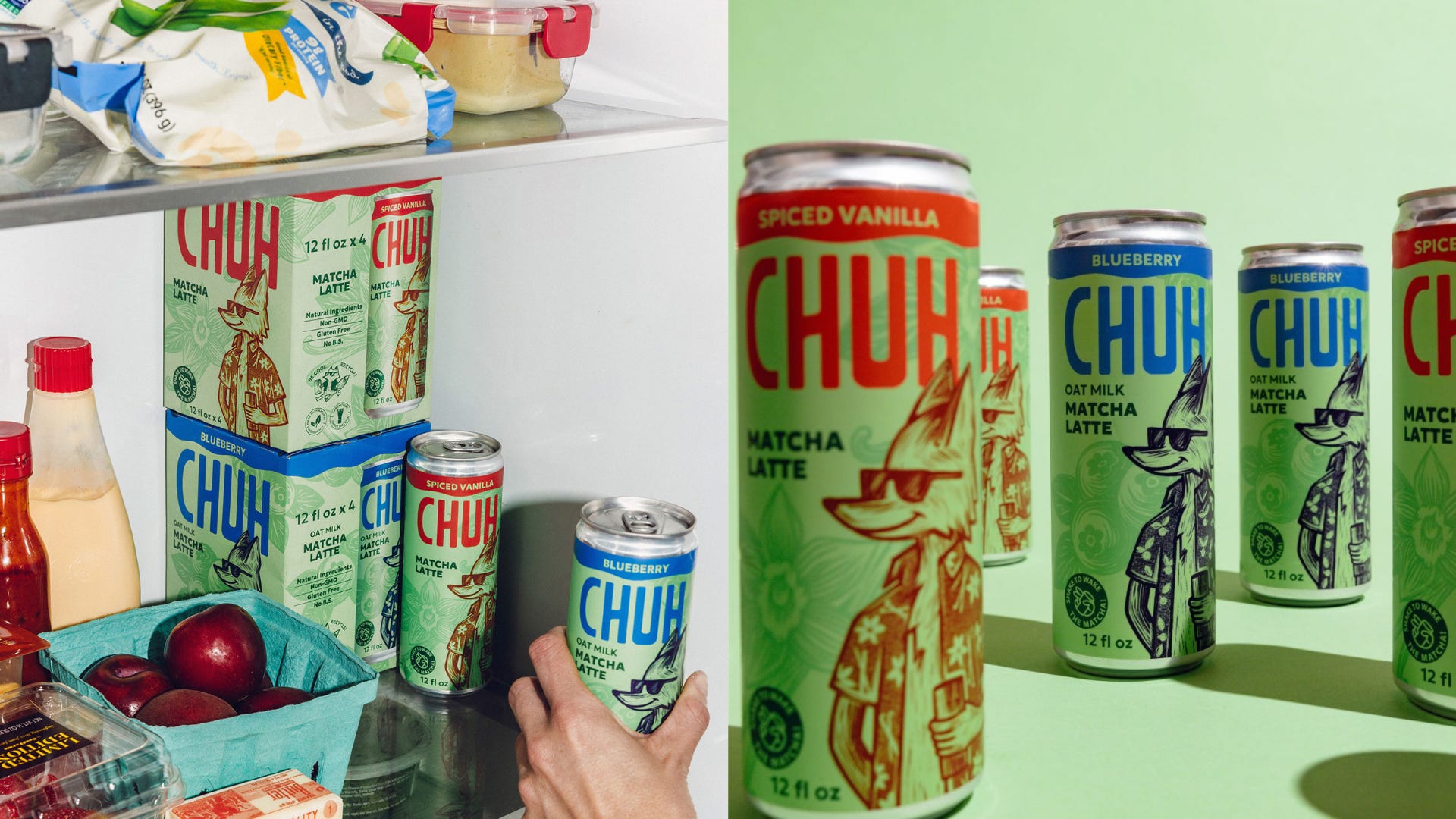
One SKU doesn’t make a brand block. One product on a shelf disappears. Two or three creates a brand block buyers can actually see. CHUH launched with blueberry and spice vanilla to help stand out in the cold case… and they’re quickly rolling out more SKUs. Shelf space is visual real estate. One can doesn’t buy much of it.
Follow up more often than feels reasonable. Andrew emailed one buyer in September. Then October. November. December. January. The reply came in February. “He’s like, yeah, sounds good. As if I hadn’t emailed him six times,” Andrew says. Track every contact, follow up on a schedule, and don’t stop. Buyers are managing hundreds of vendors. Silence usually means busy, not no.
Market signal → Cafés built the matcha habit. RTD brands are scaling it. Just as cold brew did for coffee and kombucha did for fermentation, canned drinks are now doing for matcha.
The retail shelf-life rule
Before every production run, work backwards from what retailers require.
1. Start with the retailer: Most retailers want 70–80% of shelf life remaining when product arrives. If your drink has a 12-month shelf life, you effectively have ~9 months to sell it.
2. Subtract logistics: Co-packer lead time, distributor pickup, and warehouse time usually take 2–3 months. Now your real selling window is 6–7 months.
3. Multiply by velocity: Stores × units per store per week × weeks in your window = units you can move.
If that number is bigger than your run size, you can scale up. If it’s smaller, run less.


